
The Most Sustainable Farming Practices
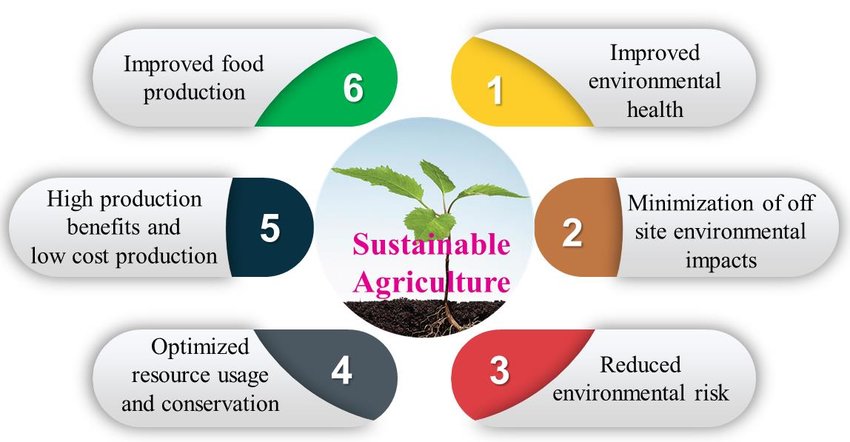
Sustainable farming practices are essential for preserving the environment, promoting biodiversity, and ensuring the long-term viability of agriculture. By adopting sustainable methods, farmers can reduce their environmental impact, conserve natural resources, and improve the overall health of their land. Here are some of the most effective sustainable farming practices:
Crop Rotation
Crop rotation involves planting different crops in a specific sequence on the same piece of land. This practice helps to maintain soil fertility, reduce pest and disease pressure, and improve crop yields. By rotating crops, farmers can prevent soil depletion and enhance biodiversity on their farms.
Cover Cropping
Cover cropping involves planting non-cash crops during fallow periods to protect and enrich the soil. Cover crops help to prevent erosion, suppress weeds, improve soil structure, and enhance nutrient cycling. They also provide habitat for beneficial insects and microorganisms.
Agroforestry
Agroforestry combines trees and shrubs with crops or livestock to create a more diverse and resilient farming system. Trees provide shade, windbreaks, and erosion control while also sequestering carbon dioxide from the atmosphere. Agroforestry systems promote biodiversity and enhance ecosystem services.
Integrated Pest Management (IPM)
Integrated Pest Management is a holistic approach to pest control that combines biological, cultural, physical, and chemical methods to manage pests effectively while minimising environmental impact. By using IPM strategies, farmers can reduce reliance on synthetic pesticides and promote natural pest predators.
Water Conservation Techniques
Water is a precious resource in agriculture, and sustainable farmers employ various techniques to conserve water on their farms. These techniques include drip irrigation systems, rainwater harvesting, mulching, contour ploughing, and water-efficient crop selection. By conserving water resources, farmers can mitigate drought risks and protect aquatic ecosystems.
In conclusion, adopting sustainable farming practices is crucial for building resilient agricultural systems that can thrive in a changing climate while preserving natural resources for future generations. By implementing these practices on a global scale, we can create a more sustainable food system that benefits both people and the planet.
Exploring Sustainable Farming Practices: FAQs on Methods, Principles, and Global Leaders
- What are the sustainable agriculture practices?
- What are the 3 P’s of sustainable agriculture?
- Which country has the most sustainable farming practices?
- What is the most sustainable method of farming?
- What is the new farming method?
- Which farming method is the most sustainable?
- What is good farming method?
What are the sustainable agriculture practices?
Sustainable agriculture practices encompass a range of methods that aim to minimise environmental impact, promote biodiversity, and ensure the long-term viability of farming. These practices include crop rotation, cover cropping, agroforestry, integrated pest management (IPM), and water conservation techniques. By implementing sustainable agriculture practices, farmers can maintain soil health, reduce reliance on synthetic inputs, conserve natural resources, and support ecosystem resilience. Embracing these methods not only benefits the environment but also contributes to the creation of a more sustainable and resilient food production system for future generations.
What are the 3 P’s of sustainable agriculture?
The three P’s of sustainable agriculture are often referred to as People, Planet, and Profit. These principles encapsulate the core values of sustainable farming practices. “People” emphasises the importance of social equity, community involvement, and fair labour practices in agriculture. “Planet” focuses on environmental stewardship, conservation of natural resources, and biodiversity preservation. Lastly, “Profit” highlights the economic viability and long-term success of farming operations while considering the well-being of both present and future generations. By incorporating the three P’s into agricultural practices, farmers can create a balanced and sustainable approach that benefits society, the environment, and the economy.
Which country has the most sustainable farming practices?
The question of which country has the most sustainable farming practices is a complex one, as sustainability in agriculture is influenced by a variety of factors including environmental policies, technological advancements, cultural practices, and agricultural traditions. Several countries around the world have made significant strides towards implementing sustainable farming practices. Countries like Denmark, the Netherlands, and Sweden are often recognised for their innovative approaches to sustainable agriculture, including organic farming methods, precision agriculture techniques, and strong support for agroecology. However, sustainability in farming is not solely determined by individual countries but rather by a collective global effort to promote environmentally-friendly practices that benefit both farmers and the planet.
What is the most sustainable method of farming?
When considering the most sustainable method of farming, it is essential to recognise that a combination of practices is often needed to achieve true sustainability. However, some key principles can guide farmers towards more sustainable farming systems. Practices such as crop rotation, cover cropping, agroforestry, integrated pest management (IPM), and water conservation techniques are commonly cited as highly sustainable methods. By integrating these practices into their operations, farmers can promote soil health, biodiversity, water efficiency, and overall environmental resilience. Ultimately, the most sustainable method of farming is one that prioritises long-term environmental stewardship while maintaining productivity and supporting the well-being of both people and the planet.
What is the new farming method?
The new farming method that is gaining popularity for its sustainable practices is regenerative agriculture. Regenerative agriculture focuses on restoring and improving the health of the soil, enhancing biodiversity, and reducing reliance on external inputs. By incorporating techniques such as minimal tillage, cover cropping, crop rotation, and holistic grazing management, regenerative agriculture aims to build healthy and resilient agroecosystems. This approach not only helps to sequester carbon dioxide from the atmosphere but also promotes soil fertility, water retention, and overall ecosystem health. Regenerative agriculture represents a shift towards more holistic and environmentally friendly farming practices that benefit both farmers and the environment in the long term.
Which farming method is the most sustainable?
When considering the question of which farming method is the most sustainable, it is important to recognise that sustainability in agriculture is a multifaceted concept that encompasses environmental, social, and economic considerations. There is no one-size-fits-all answer to this question, as different farming methods may be more suitable depending on factors such as climate, soil type, crop varieties, and local resources. However, agroecological approaches that promote biodiversity, soil health, water conservation, and ecosystem resilience are generally considered among the most sustainable farming practices. By integrating diverse crops, livestock, and natural elements into agricultural systems, farmers can enhance productivity while minimising negative impacts on the environment. Ultimately, a combination of sustainable practices tailored to specific contexts is key to achieving long-term agricultural sustainability.
What is good farming method?
A good farming method encompasses sustainable practices that promote environmental stewardship, social responsibility, and economic viability. It involves techniques such as crop rotation, cover cropping, agroforestry, integrated pest management (IPM), and water conservation to maintain soil health, biodiversity, and ecosystem balance. By adopting these methods, farmers can enhance the resilience of their farms, reduce reliance on synthetic inputs, minimise environmental impact, and ensure long-term productivity. Good farming methods not only benefit the land and surrounding ecosystems but also contribute to sustainable food production and a healthier planet for future generations.