
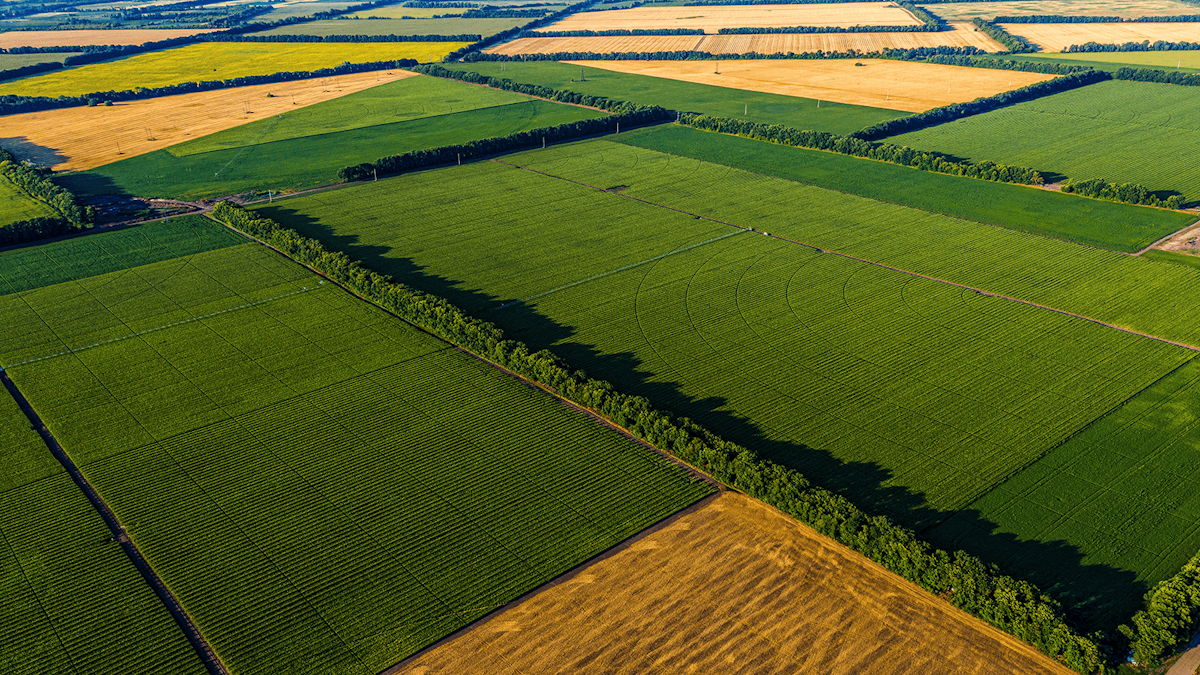
Crop Production Course: Enhancing Agricultural Skills
Are you looking to deepen your knowledge and skills in crop production? Enrolling in a crop production course can be the key to unlocking a successful career in agriculture. These courses are designed to provide participants with a comprehensive understanding of crop cultivation, management practices, and the latest agricultural technologies.
Why Choose a Crop Production Course?
By taking a crop production course, you will gain valuable insights into various aspects of farming, including soil preparation, planting techniques, pest and disease management, irrigation systems, and harvesting methods. You will learn how to maximise crop yields while minimising environmental impact through sustainable farming practices.
Benefits of Enrolling in a Crop Production Course:
- Acquire practical skills in crop cultivation and management
- Learn about the latest trends and technologies in agriculture
- Understand sustainable farming practices for long-term success
- Enhance your career prospects in the agricultural industry
- Network with industry experts and fellow enthusiasts
Course Curriculum:
The curriculum of a typical crop production course covers a wide range of topics, including:
- Introduction to Crop Science
- Crop Selection and Planning
- Soil Health and Fertility Management
- Pest and Disease Control
- Irrigation Techniques
- Harvesting and Post-Harvest Handling
Join a Crop Production Course Today!
Whether you are an experienced farmer looking to expand your skills or someone interested in starting a career in agriculture, a crop production course can provide you with the knowledge and tools needed to succeed. Take the first step towards enhancing your agricultural expertise by enrolling in a crop production course today!
Understanding Crop Production Courses: Curriculum, Benefits, Prerequisites, Career Prospects, and Practical Training
- What is covered in a typical crop production course curriculum?
- How can a crop production course benefit me as a farmer?
- Are there any prerequisites for enrolling in a crop production course?
- What are the career prospects after completing a crop production course?
- Is hands-on practical training included in a crop production course?
What is covered in a typical crop production course curriculum?
In a typical crop production course curriculum, participants can expect to delve into a wide array of essential topics related to farming practices. This may include an introduction to the fundamental principles of crop science, guidance on crop selection and planning strategies, insights into maintaining soil health and fertility, methods for effective pest and disease control, various irrigation techniques for optimal water management, as well as learning about harvesting methods and post-harvest handling procedures. By exploring these key areas, individuals can acquire a comprehensive understanding of crop cultivation and management practices essential for success in the agricultural industry.
How can a crop production course benefit me as a farmer?
Enrolling in a crop production course can offer significant benefits to farmers by enhancing their agricultural knowledge and skills. By participating in such a course, farmers can gain valuable insights into modern farming practices, sustainable techniques, and the latest advancements in crop production. This education equips farmers with the tools to improve crop yields, maximise efficiency, and effectively manage resources like soil health, water usage, and pest control. Additionally, a crop production course can broaden farmers’ understanding of market trends, consumer demands, and regulatory requirements, enabling them to make informed decisions that contribute to long-term success and sustainability in their farming operations.
Are there any prerequisites for enrolling in a crop production course?
For those considering enrolling in a crop production course, it is common to wonder about the prerequisites required for participation. While specific requirements may vary depending on the institution or programme, many crop production courses do not have strict prerequisites. Typically, individuals with a passion for agriculture and a keen interest in learning about crop cultivation are welcome to join these courses. Whether you are a seasoned farmer looking to enhance your skills or a newcomer eager to explore the world of agriculture, a crop production course can offer valuable insights and practical knowledge to help you succeed in the field.
What are the career prospects after completing a crop production course?
Completing a crop production course opens up a wide range of promising career prospects in the agricultural industry. Graduates can pursue opportunities as crop consultants, farm managers, agricultural researchers, agronomists, or even start their own farming ventures. With the knowledge and skills acquired during the course, individuals are equipped to contribute to sustainable farming practices, increase crop yields, and address challenges in food production. The demand for skilled professionals in crop production is high, making it a rewarding field with ample opportunities for growth and development.
Is hands-on practical training included in a crop production course?
Hands-on practical training is often a fundamental component of a crop production course. Participants can expect to engage in fieldwork and practical exercises that complement theoretical learning. This hands-on experience allows students to apply their knowledge in real-world agricultural settings, gaining valuable skills in crop cultivation, management, and problem-solving. By actively participating in practical training sessions, individuals can enhance their understanding of crop production practices and develop the necessary expertise to excel in the field of agriculture.