
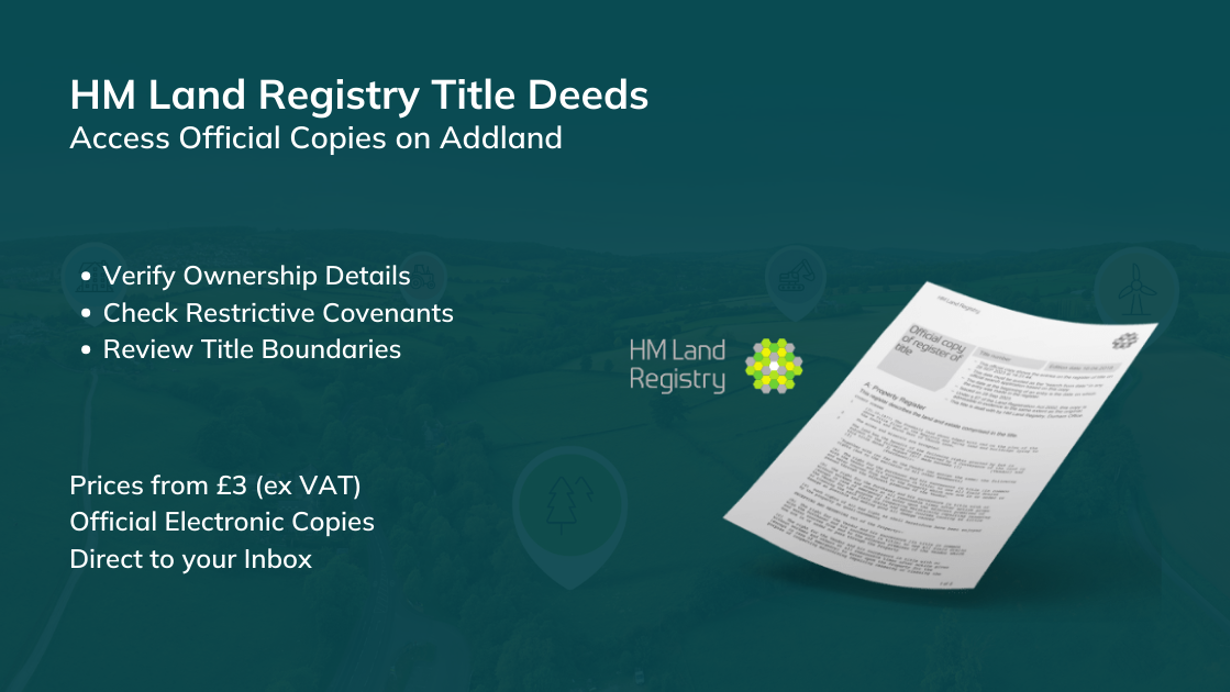
The Importance of Accessing Land Registry Information
Land registry access plays a crucial role in property ownership and real estate transactions. The land registry is a centralised database that contains essential information about land and property ownership, boundaries, rights, and restrictions. Access to this information is vital for various stakeholders, including property buyers, sellers, developers, and government authorities.
Benefits of Land Registry Access:
- Ownership Verification: By accessing the land registry, individuals can verify the legal ownership of a property before making any transactions. This helps prevent fraud and ensures that the seller has the right to transfer ownership.
- Boundary Clarification: The land registry provides accurate details about property boundaries, easements, and other restrictions. This information helps avoid disputes between neighbouring landowners regarding boundaries or access rights.
- Planning and Development: Developers and planners use land registry data to assess the feasibility of projects, identify potential obstacles or constraints, and make informed decisions about land use and development proposals.
- Legal Security: Having access to up-to-date land registry information enhances legal security for property owners by providing a clear record of ownership rights, mortgages, leases, and other interests in the land.
- Government Functions: Government authorities rely on land registry data for taxation purposes, urban planning initiatives, infrastructure development projects, and maintaining public records related to land tenure.
Accessing Land Registry Information:
In many countries, the land registry is a public record that can be accessed online or through local government offices. Interested parties can obtain copies of title deeds, property plans, encumbrances, and other relevant documents by submitting formal requests or conducting searches through designated channels.
It is essential for individuals involved in property transactions or land-related activities to utilise the resources provided by the land registry to ensure transparency, legality, and security in their dealings. By accessing accurate and reliable information from the land registry, stakeholders can make informed decisions that protect their interests and contribute to a well-regulated real estate market.
7 Essential Tips for Navigating Land Registry Access in the UK
- Ensure you have the correct title number when searching the land registry.
- Check for any restrictions or charges on the property before proceeding with a transaction.
- Verify the ownership details and boundaries of the land through the land registry records.
- Keep copies of all land registry documents for your records and future reference.
- Consider getting professional advice from a solicitor or conveyancer when dealing with land registry matters.
- Be cautious of any discrepancies or inconsistencies in the land registry information that may indicate potential issues.
- Regularly update your contact information with the land registry to receive important notifications regarding your property.
Ensure you have the correct title number when searching the land registry.
When conducting a search in the land registry, it is crucial to ensure that you have the correct title number to obtain accurate and relevant information. The title number serves as a unique identifier for a specific property, allowing you to access detailed records regarding ownership, boundaries, and legal rights associated with the land. By verifying the accuracy of the title number before proceeding with your search, you can avoid potential errors or discrepancies and obtain the precise information needed for your property-related inquiries.
Check for any restrictions or charges on the property before proceeding with a transaction.
Before proceeding with a property transaction, it is essential to check for any restrictions or charges on the property through land registry access. Identifying potential limitations or encumbrances, such as easements, mortgages, or planning restrictions, can help buyers make informed decisions and avoid future complications. By conducting thorough research on the property’s status and ensuring transparency regarding any existing charges, individuals can safeguard their interests and ensure a smooth transaction process.
Verify the ownership details and boundaries of the land through the land registry records.
To ensure a smooth and secure property transaction, it is advisable to verify the ownership details and boundaries of the land through the land registry records. By accessing this information, individuals can confirm the legal ownership of the property and clarify any boundaries or restrictions that may impact the transaction. Checking the land registry records helps prevent potential disputes and ensures that both buyers and sellers have a clear understanding of the property’s status before finalising any agreements.
Keep copies of all land registry documents for your records and future reference.
It is advisable to maintain copies of all land registry documents for your records and future reference. By keeping a comprehensive record of these essential documents, including title deeds, property plans, and any related encumbrances, you can easily access important information when needed. Having a well-organised file of land registry paperwork not only ensures that you have proof of ownership and property details readily available but also facilitates smoother transactions and legal processes in the future. Staying proactive in preserving these records can offer peace of mind and valuable documentation for any property-related matters that may arise.
Consider getting professional advice from a solicitor or conveyancer when dealing with land registry matters.
When dealing with land registry matters, it is advisable to consider seeking professional advice from a solicitor or conveyancer. These legal experts specialise in property law and can provide valuable guidance and assistance in navigating the complexities of land registry access. By consulting with a solicitor or conveyancer, individuals can ensure that their interests are protected, transactions are conducted legally, and potential risks or issues are addressed effectively. Professional advice can help streamline the process of accessing land registry information and mitigate any legal challenges that may arise during property transactions.
Be cautious of any discrepancies or inconsistencies in the land registry information that may indicate potential issues.
When accessing land registry information, it is crucial to be vigilant and attentive to any irregularities or contradictions that may arise. Discrepancies or inconsistencies in the data could signify underlying problems or unresolved issues related to property ownership, boundaries, or legal rights. By exercising caution and thoroughly reviewing the information for accuracy, individuals can identify potential red flags early on and take the necessary steps to address any concerns before proceeding with property transactions or development plans.
Regularly update your contact information with the land registry to receive important notifications regarding your property.
Regularly updating your contact information with the land registry is a crucial tip to ensure that you receive important notifications regarding your property. By keeping your details current, you can stay informed about any changes or updates related to ownership, boundaries, restrictions, or legal matters concerning your property. This proactive approach not only helps you stay connected with the latest information but also ensures that you are promptly notified of any relevant issues that may impact your property rights or obligations.