
The Importance of Environmentally Friendly Farming Practices
Environmentally friendly farming practices are crucial for the sustainability of agriculture and the preservation of our planet. As the global population continues to grow, there is an increasing demand for food production. However, this should not come at the cost of harming the environment.
Benefits of Environmentally Friendly Farming
Implementing eco-friendly farming practices has numerous benefits:
- Preservation of Biodiversity: By avoiding harmful chemicals and promoting natural habitats on farms, biodiversity can thrive.
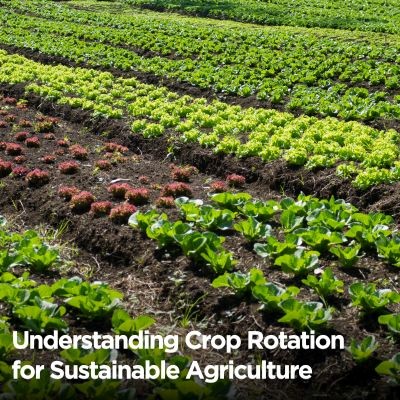
- Soil Health: Practices such as crop rotation and cover cropping help maintain soil fertility and structure.
- Water Conservation: Efficient irrigation methods and water recycling reduce water wastage on farms.
- Reduced Carbon Footprint: Sustainable farming practices contribute to lower greenhouse gas emissions and combat climate change.
- Promotion of Public Health: By reducing chemical inputs, environmentally friendly farming produces healthier food for consumers.
Examples of Eco-Friendly Farming Practices
Farmers can adopt various environmentally friendly practices to promote sustainability:
- Organic Farming: Avoiding synthetic pesticides and fertilisers in favour of natural alternatives.
- No-Till Farming: Minimising soil disturbance to prevent erosion and improve soil health.
- Agroforestry: Integrating trees into agricultural landscapes to enhance biodiversity and provide additional benefits.
- Crop Diversification: Planting a variety of crops to improve resilience against pests and diseases.
- Rotational Grazing: Rotating livestock grazing areas to prevent overgrazing and promote grassland health.
The Future of Agriculture
Incorporating environmentally friendly farming practices is not just a choice but a necessity for the future of agriculture. Sustainable farming methods not only benefit the environment but also ensure the long-term viability of food production for generations to come.
Understanding Eco-Friendly and Sustainable Farming Practices in India: Frequently Asked Questions
- What is the best farming method in India?
- What is eco-friendly farming?
- What are the sustainable farming practices?
- What do you mean by environment friendly practices in the farm?
- What are the eco friendly practices in India?
What is the best farming method in India?
When considering the best farming method in India, environmentally friendly practices play a crucial role in ensuring sustainable agriculture. In a country with diverse climatic conditions and agricultural landscapes, adopting methods that promote soil health, water conservation, and biodiversity is essential. Practices such as organic farming, crop rotation, and agroforestry have shown promising results in enhancing productivity while minimising environmental impact. By prioritising eco-friendly farming techniques tailored to local conditions, Indian farmers can contribute to long-term agricultural sustainability and resilience in the face of climate change challenges.
What is eco-friendly farming?
Eco-friendly farming, also known as sustainable agriculture, is a method of farming that prioritises environmental conservation and resource efficiency. This approach focuses on minimising the use of synthetic inputs such as pesticides and fertilisers, reducing water consumption, and promoting biodiversity. Eco-friendly farming practices aim to maintain soil health, preserve natural habitats, and mitigate the impact of agriculture on the environment. By adopting techniques like crop rotation, organic farming, and integrated pest management, eco-friendly farming seeks to ensure long-term sustainability while producing healthy food for consumers.
What are the sustainable farming practices?
Sustainable farming practices encompass a range of methods and techniques that aim to minimise environmental impact, promote long-term agricultural productivity, and support the well-being of farmers and communities. These practices include organic farming, crop rotation, agroforestry, integrated pest management, water conservation strategies, and soil health management. By adopting sustainable farming practices, farmers can reduce reliance on synthetic inputs, conserve natural resources, improve soil fertility, enhance biodiversity, and mitigate climate change effects. Embracing sustainability in agriculture is essential for ensuring food security, protecting ecosystems, and fostering resilient farming systems for the future.
What do you mean by environment friendly practices in the farm?
Environmentally friendly practices in farming refer to sustainable agricultural methods that aim to minimise negative impacts on the environment while promoting long-term ecological balance. These practices involve reducing the use of synthetic chemicals, conserving water resources, preserving soil health, and enhancing biodiversity on the farm. By adopting eco-friendly approaches such as organic farming, crop rotation, and agroforestry, farmers can protect natural ecosystems, mitigate climate change effects, and produce healthier food in a way that is harmonious with the environment.
What are the eco friendly practices in India?
In India, there are several eco-friendly practices embraced by farmers to promote sustainable agriculture and protect the environment. One common practice is organic farming, where farmers avoid synthetic pesticides and fertilisers, opting for natural alternatives instead. Another prevalent eco-friendly practice is water conservation through methods like drip irrigation and rainwater harvesting to reduce water wastage. Additionally, crop diversification and agroforestry are widely adopted to enhance biodiversity, improve soil health, and provide additional benefits to the ecosystem. These eco-friendly practices in India not only contribute to sustainable agriculture but also support the preservation of natural resources for future generations.