
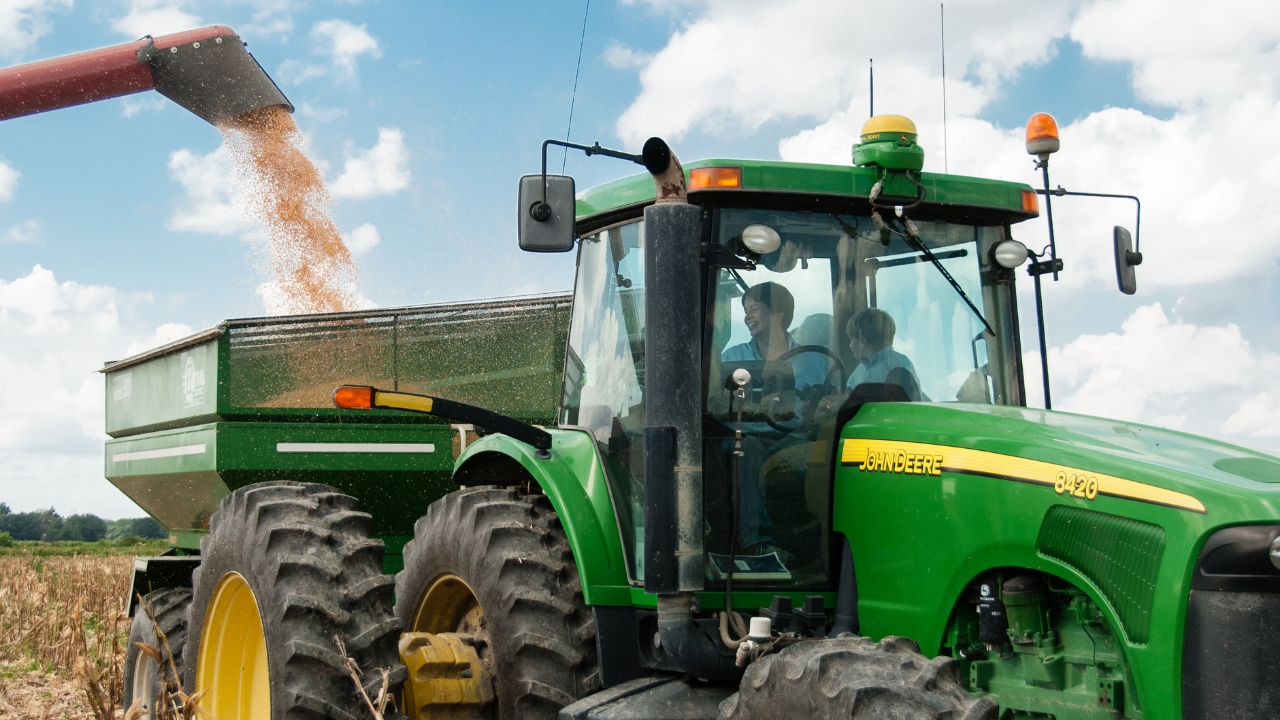
Courses for Farming Enthusiasts
Embarking on a career in farming or looking to enhance your agricultural knowledge? Taking courses related to farming can be a rewarding and educational experience. Whether you are a novice or an experienced farmer, there are various courses available to suit your needs and interests.
Benefits of Farming Courses
Participating in farming courses can provide numerous benefits. These courses offer valuable insights into modern agricultural practices, sustainability, crop management, livestock care, and more. By enrolling in such courses, individuals can stay updated with the latest trends and technologies in the agricultural industry.
Types of Farming Courses
There is a diverse range of farming courses catering to different aspects of agriculture. Some common types of farming courses include:
- Organic Farming Courses: Learn about sustainable farming practices that focus on environmental conservation and natural methods of cultivation.
- Agricultural Business Management: Understand the financial and managerial aspects of running a farm effectively.
- Livestock Management Courses: Gain knowledge about caring for animals, breeding techniques, nutrition requirements, and health management.
- Horticulture Courses: Explore plant cultivation techniques, landscaping principles, and garden design.
- Agricultural Technology Courses: Discover how technology is revolutionising the agricultural sector with precision farming tools, drones, and data analytics.
Where to Find Farming Courses
Farming courses are offered by agricultural colleges, universities, online platforms, and specialised training institutions. These courses may range from short workshops to diploma programmes or even degree courses in agriculture-related fields. Many organisations also provide practical training on farms to give participants hands-on experience.
In Conclusion
If you have a passion for farming or wish to pursue a career in agriculture, enrolling in relevant courses can be an excellent way to expand your knowledge and skills. By investing in education and training through farming courses, you can equip yourself with the expertise needed to thrive in the dynamic world of agriculture.
Explore Modern Farming: Insights, Sustainability, and Practical Skills
- Gain valuable insights into modern agricultural practices.
- Learn about sustainable farming methods and environmental conservation.
- Enhance your knowledge of crop management and livestock care.
- Stay updated with the latest trends and technologies in the agricultural industry.
- Explore diverse aspects of agriculture such as horticulture, livestock management, and agricultural business.
- Acquire practical skills through hands-on training on farms.
Challenges of Enrolling in Farming Courses: Cost, Accessibility, and Quality Concerns
- Costly tuition fees for some advanced farming courses may be prohibitive for individuals with limited financial resources.
- Limited accessibility to certain specialised farming courses, especially in remote areas, may pose challenges for interested participants.
- Time constraints can be a drawback for individuals balancing farming courses with existing work or personal commitments.
- Quality variations among different farming courses may impact the overall learning experience and educational outcomes.
- Lack of hands-on practical training in some online farming courses could hinder the development of necessary skills for real-world application.
- Changes in agricultural practices and technologies may render certain course content outdated, requiring continuous updates to stay relevant.
Gain valuable insights into modern agricultural practices.
By enrolling in farming courses, individuals have the opportunity to gain valuable insights into modern agricultural practices. These courses provide a deep understanding of the latest techniques, technologies, and sustainable methods used in the farming industry today. Participants can learn about innovative approaches to crop cultivation, soil health management, water conservation, and more, equipping them with the knowledge and skills needed to adapt to evolving trends in agriculture.
Learn about sustainable farming methods and environmental conservation.
By enrolling in farming courses, individuals have the opportunity to learn about sustainable farming methods and environmental conservation practices. These courses provide valuable insights into how to cultivate crops and raise livestock in ways that minimise ecological impact and promote long-term sustainability. Understanding the importance of environmental conservation in agriculture is crucial for creating a harmonious balance between farming activities and the preservation of natural resources. Through these courses, participants can gain knowledge on implementing eco-friendly practices that benefit both the environment and future generations.
Enhance your knowledge of crop management and livestock care.
By enrolling in farming courses, individuals have the opportunity to enhance their knowledge of crop management and livestock care. These courses provide valuable insights into best practices for cultivating crops, including soil preparation, planting techniques, pest control, and harvesting methods. Moreover, participants can learn essential skills for caring for livestock, such as animal nutrition, health monitoring, breeding strategies, and proper housing requirements. By gaining a deeper understanding of crop management and livestock care through specialised courses, individuals can improve the efficiency and sustainability of their farming practices.
Stay updated with the latest trends and technologies in the agricultural industry.
By enrolling in farming courses, individuals can benefit from staying updated with the latest trends and technologies in the agricultural industry. These courses provide valuable insights into emerging practices, innovative technologies, and sustainable methods that are shaping the future of agriculture. Keeping abreast of these developments not only enhances one’s knowledge but also equips farmers with the tools and techniques necessary to improve productivity, efficiency, and sustainability on their farms.
Explore diverse aspects of agriculture such as horticulture, livestock management, and agricultural business.
By enrolling in farming courses, individuals have the opportunity to delve into a wide array of agricultural disciplines, including horticulture, livestock management, and agricultural business. These courses offer a holistic approach to understanding the various facets of agriculture, allowing participants to gain valuable insights into plant cultivation, animal care, and the operational aspects of running a successful farm. By exploring diverse aspects of agriculture through specialised courses, individuals can broaden their knowledge base and develop a well-rounded understanding of the complexities involved in modern farming practices.
Acquire practical skills through hands-on training on farms.
Acquiring practical skills through hands-on training on farms is a significant advantage of farming courses. This experiential learning approach allows participants to apply theoretical knowledge in real-world agricultural settings, gaining valuable insights into farm operations, crop management, livestock care, and sustainable practices. By engaging in practical activities on farms, individuals can develop essential skills, problem-solving abilities, and a deeper understanding of the challenges and rewards of working in agriculture. Such hands-on training not only enhances competency but also instils confidence in aspiring farmers, preparing them for success in the field.
Costly tuition fees for some advanced farming courses may be prohibitive for individuals with limited financial resources.
The high tuition fees associated with certain advanced farming courses can present a significant barrier for individuals with limited financial resources. The costliness of these courses may deter aspiring farmers or agricultural enthusiasts from pursuing further education in the field. This financial constraint could hinder access to valuable knowledge and skills that could otherwise enhance one’s proficiency in agriculture. Addressing the affordability of advanced farming courses is crucial to ensuring that individuals from diverse socioeconomic backgrounds have equal opportunities to learn and excel in the agricultural sector.
Limited accessibility to certain specialised farming courses, especially in remote areas, may pose challenges for interested participants.
Limited accessibility to certain specialised farming courses, particularly in remote areas, can present challenges for individuals eager to enhance their agricultural knowledge. The geographical constraints may hinder interested participants from accessing specific courses that could provide valuable insights and skills relevant to their farming endeavours. This lack of availability in remote regions underscores the importance of promoting equal opportunities for all aspiring farmers to benefit from a diverse range of educational offerings in the agricultural sector.
Time constraints can be a drawback for individuals balancing farming courses with existing work or personal commitments.
Balancing farming courses with existing work or personal commitments can pose a significant challenge due to time constraints. Individuals who are juggling multiple responsibilities may find it difficult to dedicate sufficient time to attend classes, complete assignments, and participate in practical training sessions. The demanding nature of farming courses, which often require hands-on experience and fieldwork, can add further pressure to an already busy schedule. As a result, managing the time required for both farm-related activities and course requirements may become a drawback for those seeking to enhance their agricultural knowledge while maintaining other responsibilities.
Quality variations among different farming courses may impact the overall learning experience and educational outcomes.
Quality variations among different farming courses can pose a significant con in the realm of agricultural education. The disparity in course content, teaching methods, and resources across various farming courses may lead to inconsistencies in the learning experience and educational outcomes for participants. Students enrolled in courses of varying quality levels may encounter challenges in acquiring comprehensive knowledge, practical skills, and industry-relevant insights, potentially hindering their overall growth and success in the field of agriculture. It is essential for prospective learners to carefully evaluate the quality and credibility of farming courses to ensure they receive a robust educational foundation that aligns with their goals and aspirations.
Lack of hands-on practical training in some online farming courses could hinder the development of necessary skills for real-world application.
One significant drawback of certain online farming courses is the lack of hands-on practical training, which may impede the acquisition of essential skills for real-world application. While online courses offer convenience and flexibility, the absence of physical interaction with farming practices can limit the development of hands-on skills crucial for effective farm management. Practical experience in handling equipment, tending to crops and livestock, and problem-solving in a farm setting plays a vital role in preparing individuals for the challenges they may encounter in the field. Therefore, aspiring farmers should carefully consider the practical components offered in online courses to ensure a well-rounded education that aligns with their career goals.
Changes in agricultural practices and technologies may render certain course content outdated, requiring continuous updates to stay relevant.
Changes in agricultural practices and technologies present a significant challenge for farming courses. The rapid evolution of the agricultural industry means that course content can quickly become outdated, necessitating frequent updates to ensure relevance and effectiveness. Keeping up with the latest advancements in farming techniques, sustainability practices, and technological innovations is essential to provide students with up-to-date knowledge and skills that align with the current needs of the agricultural sector. Continuous adaptation and revision of course materials are vital to equip learners with the most relevant information and prepare them for success in a constantly changing agricultural landscape.