
The Benefits of Agroecological Farming Systems
Agroecological farming systems are gaining recognition as a sustainable and environmentally friendly approach to agriculture. By integrating ecological principles into farming practices, agroecology promotes biodiversity, soil health, and resilience to climate change. Let’s explore some of the key benefits of agroecological farming:
Biodiversity Conservation
Agroecological farming systems prioritise the preservation and enhancement of biodiversity. By creating diverse habitats for various plant and animal species, agroecology helps maintain ecological balance and reduce reliance on chemical inputs.
Soil Health Improvement
Unlike conventional farming methods that often degrade soil quality through intensive tillage and chemical use, agroecology focuses on building healthy soils. Practices such as crop rotation, cover cropping, and composting enhance soil fertility and structure, leading to sustainable agricultural productivity.
Climate Resilience
Agroecological farming systems are inherently resilient to climate variability and extremes. By promoting diverse cropping systems and agroforestry practices, agroecology helps farmers adapt to changing environmental conditions while reducing greenhouse gas emissions.
Reduced Chemical Dependency
One of the hallmarks of agroecology is minimising the use of synthetic pesticides and fertilisers. Instead, farmers rely on natural pest control methods, nutrient cycling, and biological diversity to manage pests and diseases effectively without harming the environment or human health.
Social Equity
Agroecological farming systems often prioritise social equity by empowering small-scale farmers, promoting local food systems, and fostering community resilience. By valuing traditional knowledge and local resources, agroecology contributes to food sovereignty and rural development.
In conclusion, agroecological farming offers a holistic approach to agriculture that balances ecological sustainability with economic viability and social well-being. As we face increasing challenges from climate change and environmental degradation, embracing agroecology can help create a more resilient and regenerative food system for future generations.
Exploring Agroecological Farming: Key Questions and Insights
- What is agroecological farming?
- How does agroecology differ from conventional farming?
- What are the benefits of agroecological farming systems?
- How does agroecology contribute to sustainability?
- Can agroecological practices increase crop yields?
- What role does biodiversity play in agroecology?
- How can farmers transition to an agroecological system?
- Is organic farming the same as agroecological farming?
- How does agroecology address climate change?
What is agroecological farming?
Agroecological farming is a sustainable agricultural approach that integrates ecological principles to promote biodiversity, soil health, and resilience in farming systems. It focuses on creating harmonious relationships between crops, livestock, and the environment to enhance productivity while minimising negative impacts on the ecosystem. Agroecology emphasises natural processes such as crop diversification, organic fertilisation, and biological pest control to maintain a healthy balance within agricultural ecosystems. By prioritising sustainability and environmental stewardship, agroecological farming aims to create resilient food systems that benefit both farmers and the planet.
How does agroecology differ from conventional farming?
Agroecology differs from conventional farming in its holistic approach to agriculture. While conventional farming relies heavily on chemical inputs, monocropping, and mechanisation, agroecology integrates ecological principles to create sustainable farming systems. Agroecological practices focus on enhancing biodiversity, improving soil health, and promoting natural pest control methods. Unlike conventional farming that often leads to environmental degradation and reliance on external inputs, agroecology prioritises resilience, diversity, and long-term sustainability. By fostering a deeper connection between agriculture and the environment, agroecology offers a more regenerative and environmentally friendly alternative to conventional farming practices.
What are the benefits of agroecological farming systems?
Agroecological farming systems offer a host of benefits that contribute to sustainable agriculture and environmental stewardship. By prioritising biodiversity conservation, agroecology helps create resilient ecosystems that support natural pollinators and beneficial organisms. Improved soil health is another key advantage, as agroecological practices enhance soil fertility and structure through methods like crop rotation and composting. Additionally, these farming systems promote climate resilience by diversifying crops and incorporating agroforestry techniques to mitigate the impacts of climate change. By reducing chemical dependency and fostering social equity through community involvement, agroecological farming systems pave the way for a more sustainable and inclusive agricultural future.
How does agroecology contribute to sustainability?
Agroecology plays a crucial role in promoting sustainability within the agricultural sector through its holistic and environmentally conscious practices. By prioritising biodiversity conservation, soil health improvement, climate resilience, reduced chemical dependency, and social equity, agroecology contributes to a more sustainable food system. This approach fosters long-term ecological balance, enhances soil fertility and structure, helps farmers adapt to changing climate conditions, minimises the use of harmful chemicals, and empowers local communities. Overall, agroecology’s emphasis on sustainable practices not only benefits the environment but also supports the well-being of farmers and promotes food security for future generations.
Can agroecological practices increase crop yields?
Agroecological practices have shown the potential to increase crop yields while promoting sustainable agriculture. By focusing on enhancing soil health, biodiversity, and natural pest control methods, agroecology can improve overall crop productivity in the long term. While the transition to agroecological farming may initially require adjustments and investments, the benefits of improved soil fertility, reduced input costs, and resilience to climate variability can lead to higher yields over time. Additionally, by reducing reliance on synthetic chemicals and promoting ecological balance, agroecological practices contribute to long-term agricultural sustainability and food security.
What role does biodiversity play in agroecology?
Biodiversity plays a crucial role in agroecology by enhancing the resilience and sustainability of farming systems. In agroecological practices, biodiversity refers to the variety of plant and animal species within an agricultural ecosystem. By promoting diverse habitats and species interactions, agroecology helps to create a balanced and resilient environment that can better withstand pest outbreaks, diseases, and extreme weather events. Biodiversity also contributes to improved soil health, pollination services, natural pest control, and nutrient cycling, reducing the need for chemical inputs and enhancing overall ecosystem function. Ultimately, biodiversity in agroecology is fundamental to creating a more harmonious and productive agricultural system that benefits both farmers and the environment.
How can farmers transition to an agroecological system?
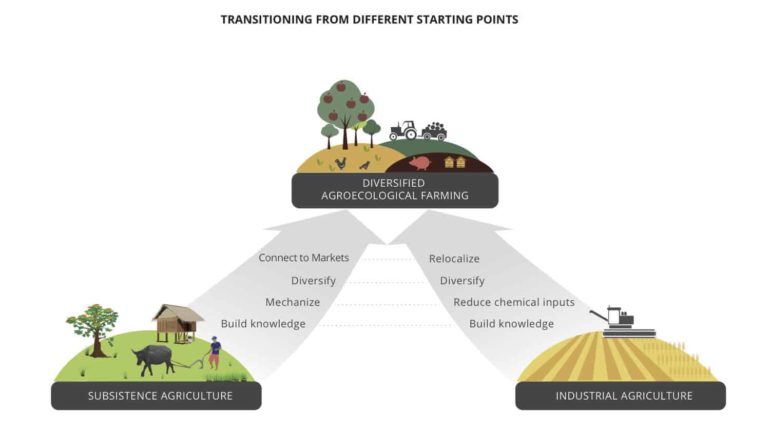
Transitioning to an agroecological farming system involves a shift in mindset and practices for farmers. To make this transition successfully, farmers can start by conducting a thorough assessment of their current farming methods and identifying areas where they can integrate agroecological principles. This may include adopting practices such as crop diversification, agroforestry, organic farming techniques, and natural pest management. Farmers can also seek guidance from agroecology experts, attend training workshops, and collaborate with other farmers who have experience in sustainable agriculture. By gradually implementing these changes and learning from both successes and challenges, farmers can make a meaningful transition towards an agroecological farming system that benefits both the environment and their agricultural productivity.
Is organic farming the same as agroecological farming?
Organic farming and agroecological farming share common principles of sustainability and environmental stewardship, but they are not synonymous. While organic farming focuses on avoiding synthetic inputs such as pesticides and fertilisers, agroecological farming takes a broader approach by integrating ecological principles into agricultural practices. Agroecology emphasises biodiversity conservation, soil health improvement, and climate resilience through practices like crop diversification, agroforestry, and natural pest management. While organic farming is a certification-based system with specific standards, agroecological farming is more of a holistic approach that considers the entire ecosystem within which agriculture operates. Both systems contribute to sustainable agriculture, but agroecology offers a more comprehensive framework for building resilient and regenerative food systems.
How does agroecology address climate change?
Agroecology addresses climate change by promoting sustainable farming practices that enhance ecosystem resilience and reduce greenhouse gas emissions. Through techniques such as agroforestry, cover cropping, and crop rotation, agroecological farming systems help sequester carbon in the soil, mitigating the effects of climate change. By diversifying crop species and incorporating natural pest control methods, agroecology also helps farmers adapt to changing weather patterns and extreme events. Overall, agroecology plays a crucial role in building climate-resilient agricultural systems that contribute to both environmental sustainability and food security.