
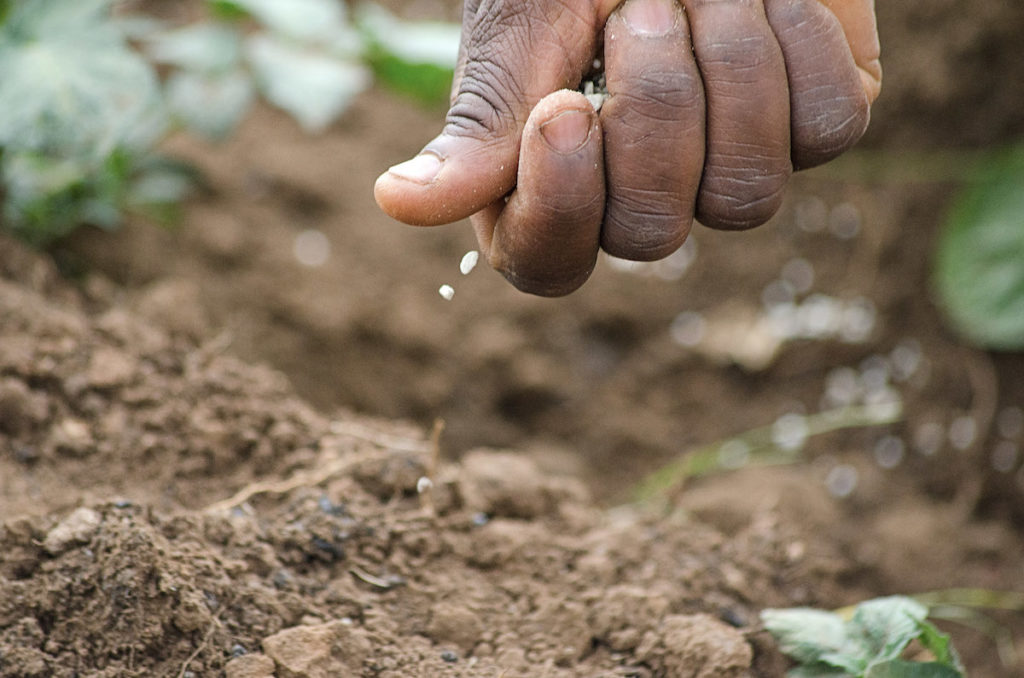
The Importance of Soil Fertility Management in Sustainable Development
Soil fertility management plays a critical role in achieving sustainable development goals, particularly in the agricultural sector. Healthy soil is essential for producing nutritious crops, maintaining ecosystem balance, and mitigating climate change effects. By implementing effective soil fertility management practices, we can ensure long-term food security and environmental sustainability.
Challenges in Soil Fertility
Modern agricultural practices, such as intensive farming and excessive use of chemical fertilisers, have led to soil degradation and nutrient depletion. Poor soil fertility not only affects crop yields but also contributes to water pollution and loss of biodiversity. Addressing these challenges requires a shift towards sustainable soil management strategies.
Benefits of Sustainable Soil Fertility Management
Implementing sustainable soil fertility management practices offers numerous benefits for both farmers and the environment. By using organic fertilisers, cover crops, crop rotation, and conservation tillage techniques, farmers can improve soil structure, enhance nutrient cycling, and reduce reliance on synthetic inputs. Healthy soils are more resilient to climate change impacts and promote biodiversity conservation.
Strategies for Effective Soil Fertility Management
To promote soil health and fertility, farmers can adopt the following strategies:
- Regular soil testing to assess nutrient levels
- Appropriate use of organic matter to improve soil structure
- Crop rotation to prevent nutrient depletion
- Conservation tillage methods to reduce erosion
- Cover cropping to suppress weeds and enhance soil biodiversity
- Balanced use of mineral fertilisers based on crop requirements
The Role of Technology in Soil Fertility Management
Advancements in agricultural technology have enabled precision farming techniques that optimise nutrient application based on specific field requirements. Tools such as remote sensing, GIS mapping, and sensor-based systems help farmers monitor soil health parameters and make informed decisions about fertiliser usage. Integrating technology with traditional farming practices can further enhance soil fertility management outcomes.
Conclusion
In conclusion, sustainable development relies heavily on maintaining healthy soils through effective fertility management practices. By prioritising soil health, we can safeguard food production systems, protect natural resources, and promote environmental sustainability for future generations. It is imperative that farmers, policymakers, researchers, and stakeholders work together to implement holistic approaches towards improving soil fertility for a more resilient and prosperous agricultural sector.
Eight Essential Tips for Enhancing Soil Fertility and Promoting Sustainable Development
- Regularly test the soil to determine nutrient levels and pH.
- Use organic fertilizers such as compost and manure to improve soil structure and fertility.
- Practice crop rotation to prevent nutrient depletion and maintain soil health.
- Avoid overusing chemical fertilizers, as they can harm beneficial soil organisms.
- Mulch the soil to retain moisture, suppress weeds, and add organic matter.
- Plant cover crops to protect the soil from erosion and fix nitrogen naturally.
- Incorporate crop residues back into the soil to recycle nutrients.
- Promote biodiversity in the soil by planting a variety of crops and avoiding monoculture.
Regularly test the soil to determine nutrient levels and pH.
Regularly testing the soil to assess nutrient levels and pH is a crucial tip for effective soil fertility management in sustainable development. By understanding the specific nutrient requirements and pH balance of the soil, farmers can make informed decisions about fertiliser application and soil amendment practices. This proactive approach helps optimise crop productivity, prevent nutrient deficiencies or excesses, and maintain soil health for long-term sustainability. Regular soil testing serves as a valuable tool for farmers to tailor their management strategies and promote balanced nutrient uptake, ultimately contributing to enhanced agricultural productivity and environmental stewardship.
Use organic fertilizers such as compost and manure to improve soil structure and fertility.
Utilising organic fertilisers like compost and manure is a key tip for enhancing soil fertility management in support of sustainable development. These natural inputs not only enrich the soil with essential nutrients but also improve its structure, promoting better water retention and aeration. By incorporating organic fertilisers into farming practices, farmers can foster healthy soil ecosystems, reduce reliance on synthetic chemicals, and contribute to long-term sustainability in agriculture.
Practice crop rotation to prevent nutrient depletion and maintain soil health.
Implementing crop rotation is a key strategy in soil fertility management for sustainable development. By rotating crops in a systematic manner, farmers can prevent nutrient depletion, improve soil structure, and enhance overall soil health. This practice helps to break pest and disease cycles, promotes natural nutrient replenishment, and reduces the need for synthetic fertilisers. Crop rotation is a simple yet effective technique that contributes to long-term sustainability in agriculture by maintaining the fertility of the soil and supporting healthy crop growth.
Avoid overusing chemical fertilizers, as they can harm beneficial soil organisms.
Avoiding overuse of chemical fertilisers is crucial for sustainable soil fertility management. Excessive application of these synthetic inputs can disrupt the delicate balance of beneficial soil organisms, leading to a decline in soil health and fertility. By minimising reliance on chemical fertilisers and exploring organic alternatives, farmers can protect the diversity of soil microorganisms essential for nutrient cycling and overall ecosystem resilience. Prioritising the well-being of these beneficial soil organisms is key to maintaining a healthy and productive agricultural environment for sustainable development.
Mulch the soil to retain moisture, suppress weeds, and add organic matter.
Mulching the soil is a valuable technique for enhancing soil fertility and promoting sustainable development. By applying a layer of organic mulch, such as straw, leaves, or compost, farmers can retain moisture in the soil, reduce water evaporation, and improve water infiltration. Additionally, mulching helps suppress weed growth by blocking sunlight and inhibiting weed seed germination. As the organic mulch breaks down over time, it adds valuable nutrients to the soil, enriching its fertility and supporting healthy plant growth. This simple yet effective practice not only conserves water and reduces the need for synthetic inputs but also contributes to building resilient agricultural ecosystems for long-term sustainability.
Plant cover crops to protect the soil from erosion and fix nitrogen naturally.
Planting cover crops is a valuable tip for enhancing soil fertility management and promoting sustainable development. Cover crops play a crucial role in protecting the soil from erosion by providing ground cover and reducing runoff. Additionally, certain cover crops have the ability to fix nitrogen naturally, enriching the soil with this essential nutrient without the need for synthetic fertilisers. By incorporating cover crops into agricultural practices, farmers can improve soil health, prevent nutrient loss, and contribute to long-term sustainability in farming systems.
Incorporate crop residues back into the soil to recycle nutrients.
Incorporating crop residues back into the soil is a valuable tip for enhancing soil fertility management and promoting sustainable development in agriculture. By returning organic matter to the soil, farmers can recycle essential nutrients, improve soil structure, and enhance microbial activity. This practice not only reduces the need for external fertilisers but also contributes to long-term soil health and productivity. By embracing this approach, farmers can create a closed-loop system that supports ecosystem balance and fosters sustainable agricultural practices for a more resilient future.
Promote biodiversity in the soil by planting a variety of crops and avoiding monoculture.
Promoting biodiversity in the soil by planting a variety of crops and avoiding monoculture is a key tip for effective soil fertility management in sustainable development. Diverse crop rotations help maintain a balanced ecosystem underground, fostering beneficial microbial activity and nutrient cycling. By cultivating different plant species, farmers can enhance soil structure, reduce pest pressure, and improve overall soil health. This practice not only increases resilience to environmental stresses but also contributes to long-term sustainability by preserving soil fertility for future generations.