
Future Technology for Agriculture: Transforming the Industry
The agricultural sector is poised for a technological revolution that promises to enhance productivity, sustainability, and efficiency. As the global population continues to grow, the demand for food increases, necessitating innovative solutions to meet these challenges. Here are some of the most promising future technologies set to transform agriculture.
Precision Farming
Precision farming is at the forefront of agricultural innovation. Utilising GPS technology and IoT devices, farmers can monitor crop health, soil conditions, and weather patterns in real time. This data-driven approach allows for more precise application of water, fertilisers, and pesticides, reducing waste and increasing yields.
Robotics and Automation
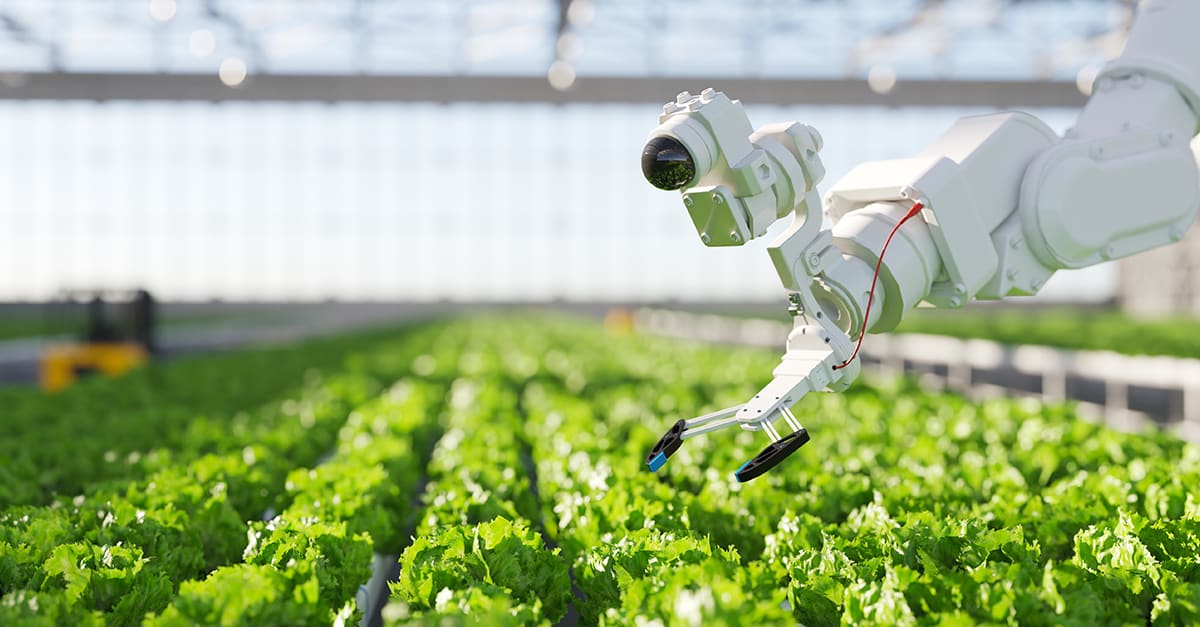
Robots are becoming an integral part of modern farming operations. From automated tractors to robotic harvesters, these machines can perform repetitive tasks with precision and efficiency. Automation reduces labour costs and minimises human error while allowing farmers to focus on more strategic aspects of their business.
Drones in Agriculture
Drones equipped with advanced sensors are revolutionising crop monitoring. They provide aerial views of fields, capturing detailed images that help identify issues such as pest infestations or nutrient deficiencies early on. This timely information enables farmers to take corrective actions swiftly.
Vertical Farming
As urbanisation continues to encroach on arable land, vertical farming offers a sustainable solution by growing crops in stacked layers within controlled environments. This method reduces water usage and eliminates the need for pesticides while enabling year-round production regardless of external weather conditions.
Biotechnology Advances
Biotechnology plays a crucial role in developing resilient crop varieties that can withstand climate change impacts such as droughts or diseases. Genetic engineering techniques allow scientists to enhance traits like yield potential or nutritional content while reducing reliance on chemical inputs.
The Role of Artificial Intelligence (AI)
AI-powered systems are transforming decision-making processes across agriculture by analysing vast amounts of data quickly and accurately. From predicting optimal planting times based on weather forecasts to optimising supply chain logistics—AI streamlines operations from farm-to-fork.
Sustainable Practices Through Innovation
The integration of these technologies not only boosts productivity but also promotes sustainability within agriculture by conserving resources like water or energy while reducing environmental impact through reduced carbon emissions or chemical runoff into ecosystems surrounding farms worldwide.
The Path Forward: Embracing Change Together
The future holds immense potential for transforming traditional farming practices into highly efficient systems driven by cutting-edge innovations across various domains—from robotics & automation through biotechnology advancements up until AI applications—all working together towards achieving sustainable food security globally! By embracing change collectively alongside stakeholders involved throughout supply chains including policymakers & consumers alike – we can ensure successful adoption leading towards brighter futures ahead!
Exploring Future Technologies in Agriculture: Precision Farming, Robotics, Drones, and More
- 1. What is precision farming and how does it benefit agriculture?
- 2. How are robotics and automation changing the landscape of modern farming?
- 3. What role do drones play in agriculture and how do they improve crop monitoring?
- 4. What is vertical farming, and what advantages does it offer in sustainable agriculture?
- 5. How is biotechnology advancing crop development to address challenges like climate change?
- 6. In what ways can artificial intelligence (AI) revolutionise decision-making processes in agriculture?
- 7. How can the integration of future agricultural technologies promote sustainability and environmental conservation?
1. What is precision farming and how does it benefit agriculture?
Precision farming is a modern agricultural approach that utilises advanced technologies such as GPS, IoT devices, and data analytics to optimise farming practices. By collecting and analysing real-time data on crop health, soil conditions, and weather patterns, precision farming enables farmers to make informed decisions tailored to specific areas within their fields. This targeted approach allows for precise application of resources like water, fertilisers, and pesticides, leading to increased efficiency, reduced waste, and improved yields. Overall, precision farming benefits agriculture by enhancing productivity, sustainability, and profitability while minimising environmental impact through smarter resource management.
2. How are robotics and automation changing the landscape of modern farming?
Robotics and automation are revolutionising modern farming practices by fundamentally changing the agricultural landscape. These technologies have streamlined operations, increased efficiency, and reduced labour costs for farmers. Robots equipped with advanced sensors can perform tasks such as planting, weeding, and harvesting with precision and consistency. Automation has enabled farmers to monitor crops and manage resources more effectively, leading to higher yields and improved sustainability. By integrating robotics and automation into farming processes, the industry is embracing innovation that enhances productivity while minimising environmental impact.
3. What role do drones play in agriculture and how do they improve crop monitoring?
Drones play a crucial role in modern agriculture by revolutionising crop monitoring practices. Equipped with advanced sensors and cameras, drones provide farmers with valuable aerial perspectives of their fields, enabling them to detect crop health issues, pest infestations, or nutrient deficiencies quickly and accurately. By capturing high-resolution images and data from above, drones offer detailed insights that help farmers make informed decisions regarding irrigation, fertilisation, and pest control strategies. This real-time monitoring capability enhances precision farming practices, optimises resource allocation, and ultimately improves crop yields while reducing environmental impact.
4. What is vertical farming, and what advantages does it offer in sustainable agriculture?
Vertical farming is a modern agricultural technique that involves growing crops in vertically stacked layers or structures, often indoors using controlled environments and artificial lighting. This innovative approach offers several advantages in sustainable agriculture. Firstly, vertical farming maximises land use efficiency by utilising vertical space, allowing for higher crop yields in a smaller footprint compared to traditional farming methods. Additionally, it reduces water consumption significantly as the closed-loop system recycles and conserves water efficiently. Furthermore, vertical farming minimises the need for pesticides and herbicides due to the controlled environment, leading to healthier produce while decreasing chemical runoff into the environment. Overall, vertical farming holds great promise in promoting sustainability by enhancing food production while mitigating environmental impact.
5. How is biotechnology advancing crop development to address challenges like climate change?
Biotechnology is revolutionising crop development to tackle challenges posed by climate change. Through genetic engineering techniques, scientists can enhance crop varieties with traits that enable them to thrive in changing environmental conditions such as droughts, pests, or diseases. By introducing genes that improve resilience and yield potential, biotechnology plays a crucial role in creating crops that are more adaptable and sustainable in the face of climate-related stresses. This innovative approach not only helps safeguard food security but also reduces the reliance on chemical inputs, contributing to a more environmentally friendly agricultural system.
6. In what ways can artificial intelligence (AI) revolutionise decision-making processes in agriculture?
Artificial intelligence (AI) has the potential to revolutionise decision-making processes in agriculture by enabling more precise and informed choices. By analysing vast amounts of data from various sources, such as weather forecasts, soil conditions, and crop health, AI systems can provide farmers with actionable insights to optimise planting schedules, irrigation practices, and pest control measures. Furthermore, AI can enhance supply chain efficiency by predicting market trends and demand fluctuations, allowing farmers to adjust their production strategies accordingly. This data-driven approach not only increases productivity but also promotes sustainability by minimising resource wastage and reducing environmental impact. As AI technology continues to evolve, its integration into agriculture promises to transform the industry into a more efficient and resilient sector.
7. How can the integration of future agricultural technologies promote sustainability and environmental conservation?
The integration of future agricultural technologies plays a pivotal role in promoting sustainability and environmental conservation within the farming industry. By harnessing innovative tools such as precision farming, robotics, drones, and biotechnology, farmers can optimise resource usage, minimise waste, and reduce environmental impact. These technologies enable more efficient management of water, fertilisers, and pesticides, leading to improved crop yields while mitigating negative effects on ecosystems. Additionally, advancements in AI-driven decision-making processes help farmers make informed choices that align with sustainable practices. Overall, the adoption of future agricultural technologies not only enhances productivity but also contributes to long-term environmental preservation and conservation efforts.