
The Benefits of Agroforestry in Sustainable Agriculture
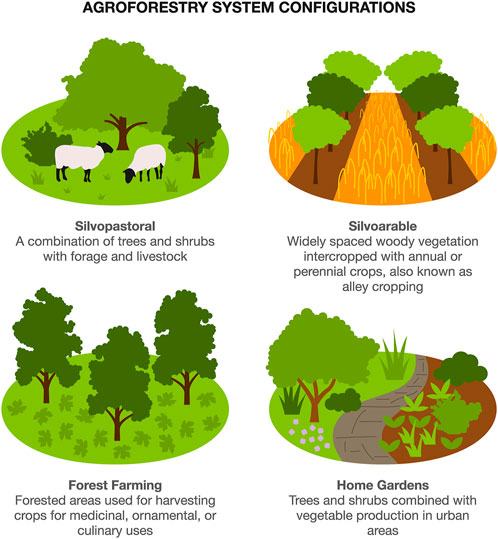
Agroforestry is a farming technique that integrates trees and shrubs into agricultural landscapes, offering a sustainable approach to land use. This practice not only enhances biodiversity but also provides numerous environmental, social, and economic benefits.
Environmental Benefits
One of the key advantages of agroforestry is its positive impact on the environment. Trees help improve soil fertility by fixing nitrogen and enhancing nutrient cycling. They also reduce soil erosion and water runoff, leading to improved water quality and conservation. Additionally, agroforestry systems act as carbon sinks, mitigating climate change by sequestering carbon dioxide from the atmosphere.
Social Benefits
Agroforestry promotes community resilience by diversifying income sources for farmers. By incorporating trees into their agricultural practices, farmers can harvest fruits, nuts, timber, and other products alongside traditional crops. This diversification not only increases economic stability but also provides food security and improves livelihoods in rural areas.
Economic Benefits
From an economic perspective, agroforestry offers long-term sustainability and profitability. Trees provide valuable products that can be sold or used for personal consumption. By combining tree cultivation with crop production or livestock grazing, farmers can maximise land productivity and generate additional income streams. Furthermore, agroforestry systems are resilient to climate fluctuations and market uncertainties, ensuring a stable source of revenue.
Conclusion
Agroforestry represents a holistic approach to sustainable agriculture that balances environmental conservation with economic prosperity and social well-being. By harnessing the benefits of trees within farming systems, we can create resilient landscapes that support both people and the planet for generations to come.
Exploring Agroforestry: Sustainable Agriculture FAQs and Insights
- What is agroforestry and how does it differ from traditional agriculture?
- What are the environmental benefits of incorporating trees into agricultural landscapes?
- How does agroforestry contribute to biodiversity conservation?
- What types of tree species are commonly used in agroforestry systems?
- Can agroforestry help mitigate climate change and improve soil health?
- What social and economic advantages does agroforestry offer to farmers and communities?
- Are there any challenges or limitations associated with implementing agroforestry practices?
- How can individuals support or get involved in promoting sustainable agroforestry initiatives?
What is agroforestry and how does it differ from traditional agriculture?
Agroforestry is a sustainable farming practice that involves integrating trees and shrubs into agricultural landscapes to create diverse and productive ecosystems. Unlike traditional agriculture, which typically focuses on monoculture crops in open fields, agroforestry combines tree cultivation with crop production or livestock grazing. This integration of trees offers numerous benefits such as improved soil fertility, enhanced biodiversity, reduced soil erosion, and increased resilience to climate change. Agroforestry systems not only provide a variety of products like fruits, nuts, timber, and fodder but also contribute to environmental conservation and economic stability. By diversifying land use and harnessing the synergies between trees and crops, agroforestry represents a more sustainable and holistic approach to farming that promotes long-term sustainability while supporting both people and the planet.
What are the environmental benefits of incorporating trees into agricultural landscapes?
Incorporating trees into agricultural landscapes offers a multitude of environmental benefits. Trees play a crucial role in enhancing soil fertility through nitrogen fixation and nutrient cycling, contributing to healthier and more productive soils. Furthermore, the presence of trees helps to reduce soil erosion and water runoff, leading to improved water quality and conservation. By acting as carbon sinks, trees in agricultural settings also aid in mitigating climate change by sequestering carbon dioxide from the atmosphere. Overall, integrating trees into agricultural landscapes not only promotes biodiversity but also fosters sustainable land management practices that benefit the environment for present and future generations.
How does agroforestry contribute to biodiversity conservation?
Agroforestry plays a vital role in biodiversity conservation by creating diverse and interconnected ecosystems that support a wide range of plant and animal species. By incorporating trees and shrubs into agricultural landscapes, agroforestry provides habitat and food sources for wildlife, promoting biodiversity at various levels. The diverse structure of agroforestry systems mimics natural forests, attracting beneficial insects, birds, and other organisms that contribute to ecosystem health. Additionally, the presence of trees enhances genetic diversity and resilience within agricultural environments, helping to safeguard against the loss of species and the degradation of ecosystems. Overall, agroforestry acts as a sustainable solution to maintaining and enhancing biodiversity while ensuring productive and resilient agricultural practices.
What types of tree species are commonly used in agroforestry systems?
In agroforestry systems, a variety of tree species are commonly used to maximise the benefits of sustainable agriculture. Popular choices include nitrogen-fixing trees like acacia and alder, which help improve soil fertility by capturing atmospheric nitrogen and enriching the soil. Fruit trees such as mango, avocado, and citrus provide additional sources of income and nutrition for farmers. Timber species like teak and mahogany offer long-term economic value through wood products. Additionally, multipurpose trees such as moringa and neem serve multiple functions, providing food, medicine, and fodder for livestock within agroforestry landscapes. By strategically selecting diverse tree species that complement crops and livestock, agroforestry systems can enhance ecosystem health and productivity while promoting sustainability in agriculture.
Can agroforestry help mitigate climate change and improve soil health?
Agroforestry plays a crucial role in addressing climate change and enhancing soil health. By incorporating trees into agricultural landscapes, agroforestry systems sequester carbon dioxide from the atmosphere, acting as carbon sinks and helping mitigate the impacts of climate change. Additionally, trees in agroforestry provide numerous benefits to soil health, such as improving soil fertility, reducing erosion, and enhancing nutrient cycling. The roots of trees help bind soil particles together, preventing erosion and promoting water infiltration. Overall, agroforestry not only contributes to climate change mitigation but also fosters sustainable land management practices that benefit both the environment and agricultural productivity.
What social and economic advantages does agroforestry offer to farmers and communities?
Agroforestry offers a range of social and economic advantages to farmers and communities. From a social perspective, agroforestry promotes community resilience by diversifying income sources for farmers, thereby reducing dependence on a single crop or livestock. This diversification enhances food security, improves livelihoods, and strengthens local economies. Additionally, agroforestry fosters a sense of environmental stewardship within communities as they actively participate in sustainable land management practices. Economically, agroforestry provides farmers with multiple revenue streams through the cultivation of trees alongside traditional crops or livestock. The sale of tree products such as fruits, nuts, timber, and medicinal plants contributes to increased income generation and long-term financial stability. Overall, agroforestry not only sustains agricultural productivity but also enhances the social fabric and economic well-being of farming communities.
Are there any challenges or limitations associated with implementing agroforestry practices?
Implementing agroforestry practices comes with its own set of challenges and limitations. One common issue is the initial investment required for establishing and maintaining agroforestry systems, which may deter some farmers from adopting this approach. Additionally, integrating trees into existing agricultural land can pose logistical challenges, such as determining the optimal spacing between trees and crops to avoid competition for resources. Another limitation is the time it takes for trees to mature and start providing significant benefits, requiring long-term commitment from farmers. Moreover, managing diverse plant species in agroforestry systems demands a higher level of expertise and knowledge compared to conventional farming methods. Despite these challenges, addressing them through proper planning, training, and support can help overcome barriers to successful agroforestry implementation.
How can individuals support or get involved in promoting sustainable agroforestry initiatives?
Individuals can support and get involved in promoting sustainable agroforestry initiatives by educating themselves about the benefits of agroforestry and its impact on the environment, society, and economy. By attending workshops, seminars, and training sessions on agroforestry practices, individuals can gain knowledge and skills to implement sustainable farming techniques in their own communities. Additionally, supporting local agroforestry projects through volunteering, donations, or purchasing products from agroforestry systems can help sustain these initiatives and contribute to a more resilient and eco-friendly agricultural landscape. By spreading awareness about the importance of agroforestry and advocating for policies that promote sustainable land management practices, individuals can play a crucial role in advancing the adoption of agroforestry for a more sustainable future.