
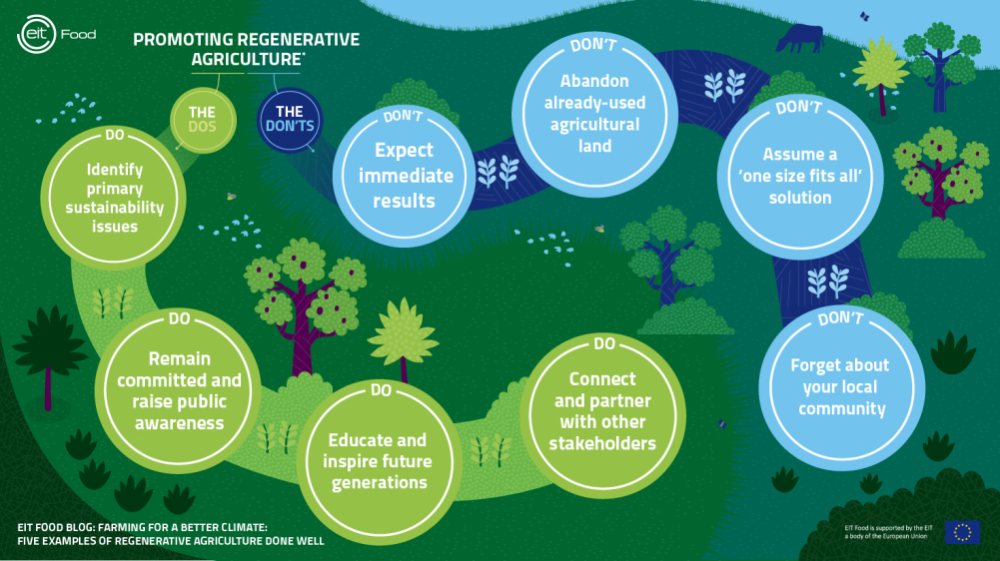
The Power of Sustainable Regenerative Agriculture
Sustainable regenerative agriculture is a holistic approach to farming that focuses on restoring and enhancing the health of the ecosystem. Unlike conventional farming methods that often deplete natural resources and harm the environment, regenerative agriculture aims to create a positive impact on the land, wildlife, and communities.
At its core, sustainable regenerative agriculture prioritises soil health. By using practices such as crop rotation, cover cropping, and minimal tillage, farmers can improve soil structure, increase biodiversity, and enhance water retention. Healthy soil not only supports plant growth but also sequesters carbon from the atmosphere, helping to mitigate climate change.
One of the key principles of sustainable regenerative agriculture is a focus on biodiversity. By cultivating a diverse range of crops and incorporating natural habitats within farmland, farmers can create thriving ecosystems that are more resilient to pests and diseases. This approach reduces the need for synthetic pesticides and fertilisers, promoting a more balanced and sustainable environment.
Another important aspect of sustainable regenerative agriculture is community engagement. By involving local communities in farming practices and decision-making processes, farmers can build stronger relationships with consumers and promote food security at a local level. This collaborative approach fosters a sense of stewardship towards the land and encourages sustainable agricultural practices for future generations.
In conclusion, sustainable regenerative agriculture offers a promising solution to the challenges facing modern farming. By prioritising soil health, biodiversity, and community involvement, this approach not only produces healthy food but also contributes to environmental conservation and resilience. Embracing sustainable regenerative agriculture is not just beneficial for farmers but for the planet as a whole.
Seven Benefits of Sustainable Regenerative Agriculture: From Soil Health to Community Wellbeing
- Improves soil health and fertility
- Enhances biodiversity on farmland
- Reduces the need for synthetic pesticides and fertilisers
- Helps sequester carbon from the atmosphere
- Promotes water conservation and efficient use
- Strengthens resilience to climate change impacts
- Fosters community engagement and local food security
Challenges of Transitioning to Sustainable Regenerative Agriculture: Costs, Time, and Patience Required
- Initial transition costs can be high for farmers adopting sustainable regenerative agriculture practices.
- Implementing regenerative techniques may require more time and effort compared to conventional farming methods.
- The outcomes of sustainable regenerative agriculture practices may take time to yield significant results, requiring patience and long-term commitment.
Improves soil health and fertility
Sustainable regenerative agriculture stands out for its ability to enhance soil health and fertility through mindful practices. By prioritising techniques such as crop rotation, cover cropping, and minimal tillage, this approach nurtures the soil, promoting biodiversity and improving its structure. Healthy soil not only supports robust plant growth but also retains more water and nutrients, leading to increased fertility. As a result, sustainable regenerative agriculture not only benefits current crop yields but also lays a foundation for long-term sustainability and productivity in farming systems.
Enhances biodiversity on farmland
Enhancing biodiversity on farmland is a significant benefit of sustainable regenerative agriculture. By cultivating a diverse range of crops, incorporating natural habitats, and promoting the presence of beneficial insects and wildlife, this approach creates a rich and balanced ecosystem within agricultural landscapes. Increased biodiversity helps to support pollinators, control pests naturally, and improve soil health through symbiotic relationships between plants and microorganisms. Ultimately, enhancing biodiversity on farmland not only boosts the resilience of the ecosystem but also contributes to long-term sustainability and productivity in agriculture.
Reduces the need for synthetic pesticides and fertilisers
By reducing the need for synthetic pesticides and fertilisers, sustainable regenerative agriculture promotes a more natural and balanced approach to farming. This pro not only helps to protect the environment and wildlife by minimising chemical exposure but also contributes to healthier soil and water systems. By fostering biodiversity and soil health through sustainable practices, farmers can effectively manage pests and maintain nutrient levels without relying on harmful synthetic inputs. Ultimately, this leads to more sustainable agricultural production that benefits both the ecosystem and human health.
Helps sequester carbon from the atmosphere
Sustainable regenerative agriculture plays a crucial role in combating climate change by helping sequester carbon from the atmosphere. Through practices such as cover cropping, crop rotation, and minimal tillage, farmers can enhance soil health and structure, allowing the soil to act as a carbon sink. By storing carbon in the soil instead of releasing it into the atmosphere, sustainable regenerative agriculture not only reduces greenhouse gas emissions but also contributes to mitigating the effects of global warming. This proactively addresses environmental concerns while promoting a more sustainable and resilient agricultural system for future generations.
Promotes water conservation and efficient use
Sustainable regenerative agriculture promotes water conservation and efficient use by implementing practices that enhance soil health and water retention. Techniques such as cover cropping and minimal tillage help to reduce water runoff and erosion, allowing the soil to absorb and retain moisture more effectively. By improving the overall water-holding capacity of the land, sustainable regenerative agriculture not only conserves precious water resources but also ensures that crops are adequately nourished, leading to more sustainable and resilient farming systems.
Strengthens resilience to climate change impacts
Sustainable regenerative agriculture strengthens resilience to climate change impacts by enhancing the soil’s ability to retain water, sequester carbon, and withstand extreme weather events. Through practices such as cover cropping, crop rotation, and agroforestry, farmers can improve soil health and biodiversity, making agricultural systems more adaptable to changing environmental conditions. By mitigating the effects of climate change on farmland, sustainable regenerative agriculture not only ensures food security but also contributes to a more sustainable and resilient farming ecosystem.
Fosters community engagement and local food security
Sustainable regenerative agriculture fosters community engagement and enhances local food security by involving residents in farming practices and promoting the production of food closer to home. By strengthening connections between farmers and consumers, this approach not only builds trust and transparency within the community but also reduces reliance on long-distance food supply chains. Through collaborative efforts and shared knowledge, sustainable regenerative agriculture empowers communities to take control of their food sources, ensuring a more resilient and sustainable future for all.
Initial transition costs can be high for farmers adopting sustainable regenerative agriculture practices.
Transitioning to sustainable regenerative agriculture practices can present a significant challenge for farmers due to the high initial costs involved. Implementing new techniques, acquiring equipment, and adjusting farming methods to align with sustainability principles require substantial investments of both time and money. The financial burden of this transition period can be a deterrent for many farmers, especially those operating on tight budgets or facing economic constraints. Despite the long-term benefits of sustainable regenerative agriculture, the upfront costs pose a conundrum for farmers seeking to make the shift towards more environmentally friendly and resilient farming practices.
Implementing regenerative techniques may require more time and effort compared to conventional farming methods.
Implementing regenerative techniques in agriculture may pose a significant challenge due to the additional time and effort required compared to conventional farming methods. Practices such as crop rotation, cover cropping, and soil regeneration demand careful planning, consistent monitoring, and hands-on management. Farmers transitioning to sustainable regenerative agriculture may face a learning curve and initial investments in infrastructure and training. The commitment to long-term sustainability and ecosystem health may necessitate a shift in mindset and operational practices, which can be a daunting task for those accustomed to more conventional approaches. Despite these obstacles, the potential benefits of sustainable regenerative agriculture in terms of soil health, biodiversity conservation, and environmental resilience make the investment of time and effort well worthwhile in the pursuit of a more sustainable future for agriculture.
The outcomes of sustainable regenerative agriculture practices may take time to yield significant results, requiring patience and long-term commitment.
One potential drawback of sustainable regenerative agriculture is the time it takes for the practices to deliver substantial results. Unlike conventional farming methods that may show immediate boosts in crop yield through the use of synthetic inputs, sustainable regenerative agriculture focuses on building soil health and ecosystem resilience over time. Farmers embracing this approach must exercise patience and maintain a long-term commitment to see the full benefits of improved soil quality, increased biodiversity, and enhanced ecosystem services. While the initial transition period may require perseverance, the long-term rewards of sustainable regenerative agriculture can be profound and sustainable for both the environment and future generations.