
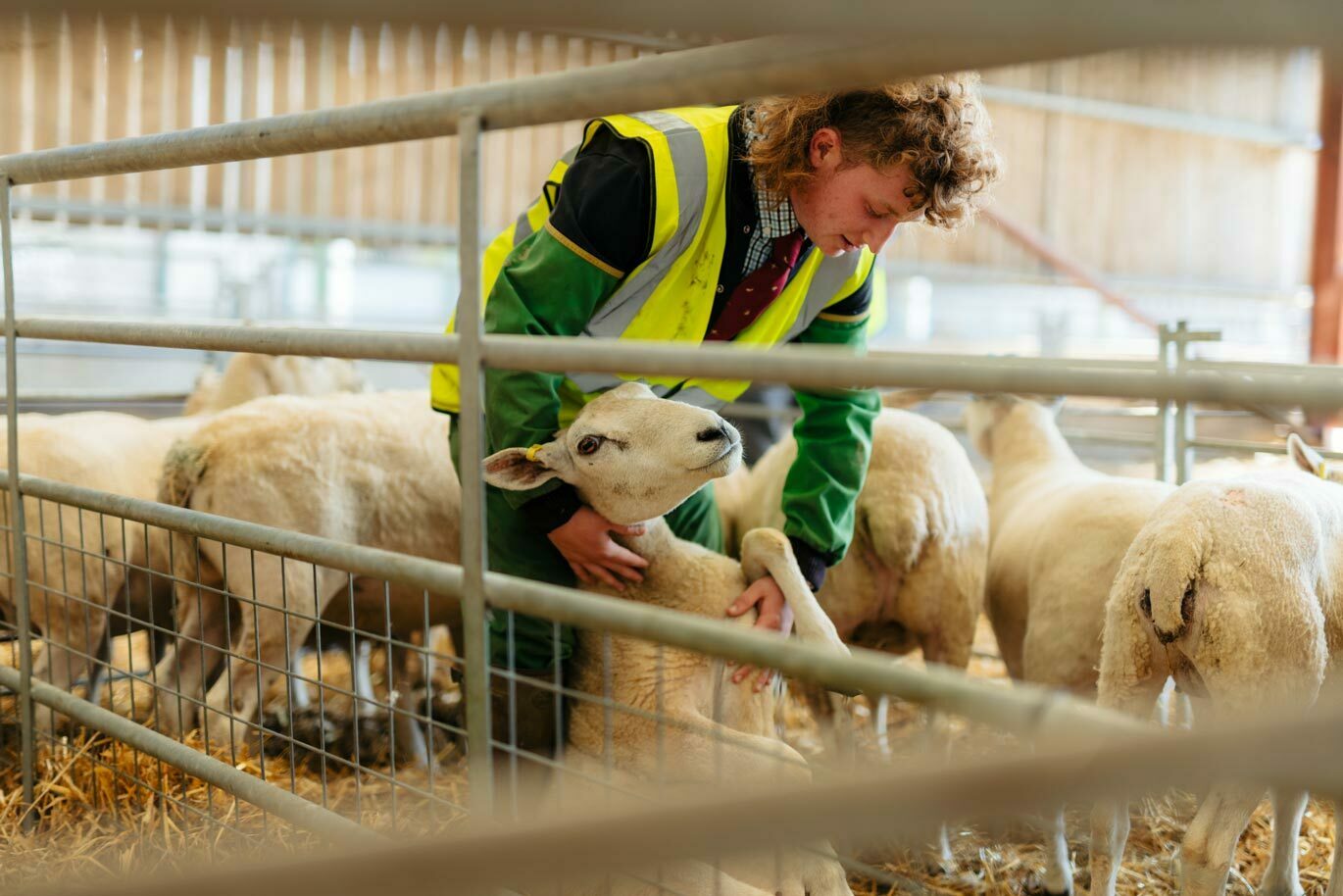
The Importance of Taking an Agriculture Course
Embarking on a career in agriculture can be a rewarding and fulfilling journey. Whether you are a seasoned farmer looking to enhance your skills or someone new to the field with a passion for sustainable food production, taking an agriculture course can provide you with valuable knowledge and practical experience.
Benefits of Studying Agriculture
**Knowledge**: Agriculture courses cover a wide range of topics, from soil science to crop management and livestock production. By enrolling in such a course, you can deepen your understanding of agricultural practices and learn about the latest innovations in the industry.
**Practical Skills**: Hands-on training is often a key component of agriculture courses. Through practical exercises and fieldwork, you can develop essential skills such as planting techniques, irrigation methods, and pest control strategies.
**Networking Opportunities**: Studying agriculture allows you to connect with like-minded individuals, including experienced farmers, agronomists, and agricultural researchers. Building a strong network within the agricultural community can open up new opportunities for collaboration and knowledge sharing.
Types of Agriculture Courses
There are various types of agriculture courses available to suit different interests and career goals:
- Diploma Courses: These programmes provide comprehensive training in agricultural practices and management.
- Degree Courses: Bachelor’s and Master’s degrees in agriculture offer in-depth knowledge of specialised areas such as agribusiness or sustainable farming.
- Short Courses: Short-term workshops or online courses are ideal for individuals seeking specific skills or wanting to explore a particular aspect of agriculture.
Conclusion
By enrolling in an agriculture course, you can gain the expertise needed to thrive in the dynamic field of agriculture. Whether you dream of starting your own farm or contributing to global food security initiatives, investing in your agricultural education is a step towards realising your goals.
Essential Tips for Excelling in Your Agriculture Course: A Comprehensive Guide
- Attend all lectures and practical sessions to gain a thorough understanding of agricultural concepts.
- Engage with professors and classmates to exchange ideas and broaden your knowledge.
- Take advantage of field trips to observe real-world agricultural practices in action.
- Stay updated on the latest advancements in agricultural technology and techniques.
- Participate in hands-on activities such as farm work or research projects to apply theoretical knowledge.
- Join relevant clubs or societies to network with professionals in the agriculture industry.
- Consider pursuing internships or work placements to gain practical experience and build your CV.
- Maintain a strong work ethic, as agriculture courses can be demanding but rewarding.
Attend all lectures and practical sessions to gain a thorough understanding of agricultural concepts.
To gain a comprehensive understanding of agricultural concepts, it is crucial to attend all lectures and practical sessions diligently. By actively participating in these educational activities, you can immerse yourself in the theoretical knowledge and hands-on experiences essential for mastering various aspects of agriculture. Engaging in lectures helps in grasping fundamental principles, while practical sessions provide valuable opportunities to apply theoretical learning in real-world scenarios, enhancing your skills and expertise in the field of agriculture. Consistent attendance and active involvement in both types of sessions are key to maximising your learning outcomes and building a strong foundation for a successful career in agriculture.
Engage with professors and classmates to exchange ideas and broaden your knowledge.
Engaging with professors and classmates in your agriculture course is a valuable opportunity to exchange ideas and expand your understanding of the subject. By actively participating in discussions, sharing perspectives, and collaborating on projects, you can gain insights from diverse viewpoints and deepen your knowledge of agricultural practices. Building strong relationships with peers and faculty members not only enhances your learning experience but also fosters a supportive community that can inspire innovation and growth in the field of agriculture.
Take advantage of field trips to observe real-world agricultural practices in action.
Taking advantage of field trips during your agriculture course is a valuable opportunity to witness real-world agricultural practices in action. By visiting farms, agricultural research centres, and other industry sites, you can gain practical insights into crop cultivation, livestock management, and sustainable farming techniques. Observing these practices firsthand not only enhances your theoretical knowledge but also allows you to see the challenges and innovations faced by farmers on a day-to-day basis. Field trips provide a unique learning experience that can inspire and inform your future career in agriculture.
Stay updated on the latest advancements in agricultural technology and techniques.
Staying updated on the latest advancements in agricultural technology and techniques is crucial for anyone pursuing an agriculture course. By keeping abreast of innovations in the industry, students can enhance their understanding of modern farming practices and equip themselves with the skills needed to adapt to a rapidly evolving agricultural landscape. From precision farming tools to sustainable irrigation methods, staying informed about cutting-edge technologies can help aspiring farmers improve efficiency, increase productivity, and contribute to the sustainability of agricultural practices.
Participate in hands-on activities such as farm work or research projects to apply theoretical knowledge.
Participating in hands-on activities, such as farm work or research projects, is a crucial aspect of an agriculture course. By applying theoretical knowledge in practical settings, students can deepen their understanding of agricultural concepts and gain valuable real-world experience. Engaging in farm work allows learners to hone essential skills like crop cultivation, livestock management, and sustainable farming practices. Similarly, involvement in research projects enables students to explore innovative solutions to agricultural challenges and contribute to the advancement of the industry. Ultimately, combining theoretical learning with hands-on experience equips individuals with the practical skills and expertise needed to succeed in the diverse field of agriculture.
Join relevant clubs or societies to network with professionals in the agriculture industry.
Joining relevant clubs or societies is a valuable tip for individuals pursuing an agriculture course. By actively participating in such groups, students can expand their professional network and connect with experienced professionals in the agriculture industry. Engaging with like-minded individuals through clubs or societies not only offers opportunities for mentorship and knowledge sharing but also opens doors to potential collaborations and career prospects. Building strong relationships within the agricultural community can provide valuable insights, support, and guidance as students navigate their academic and professional journey in the field of agriculture.
Consider pursuing internships or work placements to gain practical experience and build your CV.
Consider pursuing internships or work placements to gain practical experience and enhance your CV when undertaking an agriculture course. Internships provide invaluable hands-on training in real-world agricultural settings, allowing you to apply theoretical knowledge to practical situations. By actively participating in internships or work placements, you can develop essential skills, expand your professional network, and demonstrate your commitment to the field of agriculture. Additionally, these experiences can significantly boost your employability and set you apart as a proactive and dedicated individual in the competitive agricultural industry.
Maintain a strong work ethic, as agriculture courses can be demanding but rewarding.
It is essential to maintain a strong work ethic when undertaking an agriculture course, as the field can be demanding yet highly rewarding. By dedicating yourself to your studies and practical training, you can acquire the skills and knowledge necessary to excel in the agricultural industry. Hard work and perseverance are key to overcoming challenges and reaping the benefits of a comprehensive agriculture education.