
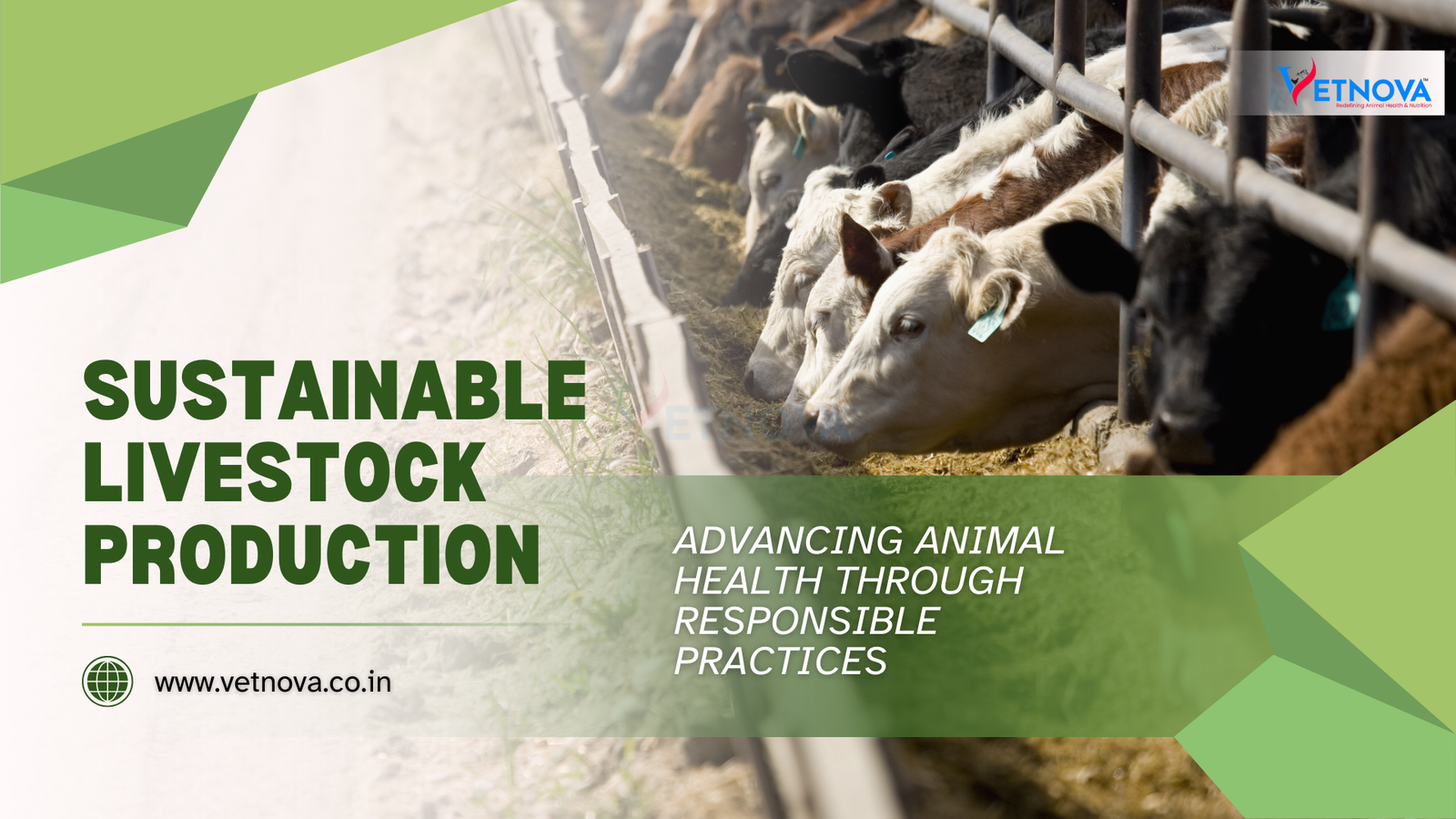
The Importance of Sustainable Animal Farming Practices
In recent years, the concept of sustainability has become increasingly important in various industries, including agriculture. When it comes to animal farming, adopting sustainable practices is crucial not only for the well-being of animals but also for the environment and future generations.
Reducing Environmental Impact
Sustainable animal farming practices focus on minimising environmental impact by implementing measures such as efficient waste management, reducing carbon emissions, and conserving natural resources. For example, using renewable energy sources, implementing water-saving techniques, and practising responsible land management can significantly reduce the ecological footprint of animal farming operations.
Promoting Animal Welfare
Ensuring the welfare of animals is a key aspect of sustainable animal farming. Providing adequate living conditions, access to pasture or outdoor spaces, and proper nutrition are essential for maintaining healthy and happy animals. By prioritising animal welfare, sustainable farmers not only improve the quality of life for their livestock but also enhance the overall sustainability of their operations.
Supporting Local Communities
Sustainable animal farming practices also benefit local communities by creating job opportunities, supporting small-scale farmers, and promoting food security. By sourcing feed locally, engaging in fair trade practices, and collaborating with nearby businesses, sustainable animal farmers contribute to the economic development and resilience of their communities.
Embracing Innovation
Embracing innovation is essential for advancing sustainable animal farming practices. From adopting precision agriculture technologies to exploring alternative feed sources and investing in renewable energy solutions, sustainable farmers continuously seek new ways to improve efficiency, reduce waste, and enhance productivity while preserving natural resources.
Conclusion
Sustainable animal farming practices play a vital role in ensuring the long-term viability of agriculture while safeguarding the environment and promoting ethical treatment of animals. By embracing sustainability principles and implementing responsible practices, farmers can create a more resilient and harmonious relationship between humans, animals, and nature.
Understanding Sustainable Animal Farming: Key Questions and Benefits
- What is sustainable animal farming?
- How do sustainable animal farming practices benefit the environment?
- What measures can be taken to promote animal welfare in sustainable farming?
- How do sustainable animal farming practices support local communities?
- What role does innovation play in sustainable animal farming practices?
- Why is it important to adopt sustainable practices in animal farming?
What is sustainable animal farming?
Sustainable animal farming refers to the practice of raising livestock in a way that meets the current needs for food production without compromising the ability of future generations to meet their own needs. It involves implementing environmentally friendly and ethical practices that promote the well-being of animals, minimise negative impacts on the environment, and support local communities. Sustainable animal farming focuses on principles such as resource conservation, animal welfare, community engagement, and innovation to ensure a balance between economic viability, social responsibility, and environmental stewardship in agricultural operations.
How do sustainable animal farming practices benefit the environment?
Sustainable animal farming practices offer numerous benefits to the environment by reducing the ecological footprint of farming operations. By implementing measures such as efficient waste management, using renewable energy sources, and practising responsible land management, sustainable farmers help minimise carbon emissions and conserve natural resources. Additionally, sustainable practices promote biodiversity conservation, soil health improvement, and water quality preservation. Overall, sustainable animal farming practices play a crucial role in mitigating environmental impact, fostering ecosystem resilience, and contributing to a more sustainable future for agriculture and the planet.
What measures can be taken to promote animal welfare in sustainable farming?
To promote animal welfare in sustainable farming, several measures can be taken. Providing animals with adequate living conditions, including access to clean water, proper shelter, and sufficient space to move and exhibit natural behaviours, is essential. Implementing regular health checks and veterinary care to ensure the well-being of the animals is crucial. Offering a balanced diet that meets their nutritional needs and minimising stress during handling and transportation are also important factors in promoting animal welfare in sustainable farming practices. Additionally, creating a positive environment that prioritises the physical and psychological needs of the animals can significantly enhance their quality of life on the farm.
How do sustainable animal farming practices support local communities?
Sustainable animal farming practices support local communities in various ways. By prioritising local sourcing of feed and resources, sustainable farmers contribute to the economic development of the community. Additionally, these practices create job opportunities and support small-scale farmers, fostering a sense of community resilience and cooperation. Through fair trade practices and collaboration with nearby businesses, sustainable animal farming operations help promote food security and strengthen the local agricultural ecosystem. Overall, sustainable animal farming practices play a crucial role in enhancing the well-being and sustainability of local communities by fostering economic growth, supporting farmers, and promoting ethical agricultural practices.
What role does innovation play in sustainable animal farming practices?
Innovation plays a crucial role in sustainable animal farming practices by driving continuous improvement and efficiency in agricultural operations. Through innovative technologies and practices, farmers can enhance productivity, reduce environmental impact, and improve animal welfare. From precision agriculture tools that optimise resource use to genetic advancements that enhance disease resistance in livestock, innovation enables farmers to address complex challenges while promoting sustainability. By embracing innovation, farmers can adapt to changing environmental conditions, meet growing food demands, and contribute to a more sustainable future for animal farming.
Why is it important to adopt sustainable practices in animal farming?
Adopting sustainable practices in animal farming is crucial for several reasons. Firstly, sustainable practices help minimise the environmental impact of farming operations by reducing carbon emissions, conserving natural resources, and promoting biodiversity. By implementing measures such as efficient waste management and responsible land use, farmers can protect ecosystems and contribute to a healthier environment. Secondly, prioritising sustainability in animal farming ensures the welfare and well-being of livestock, leading to healthier animals and higher-quality products. Additionally, sustainable practices support local communities by creating economic opportunities, promoting food security, and fostering resilience in the face of environmental challenges. Overall, embracing sustainability in animal farming is essential for safeguarding the planet, supporting ethical treatment of animals, and building a more resilient agricultural sector for future generations.