
The Importance of Sustainable Animal Farming
Sustainable animal farming plays a crucial role in ensuring the well-being of our planet and future generations. By adopting environmentally-friendly practices and ethical standards, farmers can mitigate the negative impact of animal agriculture on the environment and promote a more sustainable food system.
Reducing Environmental Impact
Traditional animal farming methods often lead to deforestation, water pollution, and greenhouse gas emissions. Sustainable animal farming focuses on reducing these environmental impacts by implementing practices such as rotational grazing, efficient waste management, and renewable energy use. By minimising resource consumption and maximising efficiency, sustainable farms help protect natural ecosystems and preserve biodiversity.
Promoting Animal Welfare
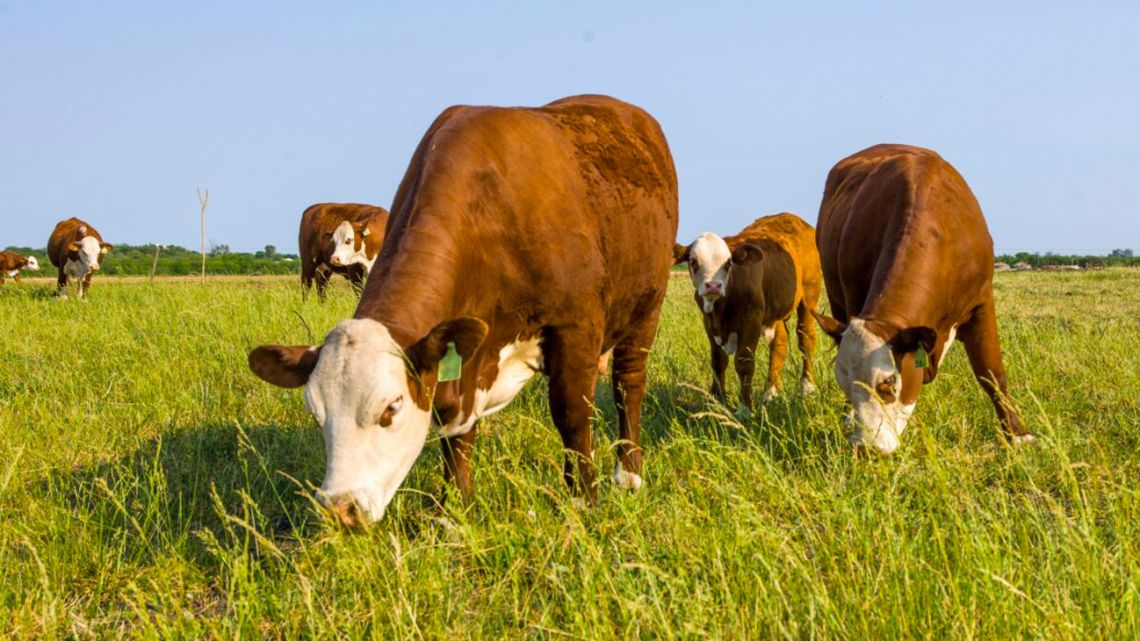
In addition to environmental benefits, sustainable animal farming prioritises the well-being of livestock. Farmers who follow ethical standards provide animals with adequate space, proper nutrition, and access to natural habitats. By treating animals humanely and ensuring their welfare is a top priority, sustainable farms create healthier and happier livestock.
Supporting Local Communities
Sustainable animal farming also has positive impacts on local communities. By supporting small-scale farmers and promoting fair trade practices, sustainable farms contribute to rural development and economic stability. Additionally, by producing high-quality products locally, sustainable farms reduce the carbon footprint associated with transportation and support local economies.
Embracing Innovation
Advancements in technology have enabled farmers to adopt innovative solutions for sustainable animal farming. From precision agriculture techniques to renewable energy systems, modern farms can operate efficiently while minimising their environmental footprint. By embracing innovation and staying informed about best practices, farmers can continue to improve sustainability in animal agriculture.
Conclusion
Sustainable animal farming is not only essential for protecting the environment but also for ensuring the long-term viability of our food system. By promoting responsible practices that benefit both animals and the planet, we can create a more sustainable future for all living beings.
Understanding Sustainable Animal Farming: Can It Be Achieved and What Does It Mean?
Can animal farming be sustainable?
When considering the question of whether animal farming can be sustainable, it is important to recognise that sustainable practices are indeed achievable in the realm of animal agriculture. By implementing environmentally-friendly methods such as rotational grazing, efficient waste management, and renewable energy use, farmers can reduce the negative impact of animal farming on the environment. Additionally, prioritising animal welfare, supporting local communities, and embracing innovation are key factors in ensuring that animal farming can be sustainable in the long term. Through a holistic approach that considers both environmental and ethical aspects, sustainable animal farming is not only possible but also essential for creating a more harmonious relationship between humans, animals, and the planet.
What is animal sustainability?
Animal sustainability refers to the practice of raising and managing animals in a way that ensures their well-being, minimises environmental impact, and supports long-term viability. It encompasses ethical treatment of livestock, conservation of natural resources, and promotion of biodiversity. Sustainable animal farming focuses on balancing the needs of animals, humans, and the environment to create a system that is resilient and harmonious. By prioritising animal welfare, reducing carbon footprint, and adopting eco-friendly practices, animal sustainability aims to meet present needs without compromising the ability of future generations to meet their own needs.