
The Importance of Sustainable Agriculture & Forest Management
Sustainable agriculture and forest management play a crucial role in preserving our environment and ensuring the well-being of future generations. By adopting sustainable practices, we can protect our natural resources, promote biodiversity, and mitigate the impact of climate change.
Sustainable Agriculture
In sustainable agriculture, farmers focus on methods that are environmentally friendly, economically viable, and socially responsible. This approach involves using techniques that conserve soil health, minimise water usage, and reduce chemical inputs. By practising crop rotation, organic farming, and integrated pest management, farmers can improve the long-term productivity of their land while safeguarding the ecosystem.
Forest Management
Effective forest management is essential for maintaining healthy ecosystems and combating deforestation. Sustainable forestry practices involve harvesting trees responsibly, protecting wildlife habitats, and restoring degraded areas. By implementing sustainable logging techniques, reforestation programmes, and conservation efforts, we can ensure that forests continue to provide essential ecosystem services such as carbon sequestration and biodiversity conservation.
The Benefits of Sustainability
Embracing sustainable agriculture and forest management offers a range of benefits for both the environment and society. By preserving natural habitats and reducing greenhouse gas emissions, we can help mitigate climate change and protect biodiversity. Sustainable practices also promote food security by ensuring a stable supply of nutritious crops while supporting local communities through fair trade initiatives.
Conclusion
In conclusion, sustainable agriculture and forest management are integral to building a more resilient and environmentally conscious future. By prioritising sustainability in our farming and forestry practices, we can create a healthier planet for current and future generations to enjoy.
Understanding Sustainable Agriculture and Forest Management: Key Concepts and Strategies
- What is the concept of SFM?
- What is the sustainable forest management?
- What do you mean by sustainable agriculture?
- What is the GEF forest strategy?
What is the concept of SFM?
The concept of Sustainable Forest Management (SFM) revolves around the responsible and balanced stewardship of forests to ensure their long-term health, productivity, and resilience. SFM aims to meet present needs for forest products while safeguarding the ecosystem’s integrity and biodiversity for future generations. It involves adopting practices that promote sustainable timber harvesting, wildlife conservation, watershed protection, and community engagement. By implementing SFM principles, forests can continue to provide essential ecological services while supporting local livelihoods and contributing to global efforts towards environmental sustainability.
What is the sustainable forest management?
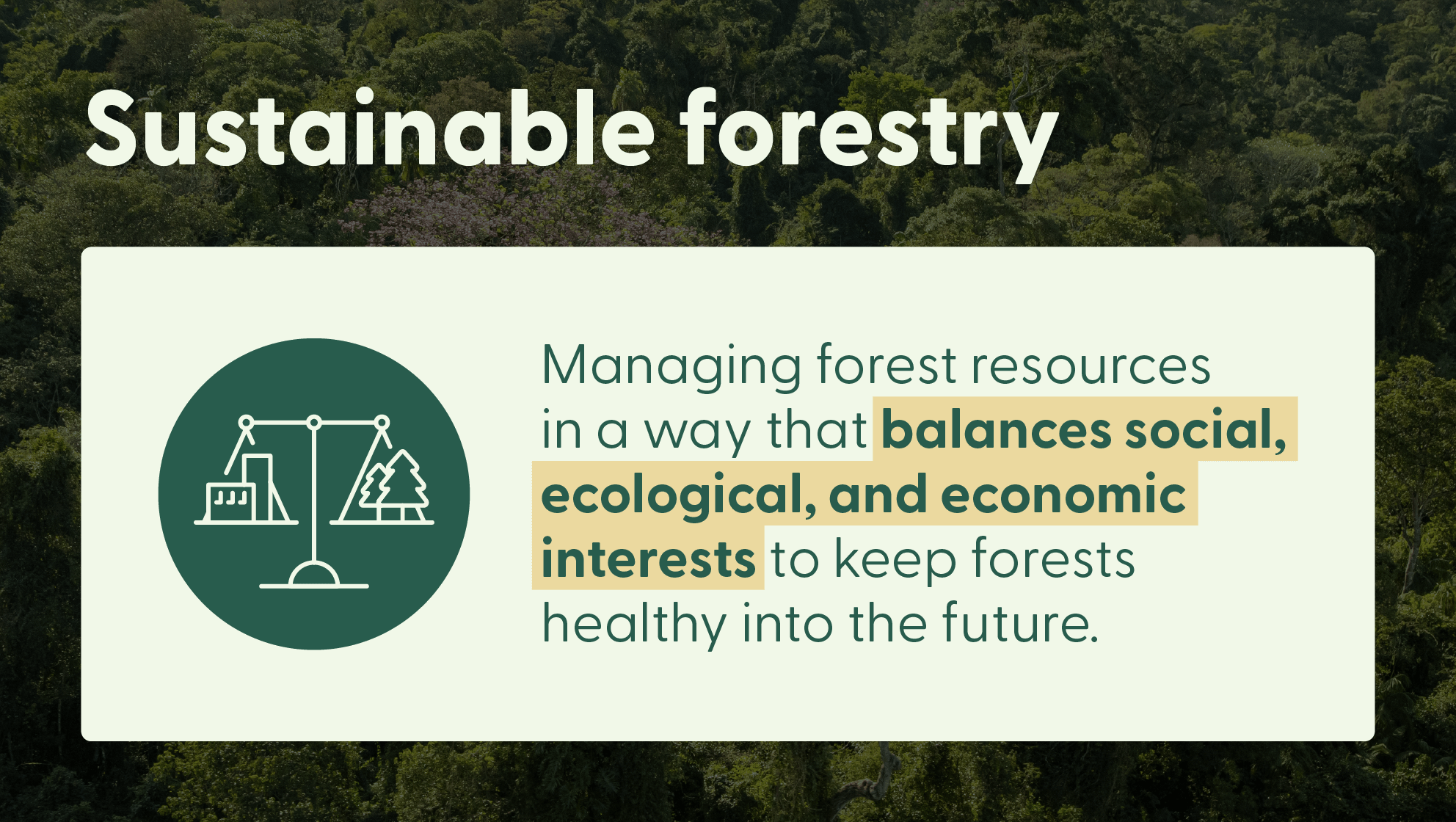
Sustainable forest management refers to the responsible stewardship of forest resources to ensure their long-term health and productivity while considering environmental, economic, and social factors. It involves implementing practices that maintain the balance between harvesting timber and preserving biodiversity, water quality, and ecosystem services. Sustainable forest management aims to promote sustainable land use, protect wildlife habitats, prevent deforestation, and support local communities that depend on forests for their livelihoods. By adopting sustainable forest management practices, we can safeguard the integrity of our forests for future generations while promoting environmental sustainability and resilience.
What do you mean by sustainable agriculture?
Sustainable agriculture refers to a farming approach that aims to meet the needs of the present without compromising the ability of future generations to meet their own needs. It involves adopting practices that are environmentally friendly, economically viable, and socially responsible. Sustainable agriculture focuses on preserving soil health, conserving water resources, reducing chemical inputs, and promoting biodiversity. By implementing techniques such as crop rotation, organic farming, and integrated pest management, sustainable agriculture seeks to enhance the resilience of agroecosystems while minimising negative impacts on the environment.
What is the GEF forest strategy?
The Global Environment Facility (GEF) forest strategy is a comprehensive approach aimed at promoting sustainable forest management practices worldwide. This strategy focuses on conserving biodiversity, reducing deforestation, and enhancing the resilience of forest ecosystems to climate change. By supporting initiatives that address the drivers of forest degradation and promote community involvement in forest conservation, the GEF forest strategy plays a crucial role in safeguarding the world’s forests for future generations.