
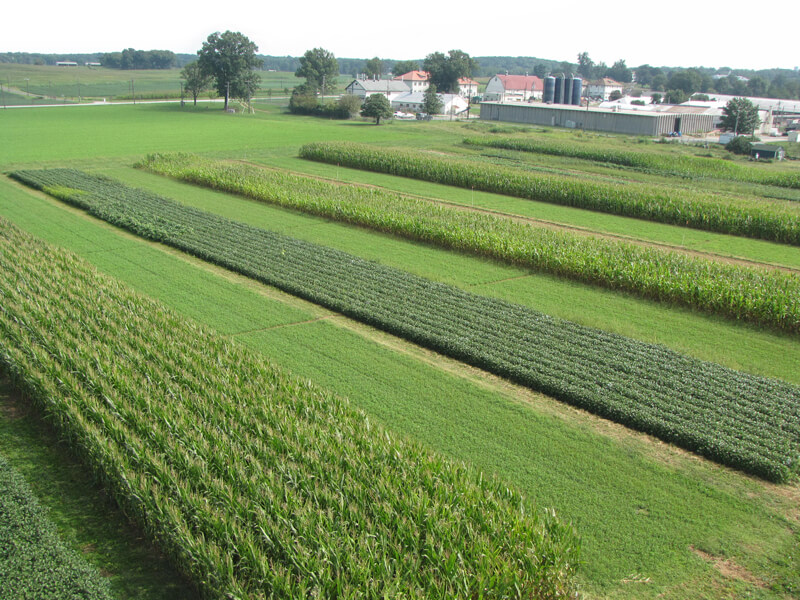
The Rise of Sustainability in Global Agriculture Through Organic Farming
In recent years, the importance of sustainability in agriculture has gained significant attention worldwide. As concerns about environmental degradation and food security continue to grow, organic farming has emerged as a key driver of sustainable agricultural practices.
Organic farming focuses on cultivating crops and raising livestock without the use of synthetic pesticides, fertilisers, or genetically modified organisms. By prioritising natural methods and biodiversity conservation, organic farmers promote soil health, reduce water pollution, and support wildlife habitats.
One of the primary benefits of organic farming is its positive impact on the environment. By avoiding chemical inputs that can harm ecosystems and water sources, organic farmers help preserve biodiversity and protect natural resources for future generations. Additionally, organic practices often lead to lower greenhouse gas emissions compared to conventional agriculture.
Furthermore, organic farming promotes sustainable food production by prioritising the use of renewable resources and minimising waste. Many organic farms implement practices such as crop rotation, composting, and integrated pest management to enhance soil fertility and reduce reliance on external inputs.
On a global scale, the adoption of organic farming is contributing to a more resilient and sustainable agricultural system. By supporting local economies, promoting biodiversity conservation, and providing healthier food choices for consumers, organic agriculture is playing a crucial role in shaping the future of food production.
As consumer awareness about sustainability grows, demand for organic products continues to rise. This trend not only benefits farmers who adopt organic practices but also encourages broader adoption of environmentally friendly farming methods across different regions.
In conclusion, sustainability in global agriculture is increasingly driven by the principles of organic farming. Through its focus on environmental stewardship, resource efficiency, and community well-being, organic agriculture offers a promising pathway towards a more sustainable future for our planet’s food systems.
Six Essential Tips for Enhancing Global Agricultural Sustainability Through Organic Farming
- Use natural fertilizers like compost and manure to enrich the soil without harmful chemicals.
- Rotate crops regularly to maintain soil fertility and prevent depletion of nutrients.
- Practice water conservation techniques such as drip irrigation to reduce water wastage.
- Promote biodiversity by planting a variety of crops to support natural ecosystems and reduce reliance on pesticides.
- Implement integrated pest management strategies to control pests using environmentally friendly methods.
- Support local organic farmers and buy organic produce to encourage sustainable agricultural practices.
Use natural fertilizers like compost and manure to enrich the soil without harmful chemicals.
Using natural fertilizers such as compost and manure is a sustainable practice that plays a vital role in promoting organic farming and enhancing soil health. By opting for these organic alternatives instead of synthetic chemicals, farmers can enrich the soil with essential nutrients while avoiding harmful impacts on the environment. Compost and manure not only provide plants with the nourishment they need to thrive but also help improve soil structure, retain moisture, and support beneficial microbial activity. This eco-friendly approach not only benefits crop yields but also contributes to long-term sustainability by reducing reliance on chemical inputs and fostering a healthier ecosystem for future generations.
Rotate crops regularly to maintain soil fertility and prevent depletion of nutrients.
To ensure sustainable practices in global agriculture driven by organic farming, it is crucial to rotate crops regularly. Crop rotation helps maintain soil fertility by preventing the depletion of essential nutrients. By alternating the types of crops grown in a particular area over different seasons, organic farmers can improve soil health, reduce the risk of pest and disease buildup, and enhance overall crop productivity. This simple yet effective technique not only benefits the immediate yield but also contributes to long-term sustainability by preserving soil quality for future generations.
Practice water conservation techniques such as drip irrigation to reduce water wastage.
Implementing water conservation techniques, such as drip irrigation, is a crucial step in promoting sustainability in global agriculture through organic farming. By utilising drip irrigation systems, farmers can deliver water directly to the roots of plants, minimising evaporation and runoff. This targeted approach not only reduces water wastage but also helps optimise water use efficiency, ensuring that crops receive adequate moisture while conserving this precious resource. Embracing practices like drip irrigation demonstrates a commitment to sustainable agriculture and plays a vital role in mitigating water scarcity challenges faced by farming communities worldwide.
Promote biodiversity by planting a variety of crops to support natural ecosystems and reduce reliance on pesticides.
Promoting biodiversity in agriculture through the strategic planting of a diverse range of crops is a key sustainability tip that aligns with the principles of organic farming. By cultivating a variety of crops, farmers can create a more resilient ecosystem that supports natural pollinators, beneficial insects, and soil microbes. This approach not only helps to reduce the reliance on synthetic pesticides but also enhances soil health and fertility. Diversifying crop plantings contributes to a more balanced and sustainable agricultural system, fostering biodiversity and ecosystem resilience while promoting long-term sustainability in global agriculture.
Implement integrated pest management strategies to control pests using environmentally friendly methods.
To enhance sustainability in global agriculture driven by organic farming, it is essential to implement integrated pest management strategies that control pests using environmentally friendly methods. By adopting practices such as crop rotation, natural predators, and habitat manipulation, organic farmers can effectively manage pest populations without relying on harmful chemical pesticides. Integrated pest management not only helps protect crops from damage but also promotes a balanced ecosystem that supports biodiversity and long-term soil health. This approach aligns with the principles of organic farming, contributing to a more sustainable agricultural system that minimises environmental impact while ensuring productive and resilient food production.
Support local organic farmers and buy organic produce to encourage sustainable agricultural practices.
Supporting local organic farmers by purchasing organic produce is a powerful way to promote sustainability in global agriculture. By choosing organic products, consumers not only enjoy high-quality, nutritious food but also contribute to the growth of a more environmentally friendly farming industry. Buying from local organic farmers helps reduce food miles, supports the local economy, and encourages the adoption of sustainable agricultural practices. This simple act of conscious consumerism can have a significant impact on promoting a more sustainable and resilient food system for future generations.