
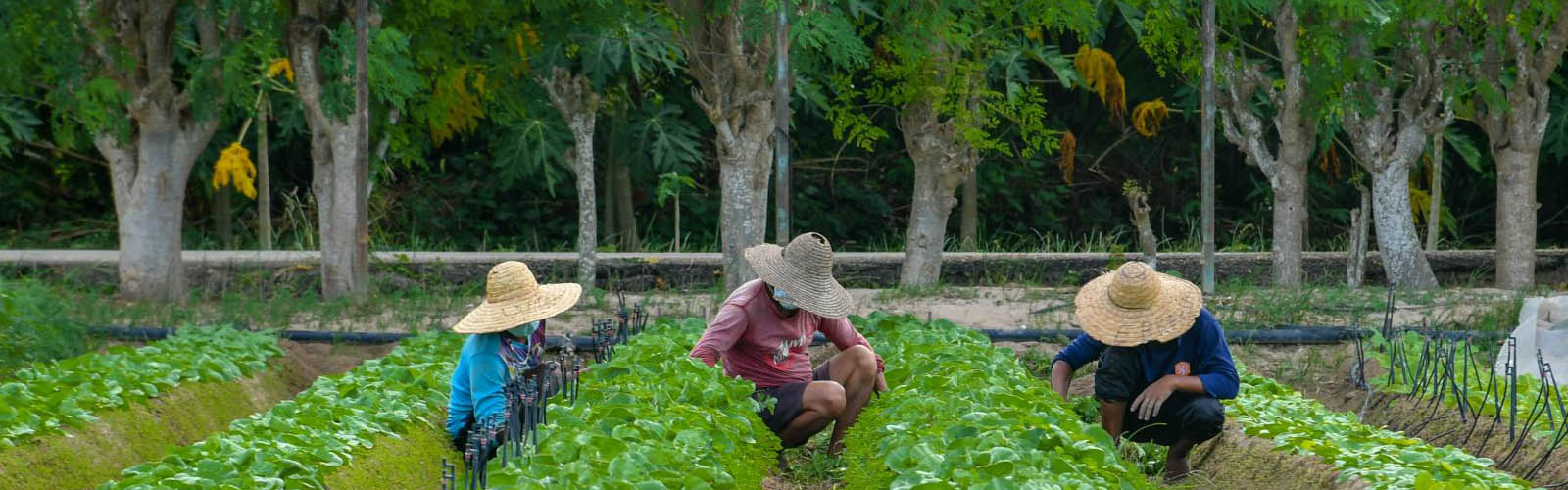
Promoting Sustainable Practices in Farming
Farming provides the food, fibre and other resources communities rely on, but it also depends on healthy soil, clean water and thriving ecosystems. Promoting sustainable practices can help farmers protect these resources while building resilient businesses and supporting food production for the future.
What Does Sustainable Farming Mean?
Sustainable farming aims to produce food in ways that care for the environment, support viable livelihoods and contribute to strong rural communities. There is no single approach that suits every farm. The best choices depend on factors such as the local climate, soil type, available resources and the crops or livestock being raised.
Care for Soil and Water
Healthy soil is the foundation of productive farming. Practices such as cover cropping, crop rotation and reduced soil disturbance can help maintain soil structure, support beneficial organisms and reduce erosion. Adding organic matter, where appropriate, can also improve the soil’s ability to retain water and nutrients.
Careful water management is equally important. Efficient irrigation, rainwater storage and maintaining vegetation beside waterways can help reduce water use and limit the movement of soil and nutrients into rivers and streams.
Encourage Biodiversity
Farms are part of wider landscapes, and biodiversity can benefit both nature and agricultural production. Hedgerows, field margins, ponds and diverse planting can provide food and shelter for pollinators, birds and other wildlife. Growing a wider range of crops can also make a farm less reliant on a single harvest and help spread production risks.
Use Inputs Responsibly
Fertilisers, pesticides and medicines can have a role in farming, but using them carefully helps reduce costs and limit potential impacts on the environment. Regular monitoring, accurate application and integrated pest management can help farmers make informed decisions. This approach may include crop rotation, choosing resistant varieties and encouraging natural pest predators alongside other suitable controls.
Support Animal Health and Welfare
For livestock farms, sustainable practice includes providing appropriate nutrition, clean water, suitable shelter and good veterinary care. Preventing illness through sound husbandry can benefit animal welfare and help reduce the need for treatments. Grazing systems should also be managed to avoid overgrazing and allow pasture time to recover.
Reduce Waste and Energy Use
Making better use of materials can improve efficiency across a farm. Composting suitable organic waste, maintaining equipment and improving energy efficiency are practical steps. Some farms may also be able to generate renewable energy, depending on their location, infrastructure and investment options.
Make Progress That Works Locally
Adopting sustainable practices is often a gradual process. Farmers can begin by identifying the issues that matter most on their land, setting realistic goals and tracking results over time. Advice from agricultural specialists, local organisations and other farmers can help inform decisions and share useful experience.
A Stronger Future for Farming
Sustainable farming is not about applying one fixed method everywhere. It is about making thoughtful choices that suit local conditions and balancing production with care for natural resources and communities. By investing in healthy soils, responsible resource use and biodiversity, farmers can help strengthen their businesses and contribute to a more resilient food system.
Eight Benefits of Promoting Sustainable Farming Practices: Ensuring Soil Health, Biodiversity, and Long-Term Resilience
- Protects soil health and reduces erosion.
- Conserves water and improves its efficient use.
- Supports biodiversity and pollinator populations.
- Can reduce reliance on chemical inputs.
- Helps farms adapt to changing weather conditions.
- Reduces waste and makes better use of resources.
- Promotes healthier livestock and better animal welfare.
- Builds resilient farms and supports long-term food production.
Challenges of Promoting Sustainable Farming Practices: Costs, Labour, and Variable Outcomes
- Can require high upfront investment.
- May increase labour and training needs.
- Benefits can take time to appear.
- Some methods may reduce yields initially.
- Specialist equipment may be costly or unavailable.
- Results can vary with local conditions.
Protects soil health and reduces erosion.
Sustainable farming practices help protect soil health by maintaining its structure, fertility and ability to retain water. Techniques such as cover cropping, crop rotation and reduced tillage keep soil covered and minimise disturbance, reducing the risk of erosion by wind and rain. Healthier, more stable soil supports productive crops, while preventing valuable topsoil from washing or blowing away helps safeguard the farm’s long-term productivity.
Conserves water and improves its efficient use.
Promoting sustainable practices in farming helps conserve water and use it more efficiently. Techniques such as drip irrigation, rainwater harvesting and soil-covering crops can reduce evaporation and deliver water where it is needed most. By monitoring soil moisture and choosing crops suited to local conditions, farmers can avoid unnecessary watering, protect water supplies and support healthy harvests, even during periods of drought.
Supports biodiversity and pollinator populations.
Promoting sustainable farming practices can support biodiversity by creating healthier, more varied habitats across the landscape. Planting wildflower margins, maintaining hedgerows and reducing unnecessary pesticide use can provide food and shelter for bees, butterflies and other pollinators. These species play an important role in the pollination of many crops and wild plants, helping to sustain productive farms and resilient ecosystems.
Can reduce reliance on chemical inputs.
Promoting sustainable farming practices can reduce reliance on chemical inputs such as synthetic fertilisers and pesticides. Crop rotation, healthy soils, careful monitoring and encouraging natural pest predators can help manage nutrients and pests more effectively. Using fewer chemicals where appropriate may lower costs and reduce the risk of pollution, while supporting a healthier farm environment.
Helps farms adapt to changing weather conditions.
Sustainable farming practices can help farms adapt to changing weather conditions by improving soil structure and water retention, reducing erosion and supporting greater biodiversity. Techniques such as cover cropping, crop rotation and efficient irrigation can make land more resilient to drought, heavy rainfall and shifting growing seasons. While no approach can prevent the effects of extreme weather, building healthier soils and more diverse farming systems can help protect crops, livestock and farm businesses over time.
Reduces waste and makes better use of resources.
Promoting sustainable practices in farming helps reduce waste and make better use of valuable resources such as water, energy and fertiliser. Careful planning, efficient irrigation, soil management and reusing suitable organic materials can help farms get more from what they already have, while reducing unnecessary costs and environmental impact. This can make farm businesses more efficient and resilient over time.
Promotes healthier livestock and better animal welfare.
Promoting sustainable practices in farming can support healthier livestock and better animal welfare. Providing animals with suitable shelter, clean water, nutritious feed and enough space to express natural behaviours helps reduce stress and prevent illness. Good pasture management and regular veterinary care can further improve their health, while preventative approaches may reduce the need for treatments. Together, these practices benefit animals and can contribute to more resilient, responsible farms.
Builds resilient farms and supports long-term food production.
Promoting sustainable practices helps farms become more resilient to challenges such as extreme weather, soil degradation and changing input costs. By caring for soil and water, diversifying crops and using resources efficiently, farmers can protect their land’s productivity and reduce reliance on costly inputs. These benefits support stronger farm businesses and help maintain reliable food production for the long term.
Can require high upfront investment.
Promoting sustainable practices in farming can require a high upfront investment, which may be difficult for farmers with limited cash flow or access to finance. Equipment, infrastructure and new systems—such as efficient irrigation, renewable energy or improved waste management—can be costly to install, while the benefits may take time to materialise. Grants, affordable loans and practical advice can help farmers manage these costs and make the transition more achievable.
May increase labour and training needs.
Promoting sustainable practices in farming can increase labour and training needs, particularly when farmers introduce unfamiliar methods or change established routines. Practices such as crop rotation, careful pest monitoring and managing cover crops may require more planning and hands-on work, while staff may need training to use new equipment or follow different procedures. These demands can add pressure during busy periods and increase costs, especially for smaller farms with limited time and resources.
Benefits can take time to appear.
One challenge of promoting sustainable farming practices is that the benefits can take time to appear. Improvements in soil health, biodiversity and water quality may develop gradually, while the costs of new equipment, training or changed methods can arise straight away. This delay can make it harder for farmers to see an immediate return on their investment, so clear guidance, realistic expectations and longer-term support are important.
Some methods may reduce yields initially.
Some sustainable farming methods, such as changing crop rotations, reducing chemical inputs or allowing soil to recover, may lead to lower yields at first. Farmers may need time to learn new techniques, adapt equipment and improve soil health before seeing the benefits. This transition can also affect income, particularly where costs remain high or markets do not reward sustainably produced food. Careful planning, expert guidance and suitable financial support can help farms manage the adjustment.
Specialist equipment may be costly or unavailable.
Adopting sustainable farming practices can require specialist equipment, which may be costly to buy, maintain or adapt for a particular farm. Smaller farms can find the upfront expense especially difficult to manage, while equipment may be unavailable locally or have long delivery times. These barriers can delay changes and make it harder for farmers to benefit from more sustainable methods.
Results can vary with local conditions.
The results of sustainable farming practices can vary considerably depending on local conditions. Soil type, climate, water availability, landscape and the crops or livestock involved all influence how well a particular method works. A practice that improves yields or reduces costs on one farm may be less effective—or require changes—on another. Farmers may therefore need to adapt recommendations to their own circumstances, seek local advice and allow time to assess the results.