
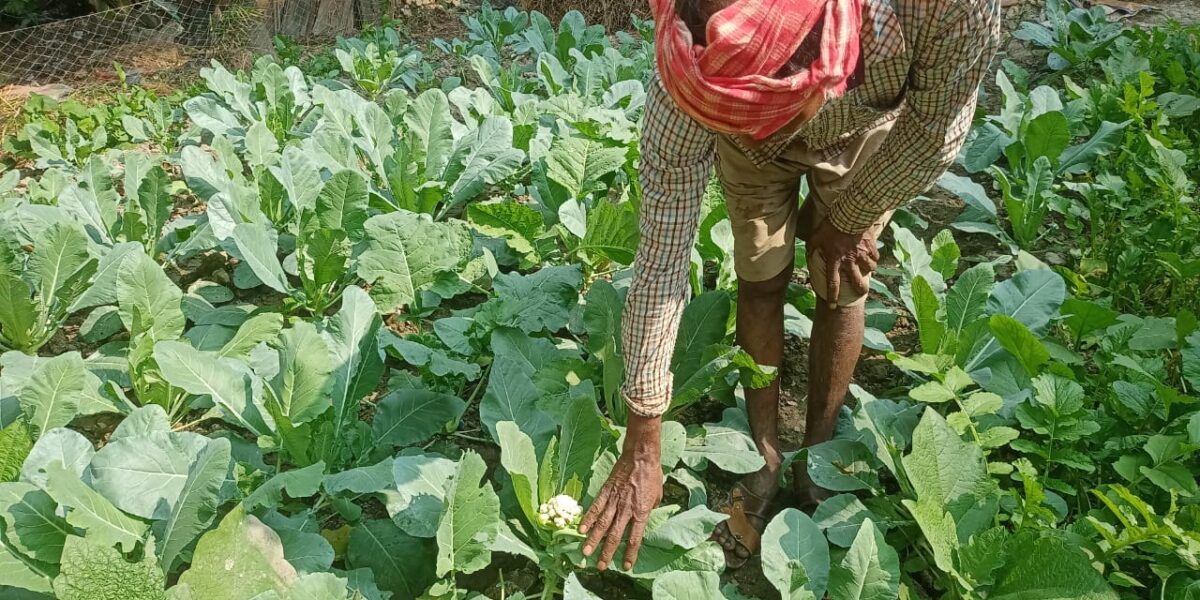
The Importance of Promoting Sustainable Agriculture
Sustainable agriculture is crucial for the future of our planet. By implementing environmentally-friendly practices, we can ensure the long-term viability of our food production systems while preserving natural resources for future generations.
Benefits of Sustainable Agriculture
Sustainable agriculture helps to protect soil health, prevent water pollution, and reduce greenhouse gas emissions. By using organic fertilisers, crop rotation, and integrated pest management techniques, farmers can maintain the fertility of their land without relying on harmful chemicals.
Promoting Biodiversity
One of the key principles of sustainable agriculture is promoting biodiversity. By planting a variety of crops and creating habitats for beneficial insects and wildlife, farmers can improve ecosystem resilience and reduce the need for synthetic pesticides.
Supporting Local Communities
Sustainable agriculture also benefits local communities by providing healthier food options, supporting small-scale farmers, and creating opportunities for economic development. By buying locally-produced food, consumers can help reduce their carbon footprint and support sustainable farming practices.
Challenges and Solutions
While transitioning to sustainable agriculture may pose challenges for some farmers, there are many resources available to help them make the switch. Government incentives, agricultural extension services, and farmer cooperatives can provide support and guidance to those looking to adopt more sustainable practices.
Get Involved
If you are passionate about promoting sustainable agriculture, there are many ways to get involved. Support local farmers markets, join community-supported agriculture programmes, or volunteer with organisations that promote sustainable farming practices. Together, we can create a more sustainable future for agriculture and our planet.
Exploring Sustainable Agriculture: Key Concepts, Promotion Strategies in India, and How to Contribute
- What is the key to sustainable agriculture?
- What do you mean by sustainable agriculture?
- How to promote sustainable agriculture in India?
- How to contribute to sustainable agriculture?
What is the key to sustainable agriculture?
The key to sustainable agriculture lies in adopting practices that maintain the balance between environmental health, economic profitability, and social well-being. By prioritising techniques such as crop rotation, integrated pest management, conservation tillage, and water conservation, farmers can reduce their impact on the environment while ensuring long-term productivity. Additionally, promoting biodiversity, minimising chemical inputs, and investing in soil health are essential components of sustainable agriculture. Through a holistic approach that considers the interconnectedness of farming systems and natural ecosystems, we can pave the way for a more sustainable future in agriculture.
What do you mean by sustainable agriculture?
Sustainable agriculture refers to a holistic approach to farming that aims to meet the current needs of food production while preserving the environment and resources for future generations. It involves practices that promote soil health, conserve water, protect biodiversity, and reduce the use of synthetic inputs like pesticides and fertilisers. Sustainable agriculture also focuses on maintaining the long-term viability of farming systems, supporting local communities, and mitigating climate change impacts. By adopting sustainable agricultural methods, farmers can ensure the resilience and productivity of their land while minimising negative environmental effects.
How to promote sustainable agriculture in India?
Promoting sustainable agriculture in India requires a multi-faceted approach that addresses the unique challenges faced by farmers in the country. Key strategies include promoting organic farming practices, implementing water conservation techniques, encouraging crop diversification, and providing training and support to farmers on sustainable agricultural methods. Additionally, policymakers can play a crucial role by offering incentives for sustainable farming practices, investing in agricultural research and development, and creating policies that support environmentally-friendly agriculture. Collaboration between government agencies, non-profit organisations, farmers’ groups, and the private sector is essential to drive widespread adoption of sustainable agriculture practices across India.
How to contribute to sustainable agriculture?
To contribute to sustainable agriculture, individuals can make a difference by supporting local farmers who practice sustainable methods, choosing organic and locally-produced foods, reducing food waste, and educating themselves about the impact of their food choices on the environment. By making conscious decisions to support sustainable agriculture practices, consumers can play a vital role in promoting a more environmentally-friendly and resilient food system for future generations.