
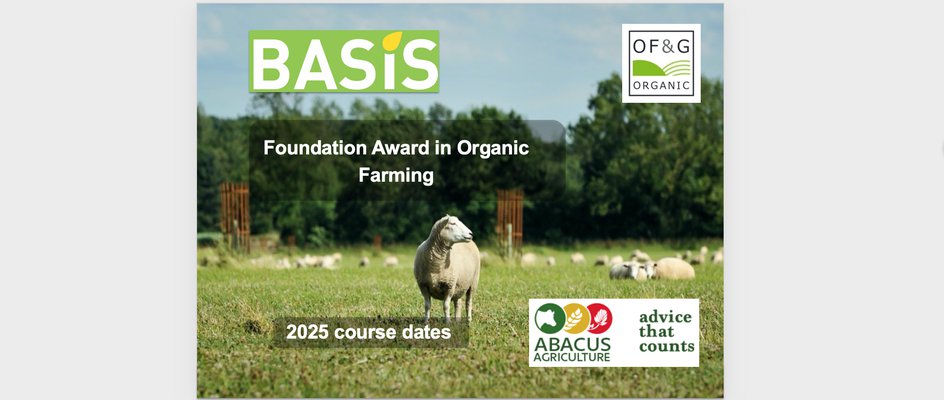
Organic Farming Courses: Cultivating Sustainability
Organic farming has gained significant traction in recent years as consumers increasingly seek out sustainable and environmentally-friendly food options. With the growing demand for organic produce, the need for skilled organic farmers is on the rise. Organic farming courses offer individuals the opportunity to learn about sustainable agricultural practices and gain hands-on experience in cultivating organic crops.
The Importance of Organic Farming Courses
Organic farming goes beyond simply avoiding synthetic pesticides and fertilisers. It involves a holistic approach to agriculture that focuses on enhancing soil health, promoting biodiversity, and minimising environmental impact. Organic farming courses provide students with the knowledge and skills needed to implement these practices effectively.
What You Can Learn
Participants in organic farming courses can expect to learn about a wide range of topics, including:
- The principles of organic farming
- Soil health and fertility management
- Natural pest and disease control methods
- Crop rotation and companion planting techniques
- Composting and waste management
- Certification requirements for organic produce
The Benefits of Organic Farming Education
By enrolling in organic farming courses, individuals can gain practical skills that are essential for success in the field of sustainable agriculture. Whether you are a novice looking to start your own organic farm or an experienced farmer seeking to transition to organic practices, these courses can provide valuable insights and resources to help you achieve your goals.
Join the Organic Farming Movement
If you are passionate about sustainable agriculture and want to make a positive impact on the environment, consider enrolling in an organic farming course today. By learning how to cultivate crops without harming the planet, you can play a vital role in promoting a more sustainable future for agriculture.
Essential Tips for Choosing the Right Organic Farming Course in the UK
- Look for accredited organic farming courses to ensure quality education.
- Consider the course duration and schedule to fit it into your routine.
- Check if the course covers various aspects of organic farming such as soil health, crop rotation, and pest management.
- Explore practical training opportunities offered in the course to gain hands-on experience.
- Research the instructors’ background and expertise in organic farming before enrolling in a course.
- Join online forums or communities related to organic farming to stay updated and network with like-minded individuals.
Look for accredited organic farming courses to ensure quality education.
When considering enrolling in organic farming courses, it is essential to look for accredited programmes to guarantee a high standard of education. Accredited courses have been evaluated and approved by relevant governing bodies, ensuring that the curriculum meets industry standards and provides students with quality instruction. By choosing accredited organic farming courses, individuals can be confident that they are receiving a comprehensive and reputable education that will equip them with the necessary knowledge and skills to succeed in sustainable agriculture practices.
Consider the course duration and schedule to fit it into your routine.
When exploring organic farming courses, it is essential to consider the course duration and schedule to ensure it aligns with your routine. Understanding the time commitment required for the course and how it fits into your schedule will help you plan effectively and make the most of your learning experience. Whether you are balancing work, family commitments, or other responsibilities, choosing a course with a duration and schedule that accommodate your lifestyle will enable you to fully engage with the material and apply your newfound knowledge to practical situations in organic farming.
Check if the course covers various aspects of organic farming such as soil health, crop rotation, and pest management.
When considering enrolling in an organic farming course, it is essential to check if the curriculum covers a comprehensive range of topics. Look for courses that delve into crucial aspects of organic farming, including soil health maintenance, effective crop rotation techniques, and sustainable pest management practices. Understanding these fundamental principles is key to successfully implementing organic farming methods and cultivating healthy, environmentally-friendly crops.
Explore practical training opportunities offered in the course to gain hands-on experience.
Explore practical training opportunities offered in organic farming courses to gain valuable hands-on experience. By getting involved in on-the-field activities such as soil preparation, planting, and harvesting, participants can deepen their understanding of sustainable farming practices and develop essential skills for successful organic farming. Practical training not only enhances theoretical knowledge but also instils confidence in applying organic techniques effectively in real-world agricultural settings. Embrace these hands-on opportunities to immerse yourself in the world of organic farming and cultivate a sustainable future for agriculture.
Research the instructors’ background and expertise in organic farming before enrolling in a course.
Before enrolling in an organic farming course, it is advisable to research the instructors’ background and expertise in organic farming. Understanding their experience and knowledge in sustainable agricultural practices can provide valuable insights into the quality of education you will receive. By ensuring that the instructors have a solid foundation in organic farming, you can make informed decisions about which course will best suit your learning needs and help you cultivate a deeper understanding of sustainable agriculture.
Join online forums or communities related to organic farming to stay updated and network with like-minded individuals.
Joining online forums or communities dedicated to organic farming is a valuable tip for individuals looking to enhance their knowledge and network within the industry. By participating in these online platforms, you can stay updated on the latest trends, techniques, and resources in organic farming. Furthermore, connecting with like-minded individuals allows you to share experiences, seek advice, and build relationships with fellow enthusiasts who share your passion for sustainable agriculture. Networking through online forums can open doors to new opportunities, collaborations, and valuable insights that can further enrich your journey in organic farming.