
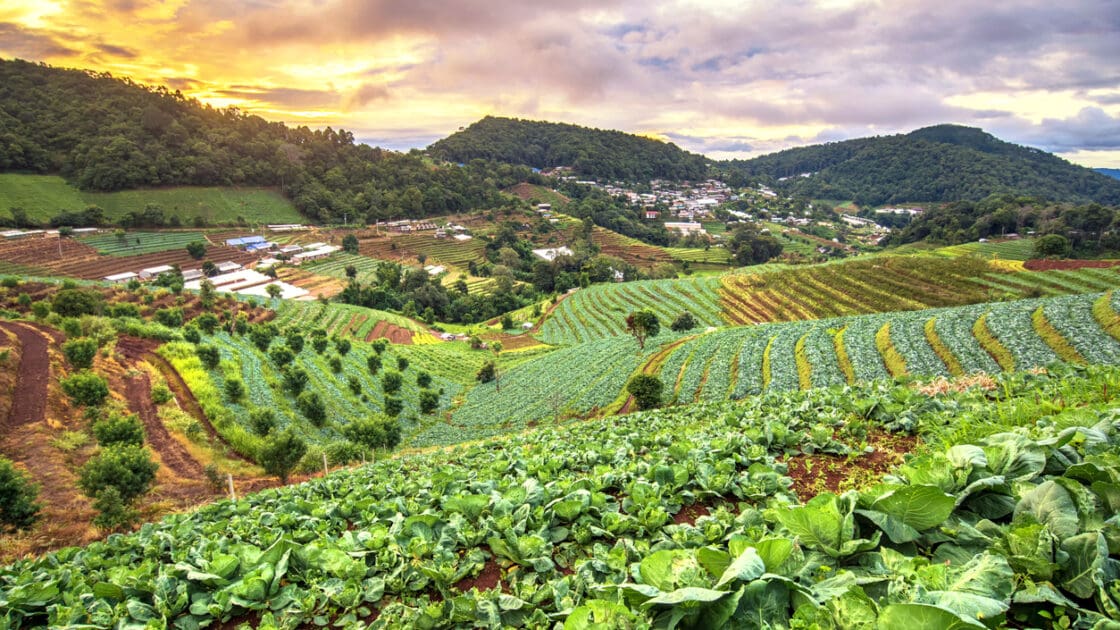
The Importance of Organic and Sustainable Farming
Organic and sustainable farming practices are essential for the health of our planet and future generations. By prioritising environmental conservation, biodiversity, and soil health, organic farming offers a more sustainable alternative to conventional agriculture.
Benefits of Organic Farming
Organic farming eliminates the use of synthetic pesticides, herbicides, and fertilisers that can harm ecosystems and human health. Instead, organic farmers rely on natural methods such as crop rotation, composting, and biological pest control to maintain soil fertility and manage pests.
Furthermore, organic farming promotes biodiversity by creating habitats for beneficial insects, birds, and other wildlife. This diversity helps to maintain a balanced ecosystem and reduces the reliance on chemical inputs.
Sustainability in Agriculture
Sustainable farming goes beyond organic practices by considering the long-term impact of agricultural activities on the environment, society, and economy. Sustainable farmers aim to minimise waste, conserve water resources, and reduce carbon emissions through efficient practices such as water recycling, agroforestry, and renewable energy use.
By adopting sustainable farming methods, farmers can mitigate climate change effects, improve soil quality, and protect natural resources for future generations. Sustainable agriculture also promotes fair labour practices and supports local communities by fostering economic resilience.
Challenges and Opportunities
While organic and sustainable farming offer numerous benefits, there are challenges to widespread adoption. These include higher initial costs for transitioning to organic practices, limited access to markets for organic produce, and the need for continuous education and research in sustainable agriculture.
However, with increasing consumer demand for healthy food options and environmentally friendly products, there is a growing opportunity for farmers to embrace organic and sustainable practices. Government support through subsidies and incentives can also help facilitate the transition towards more sustainable agriculture.
In Conclusion
Organic and sustainable farming play a crucial role in ensuring food security, protecting natural ecosystems, and promoting a healthier planet. By supporting farmers who adopt these practices and educating consumers about their benefits, we can create a more resilient agricultural system that sustains both people and the environment.
Five Essential Tips for Organic and Sustainable Farming Practices
- Use natural fertilizers like compost and manure to enrich the soil.
- Practice crop rotation to maintain soil health and reduce pest infestations.
- Avoid synthetic pesticides and opt for natural pest control methods like beneficial insects or companion planting.
- Conserve water by using drip irrigation systems and rainwater harvesting techniques.
- Support biodiversity by planting native species, creating wildlife habitats, and avoiding monoculture farming.
Use natural fertilizers like compost and manure to enrich the soil.
Using natural fertilizers such as compost and manure is a fundamental tip in organic and sustainable farming. These organic materials not only provide essential nutrients to the soil but also improve its structure and water retention capacity. By enriching the soil with compost and manure, farmers can promote healthy plant growth without relying on synthetic chemicals that may harm the environment. This practice not only enhances soil fertility but also contributes to biodiversity and overall ecosystem health, making it a key aspect of sustainable agriculture practices.
Practice crop rotation to maintain soil health and reduce pest infestations.
Implementing crop rotation is a fundamental practice in organic and sustainable farming that contributes to maintaining soil health and minimising pest infestations. By rotating crops seasonally, farmers can prevent nutrient depletion, control weed growth, and disrupt the life cycles of pests that target specific plants. This method not only enhances soil fertility but also reduces the need for chemical pesticides, promoting a more balanced and eco-friendly agricultural system.
Avoid synthetic pesticides and opt for natural pest control methods like beneficial insects or companion planting.
To promote organic and sustainable farming practices, it is advisable to refrain from using synthetic pesticides and instead opt for natural pest control methods. By incorporating beneficial insects or companion planting techniques, farmers can effectively manage pests without harming the environment or compromising soil health. Embracing these natural solutions not only supports biodiversity but also contributes to a more resilient and eco-friendly agricultural system that prioritises the well-being of both crops and the surrounding ecosystem.
Conserve water by using drip irrigation systems and rainwater harvesting techniques.
To promote water conservation in organic and sustainable farming, farmers can implement drip irrigation systems and rainwater harvesting techniques. Drip irrigation delivers water directly to the roots of plants, reducing wastage and ensuring efficient water use. By capturing and storing rainwater through harvesting methods, farmers can supplement their irrigation needs without relying solely on freshwater sources. These practices not only help conserve water resources but also contribute to sustainable farming by promoting efficient water management and reducing environmental impact.
Support biodiversity by planting native species, creating wildlife habitats, and avoiding monoculture farming.
Supporting biodiversity is a key aspect of organic and sustainable farming practices. By planting native species, creating wildlife habitats, and avoiding monoculture farming, farmers can contribute to a healthier ecosystem. Native plant species attract beneficial insects and birds, helping to control pests naturally and maintain a balanced environment. Creating wildlife habitats provides shelter and food for various species, promoting biodiversity on the farm. Additionally, avoiding monoculture farming reduces the risk of crop diseases and enhances soil health by diversifying plant species. Overall, prioritising biodiversity in farming practices leads to a more resilient and sustainable agricultural system.