
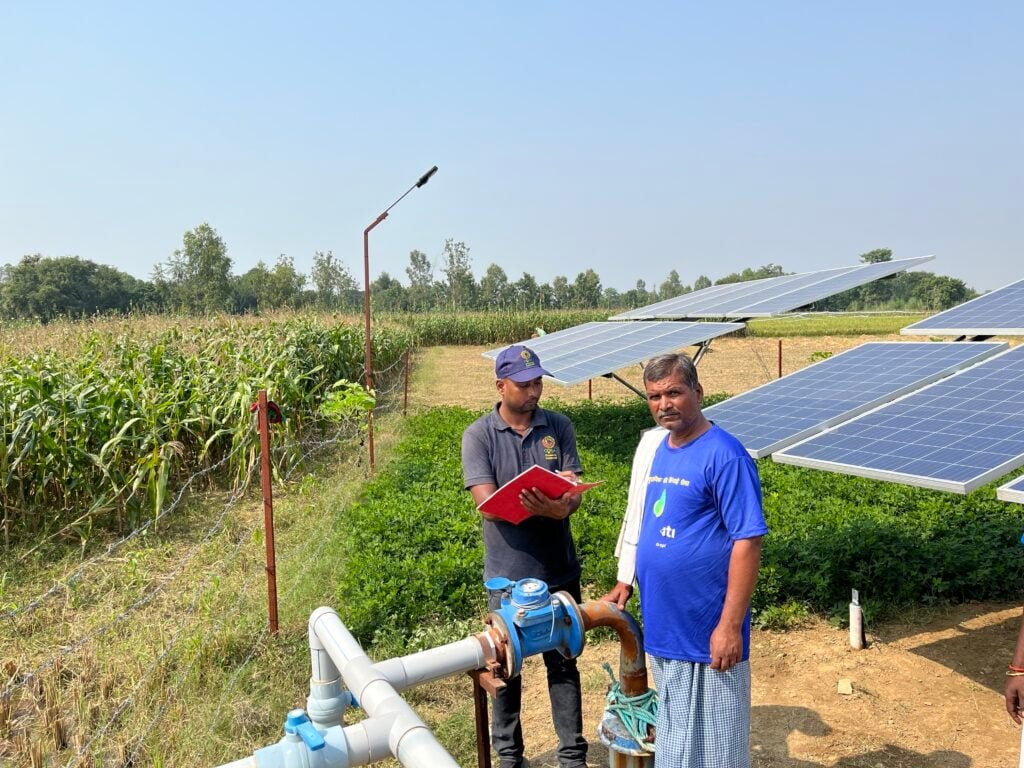
The Future of Agriculture: Embracing Modern Sustainable Practices
In recent years, the agricultural industry has undergone a significant transformation towards sustainability. Modern sustainable agriculture represents a shift in mindset and practices that prioritise environmental stewardship, social responsibility, and economic viability.
One of the key principles of modern sustainable agriculture is the minimisation of environmental impact. By adopting practices such as crop rotation, integrated pest management, and conservation tillage, farmers can reduce their reliance on chemical inputs and promote soil health. This not only benefits the environment by preserving biodiversity and reducing pollution but also enhances the long-term productivity of farmland.
Furthermore, modern sustainable agriculture places a strong emphasis on resource efficiency. Technologies such as precision farming tools, drip irrigation systems, and renewable energy sources enable farmers to optimise water usage, reduce energy consumption, and minimise waste. By embracing these innovations, farmers can enhance their productivity while reducing their carbon footprint.
Sustainability in agriculture also extends to social considerations. Practices that promote fair labour conditions, support local communities, and ensure food security play a crucial role in building a more resilient and equitable food system. By fostering partnerships with stakeholders across the supply chain, modern sustainable agriculture seeks to create shared value for all involved.
As we look towards the future, it is clear that modern sustainable agriculture is not just a trend but a necessity. With challenges such as climate change, population growth, and resource scarcity looming large, adopting sustainable practices is essential for ensuring the long-term viability of our food production systems.
By embracing innovation, collaboration, and a commitment to sustainability, we can pave the way for a more resilient and regenerative agricultural sector. Together, let us work towards a future where modern sustainable agriculture is not just an aspiration but a reality that benefits both people and planet.
Eight Benefits of Modern Sustainable Agriculture: Enhancing Soil, Supporting Communities, and Ensuring Food Security
- Enhances soil health and fertility through organic practices
- Reduces reliance on chemical pesticides and fertilisers, promoting biodiversity
- Conserves water resources through efficient irrigation techniques
- Mitigates climate change by reducing greenhouse gas emissions
- Supports local communities by creating job opportunities and economic growth
- Improves food safety and quality by prioritising natural farming methods
- Preserves wildlife habitats and ecosystems through sustainable land management
- Increases resilience to environmental challenges, ensuring long-term food security
Challenges and Barriers in Modern Sustainable Agriculture: A Critical Overview
- Initial investment costs for implementing sustainable practices can be high, posing a financial barrier for small-scale farmers.
- Transitioning to sustainable agriculture may require significant changes in farming techniques and infrastructure, leading to a steep learning curve for some farmers.
- Some sustainable agricultural methods, such as organic farming, may result in lower yields initially until soil health is restored and balanced.
- Certification processes for sustainable practices can be complex and time-consuming, adding administrative burdens to farmers.
- Weather variability and climate change can pose challenges to the predictability and success of certain sustainable farming methods.
- Market demand for sustainably produced goods may fluctuate, affecting the profitability and market access of farmers practising modern sustainable agriculture.
- Limited availability of technical support and expertise in modern sustainable agriculture practices can hinder widespread adoption among farmers.
Enhances soil health and fertility through organic practices
Modern sustainable agriculture, with its emphasis on organic practices, plays a crucial role in enhancing soil health and fertility. By avoiding the use of synthetic chemicals and promoting natural methods such as crop rotation, cover cropping, and composting, sustainable farming practices help to maintain a balanced ecosystem within the soil. This approach not only enriches the soil with essential nutrients but also fosters beneficial microbial activity, improving soil structure and water retention. Ultimately, by prioritising organic practices, modern sustainable agriculture ensures that our soils remain healthy and productive for generations to come.
Reduces reliance on chemical pesticides and fertilisers, promoting biodiversity
By reducing reliance on chemical pesticides and fertilisers, modern sustainable agriculture promotes biodiversity in farming ecosystems. Implementing practices such as crop rotation, integrated pest management, and organic fertilisation not only minimises the environmental impact of farming but also creates a healthier and more diverse habitat for beneficial insects, birds, and other wildlife. This approach fosters a balanced ecosystem where natural predators can thrive, helping to control pests without the need for harmful chemicals. Ultimately, promoting biodiversity through sustainable agricultural practices contributes to the resilience and long-term sustainability of our food production systems.
Conserves water resources through efficient irrigation techniques
Modern sustainable agriculture offers a crucial benefit by conserving water resources through the implementation of efficient irrigation techniques. By utilising practices such as drip irrigation and precision watering systems, farmers can significantly reduce water wastage while ensuring that crops receive the optimal amount of moisture. This not only helps to safeguard precious water supplies in regions facing scarcity but also enhances the overall efficiency and sustainability of agricultural operations. Embracing these innovative irrigation methods is a key step towards building a more water-resilient farming system that can thrive in the face of changing environmental conditions.
Mitigates climate change by reducing greenhouse gas emissions
Modern sustainable agriculture offers a crucial benefit in the fight against climate change by effectively reducing greenhouse gas emissions. Through practices such as conservation tillage, cover cropping, and agroforestry, sustainable farming methods help sequester carbon in the soil and reduce the release of harmful gases into the atmosphere. By prioritising these eco-friendly techniques, modern agriculture not only contributes to mitigating climate change but also promotes a healthier environment for future generations.
Supports local communities by creating job opportunities and economic growth
Modern sustainable agriculture serves as a catalyst for economic growth and community development by creating job opportunities and supporting local livelihoods. By prioritising practices that enhance environmental stewardship and social responsibility, sustainable farming initiatives generate employment in various sectors of the agricultural value chain. From organic farming to agroecology projects, these initiatives not only provide jobs but also contribute to the economic resilience of rural communities. By fostering a strong connection between farmers, consumers, and local businesses, modern sustainable agriculture helps build a more vibrant and inclusive economy that benefits everyone involved.
Improves food safety and quality by prioritising natural farming methods
Modern sustainable agriculture offers a significant advantage in improving food safety and quality by prioritising natural farming methods. By reducing reliance on synthetic chemicals and pesticides, sustainable farming practices help minimise the presence of harmful residues in crops and livestock. This approach not only enhances the nutritional value of food but also contributes to a safer and healthier food supply chain. Consumers can have greater confidence in the produce they consume, knowing that it has been grown using environmentally friendly and natural methods that prioritise both human health and the well-being of the ecosystem.
Preserves wildlife habitats and ecosystems through sustainable land management
Modern sustainable agriculture offers a crucial benefit by preserving wildlife habitats and ecosystems through sustainable land management practices. By implementing techniques such as agroforestry, conservation tillage, and habitat restoration, farmers can create a harmonious balance between agricultural production and biodiversity conservation. This proactive approach not only safeguards natural habitats for wildlife but also enhances ecosystem services such as pollination, pest control, and soil fertility. By prioritising the protection of wildlife habitats and ecosystems, modern sustainable agriculture contributes to the overall health and resilience of our environment for future generations.
Increases resilience to environmental challenges, ensuring long-term food security
Modern sustainable agriculture offers a crucial advantage by increasing resilience to environmental challenges, thereby ensuring long-term food security. By implementing practices that promote soil health, water conservation, and biodiversity preservation, sustainable farming systems are better equipped to withstand the impacts of climate change, extreme weather events, and other environmental stressors. This resilience not only safeguards crop yields and livestock production but also helps to maintain a stable food supply chain, ultimately contributing to the long-term food security of communities and nations.
Initial investment costs for implementing sustainable practices can be high, posing a financial barrier for small-scale farmers.
One significant drawback of modern sustainable agriculture is the high initial investment costs associated with implementing sustainable practices. This financial barrier can pose a considerable challenge for small-scale farmers who may struggle to afford the necessary technologies, equipment, and training required to transition to sustainable farming methods. The upfront expenses involved in adopting sustainable practices can deter farmers from making the switch, hindering their ability to reap the long-term benefits of improved environmental stewardship and increased productivity. Addressing this con is crucial to ensure that all farmers, regardless of scale, have access to the resources and support needed to embrace sustainable agriculture practices effectively.
Transitioning to sustainable agriculture may require significant changes in farming techniques and infrastructure, leading to a steep learning curve for some farmers.
Transitioning to sustainable agriculture may present a notable challenge for some farmers due to the substantial changes required in farming techniques and infrastructure. Embracing sustainable practices often involves adopting new methods, technologies, and approaches that may differ significantly from conventional farming practices. This transition can necessitate a steep learning curve for farmers who are accustomed to traditional methods, requiring them to invest time and resources in acquiring the necessary knowledge and skills to effectively implement sustainable agriculture practices. Despite this initial hurdle, the long-term benefits of sustainable agriculture in terms of environmental conservation and farm resilience make overcoming this learning curve a worthwhile endeavour for the future of agriculture.
Some sustainable agricultural methods, such as organic farming, may result in lower yields initially until soil health is restored and balanced.
One drawback of modern sustainable agriculture is that certain methods, like organic farming, can lead to lower yields in the short term. This is because practices focused on restoring and balancing soil health may take time to show their full benefits. While initial yield reductions may pose challenges for farmers, the long-term advantages of improved soil fertility, biodiversity preservation, and reduced environmental impact highlight the importance of patience and commitment to sustainable practices in achieving lasting agricultural sustainability.
Certification processes for sustainable practices can be complex and time-consuming, adding administrative burdens to farmers.
Navigating the certification processes for sustainable practices in modern agriculture can present a significant challenge for farmers. The complexity and time-consuming nature of obtaining certifications can impose heavy administrative burdens on farmers, diverting their attention and resources away from actual farming activities. This hurdle not only adds to the operational costs but also requires farmers to invest additional time and effort into meeting the stringent requirements set forth by certification bodies. As a result, some farmers may find the process daunting and discouraging, potentially hindering widespread adoption of sustainable practices in agriculture.
Weather variability and climate change can pose challenges to the predictability and success of certain sustainable farming methods.
Weather variability and climate change present a significant challenge to the predictability and success of certain sustainable farming methods. The increasing frequency of extreme weather events, such as droughts, floods, and heatwaves, can disrupt crop growth cycles and agricultural practices that rely on stable environmental conditions. This unpredictability not only impacts crop yields but also complicates the implementation of sustainable farming techniques that are designed to work in specific climate conditions. Adapting to these changing weather patterns requires continuous innovation and flexibility in sustainable agriculture practices to mitigate risks and ensure long-term resilience in the face of climate challenges.
Market demand for sustainably produced goods may fluctuate, affecting the profitability and market access of farmers practising modern sustainable agriculture.
One significant challenge faced by farmers practising modern sustainable agriculture is the fluctuating market demand for sustainably produced goods. While consumer interest in sustainable products is growing, it can be unpredictable, leading to fluctuations in demand. This uncertainty can impact the profitability and market access of farmers who have invested in sustainable practices. Farmers may struggle to adjust their production levels to meet shifting demand patterns, potentially affecting their income and competitiveness in the market. Finding a balance between meeting sustainability goals and responding to market dynamics remains a complex issue for those engaged in modern sustainable agriculture.
Limited availability of technical support and expertise in modern sustainable agriculture practices can hinder widespread adoption among farmers.
The limited availability of technical support and expertise in modern sustainable agriculture practices poses a significant challenge to the widespread adoption among farmers. Without access to proper guidance and resources, farmers may struggle to implement sustainable techniques effectively, hindering their ability to transition towards more environmentally friendly and economically viable farming practices. Addressing this con requires investment in training programmes, knowledge-sharing platforms, and mentorship opportunities to empower farmers with the skills and support needed to embrace modern sustainable agriculture successfully.