
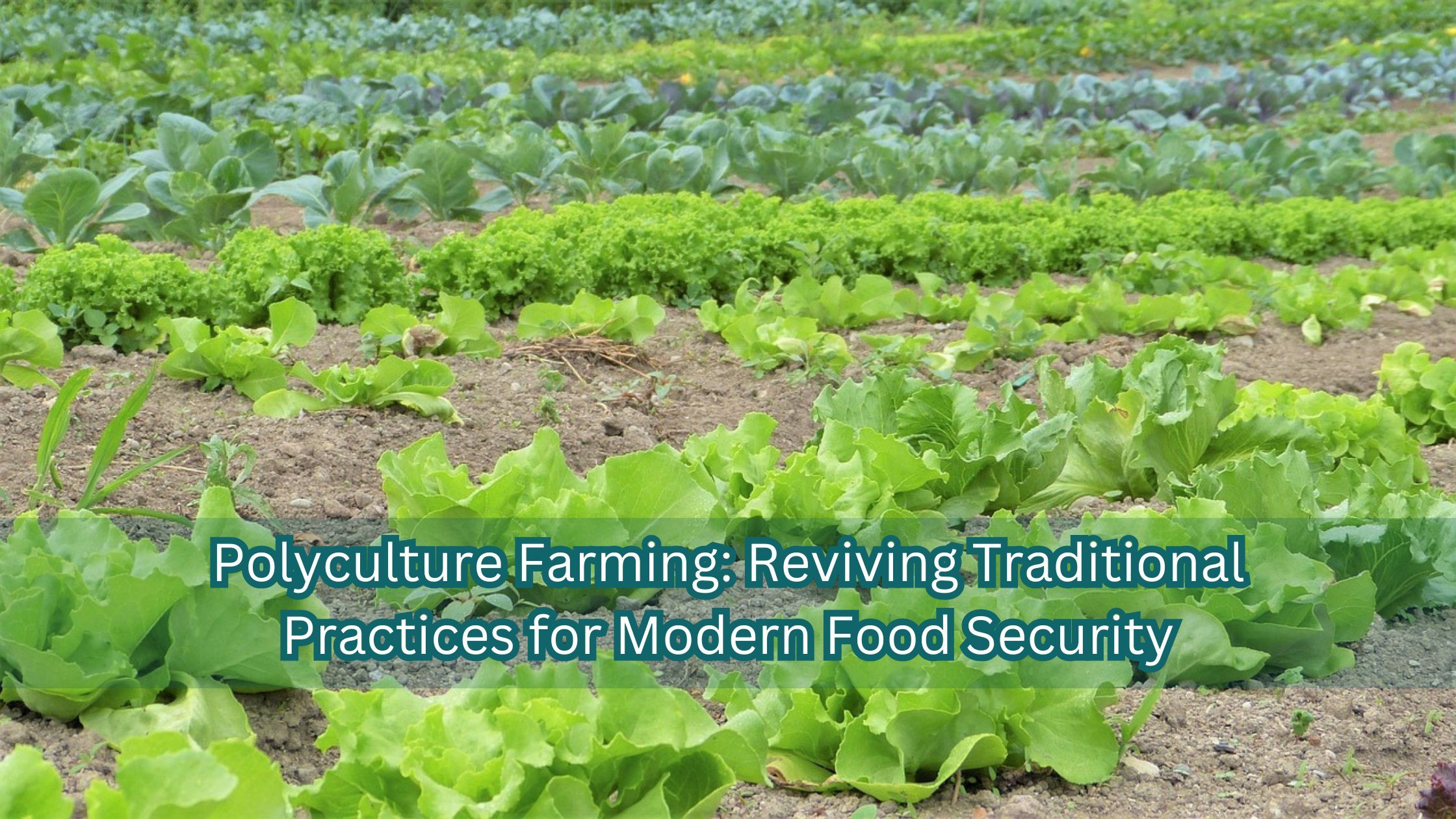
Exploring Alternative Farming Practices
In recent years, the agricultural industry has seen a growing interest in alternative farming practices that focus on sustainability, efficiency, and environmental conservation. These innovative approaches offer promising solutions to the challenges facing traditional farming methods and pave the way for a more resilient and eco-friendly agricultural sector.
Organic Farming
One of the most well-known alternative farming practices is organic farming. Organic farmers eschew synthetic pesticides and fertilisers in favour of natural inputs such as compost, manure, and crop rotation. By avoiding harmful chemicals, organic farming promotes soil health, biodiversity, and produces nutrient-rich crops that are free from harmful residues.
Permaculture
Permaculture is another alternative farming practice gaining popularity for its holistic approach to agriculture. Based on principles of sustainability and self-sufficiency, permaculture designs mimic natural ecosystems to create productive and resilient farms. By integrating plants, animals, and structures in harmonious systems, permaculture farmers maximise resource efficiency and minimise waste.
Agroforestry
Agroforestry combines trees and shrubs with traditional crops or livestock to create diverse and productive landscapes. By planting trees on farmland, agroforestry farmers improve soil fertility, provide habitat for beneficial wildlife, sequester carbon dioxide from the atmosphere, and enhance overall farm resilience to climate change.
Vertical Farming
Vertical farming represents a cutting-edge approach to agriculture that utilises vertical space to grow crops indoors or in controlled environments. By stacking layers of plants in vertical structures equipped with artificial lighting and climate control systems, vertical farmers can achieve high yields with minimal water usage and land footprint. This innovative method holds great potential for urban agriculture and food production in densely populated areas.
Aquaponics
Aquaponics combines aquaculture (fish farming) with hydroponics (soilless plant cultivation) in a symbiotic system where fish waste provides nutrients for plants while plants filter water for fish. This closed-loop cycle maximises resource efficiency by recycling nutrients and minimising water consumption. Aquaponics offers a sustainable way to produce both fish protein and fresh vegetables in a single integrated system.
In conclusion, alternative farming practices present viable solutions to enhance agricultural sustainability, productivity, and resilience in the face of climate change and environmental degradation. By embracing these innovative approaches, farmers can contribute to building a more sustainable food system that meets the needs of present and future generations.
9 Innovative Tips for Sustainable and Alternative Farming Practices
- Consider organic farming methods to reduce the use of synthetic chemicals.
- Implement crop rotation to maintain soil fertility and reduce pests.
- Use natural compost and manure as fertilizers for healthier crops.
- Practice agroforestry by integrating trees into your farming system for multiple benefits.
- Explore hydroponics or aquaponics for water-efficient cultivation of plants or fish.
- Try vermiculture to recycle organic waste into nutrient-rich vermicompost.
- Utilize cover cropping to protect soil, suppress weeds, and improve biodiversity.
- Experiment with permaculture principles to design sustainable and self-sufficient farming systems.
- Engage in community-supported agriculture (CSA) to establish direct relationships with consumers.
Consider organic farming methods to reduce the use of synthetic chemicals.
By considering organic farming methods, farmers can significantly reduce the reliance on synthetic chemicals in their agricultural practices. Organic farming promotes the use of natural inputs such as compost, manure, and crop rotation to maintain soil health and produce crops free from harmful residues. By embracing organic methods, farmers not only contribute to environmental conservation but also ensure the production of nutrient-rich and sustainable food for consumers.
Implement crop rotation to maintain soil fertility and reduce pests.
Implementing crop rotation is a fundamental practice in alternative farming methods aimed at maintaining soil fertility and minimising pest pressure. By alternating different crops in a systematic rotation, farmers can prevent the depletion of specific nutrients from the soil and reduce the build-up of pests and diseases associated with continuous monoculture. Crop rotation helps to balance soil health, enhance biodiversity, and improve overall crop productivity while reducing the reliance on synthetic inputs. This sustainable approach not only benefits the environment but also contributes to long-term agricultural sustainability and resilience.
Use natural compost and manure as fertilizers for healthier crops.
Using natural compost and manure as fertilizers is a sustainable alternative farming practice that promotes healthier crops and soil vitality. By recycling organic matter back into the land, farmers can enrich the soil with essential nutrients, improve its structure, and enhance water retention capacity. This environmentally friendly approach not only reduces the reliance on synthetic chemicals but also fosters a balanced ecosystem where beneficial microorganisms thrive, supporting plant growth and overall crop resilience. Embracing natural compost and manure as fertilizers contributes to sustainable agriculture practices that benefit both the environment and crop yield quality.
Practice agroforestry by integrating trees into your farming system for multiple benefits.
By incorporating agroforestry into your farming system, you can reap a multitude of benefits by integrating trees alongside traditional crops or livestock. Agroforestry not only enhances soil fertility and biodiversity but also provides habitat for beneficial wildlife, sequesters carbon dioxide from the atmosphere, and boosts overall farm resilience to changing climatic conditions. Embracing this sustainable practice can lead to a more productive and environmentally friendly agricultural operation that nurtures both the land and surrounding ecosystem.
Explore hydroponics or aquaponics for water-efficient cultivation of plants or fish.
Exploring hydroponics or aquaponics offers a water-efficient method for cultivating plants or fish. In hydroponic systems, plants grow without soil, receiving nutrients directly from water enriched with fertilisers. This technique reduces water usage compared to traditional soil-based farming. Aquaponics takes it a step further by combining aquaculture and hydroponics in a symbiotic relationship where fish waste provides nutrients for plants, while plants purify the water for the fish. Both methods not only conserve water but also maximise resource efficiency, making them sustainable options for modern agriculture.
Try vermiculture to recycle organic waste into nutrient-rich vermicompost.
Vermiculture, also known as worm composting, offers a sustainable solution for recycling organic waste and producing nutrient-rich vermicompost. By harnessing the power of earthworms to break down organic matter, vermiculture not only diverts waste from landfills but also creates a valuable soil amendment rich in beneficial microbes and nutrients. This natural process transforms kitchen scraps and garden waste into a potent fertiliser that can enhance soil health, improve plant growth, and reduce the need for synthetic chemicals. Embracing vermiculture as an alternative farming practice can contribute to a more circular and eco-friendly agricultural system while promoting resource efficiency and environmental stewardship.
Utilize cover cropping to protect soil, suppress weeds, and improve biodiversity.
Utilising cover cropping is a valuable tip in alternative farming practices to safeguard soil health, inhibit weed growth, and enhance biodiversity on farms. By planting cover crops such as legumes or grasses during fallow periods or alongside main crops, farmers can prevent soil erosion, retain moisture, and add organic matter to the soil. These cover crops act as natural weed suppressors, reducing the need for herbicides while promoting beneficial insects and microorganisms that contribute to a more diverse ecosystem. Overall, incorporating cover cropping into farming practices offers a sustainable and effective way to improve soil quality and support environmental conservation efforts.
Experiment with permaculture principles to design sustainable and self-sufficient farming systems.
By experimenting with permaculture principles to design sustainable and self-sufficient farming systems, farmers can create harmonious and resilient agricultural landscapes. Permaculture’s holistic approach encourages the integration of diverse elements such as plants, animals, and structures to mimic natural ecosystems. By following permaculture principles, farmers can maximise resource efficiency, minimise waste, and foster biodiversity on their farms. This innovative approach not only promotes environmental sustainability but also enhances productivity and resilience in the face of changing climatic conditions.
Engage in community-supported agriculture (CSA) to establish direct relationships with consumers.
Engaging in community-supported agriculture (CSA) is a valuable tip for farmers looking to adopt alternative farming practices. By participating in CSA programmes, farmers can establish direct relationships with consumers who are committed to supporting local, sustainable agriculture. This direct connection not only provides farmers with a stable market for their produce but also allows consumers to have a deeper understanding of where their food comes from and how it is grown. Through CSA, farmers can foster a sense of community, promote transparency in food production, and create a mutually beneficial relationship that benefits both producers and consumers alike.