
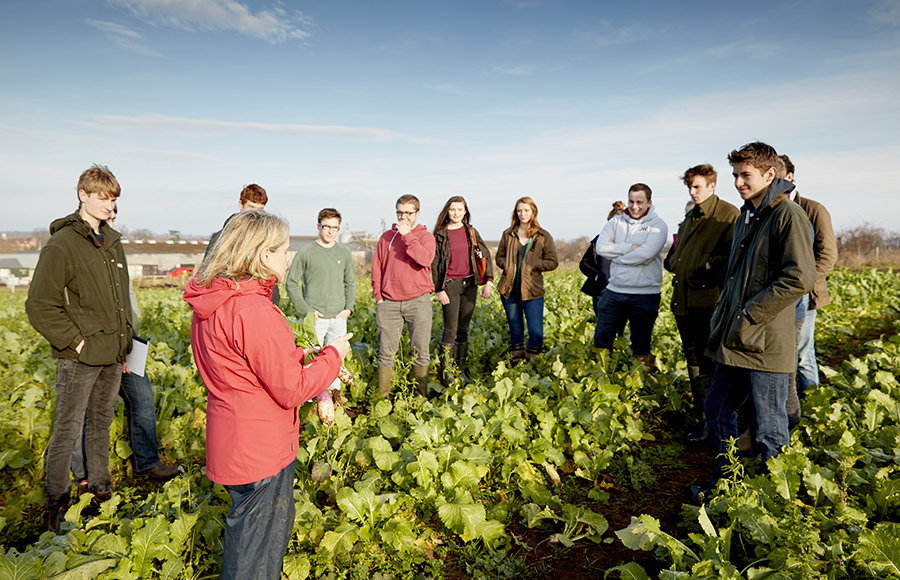
The Importance of Sustainable Food and Agriculture
Sustainable food and agriculture play a crucial role in ensuring the well-being of our planet and future generations. As the global population continues to grow, the demand for food increases, putting pressure on our natural resources and ecosystems. Adopting sustainable practices in food production and agriculture is essential to address these challenges.
Benefits of Sustainable Food and Agriculture
Environmental Preservation: Sustainable farming practices help preserve biodiversity, protect soil health, reduce water pollution, and mitigate climate change. By minimising the use of harmful chemicals and promoting organic farming methods, sustainable agriculture contributes to a healthier environment.
Food Security: Sustainable agriculture ensures that food production remains viable in the long term by maintaining soil fertility, conserving water resources, and promoting crop diversity. By adopting sustainable practices, farmers can increase resilience to environmental changes and ensure a stable food supply for communities.
Economic Viability: Sustainable agriculture can improve the economic viability of farming operations by reducing input costs, increasing yields over time through regenerative practices, and accessing premium markets for sustainably produced goods. This not only benefits farmers but also strengthens local economies.
Challenges in Achieving Sustainability
Despite the numerous benefits of sustainable food and agriculture, there are challenges that need to be addressed. These include limited access to resources for small-scale farmers, resistance to change within traditional farming systems, lack of awareness among consumers about sustainable food choices, and policy barriers that hinder the adoption of sustainable practices.
Call to Action
It is imperative for individuals, communities, governments, and businesses to work together towards promoting sustainability in food production and agriculture. By supporting local farmers who adopt sustainable practices, choosing sustainably sourced products, advocating for policies that incentivise sustainability, and investing in research and innovation for sustainable agriculture, we can create a more resilient and thriving food system for all.
Exploring Key Aspects of Sustainable Food and Agriculture: Principles, Components, and Definitions
- What are the sustainability principles in food and agriculture?
- What are the four components in a sustainable agriculture system?
- What is the meaning of sustainable food?
- What is the sustainability of agriculture?
What are the sustainability principles in food and agriculture?
When considering sustainability in food and agriculture, several key principles guide practices towards a more environmentally friendly and socially responsible approach. These principles include promoting soil health through practices like crop rotation and organic farming, conserving water resources through efficient irrigation methods, reducing greenhouse gas emissions by minimising chemical inputs and adopting renewable energy sources, supporting biodiversity by preserving natural habitats and promoting crop diversity, ensuring fair treatment of farm workers through ethical labour practices, and fostering community engagement to build resilient local food systems. By adhering to these sustainability principles, the food and agriculture sector can work towards a more sustainable future for both people and the planet.
What are the four components in a sustainable agriculture system?
In a sustainable agriculture system, there are four key components that work together to promote environmental stewardship, economic viability, and social equity. These components include soil health management, water resource conservation, biodiversity preservation, and community engagement. By focusing on maintaining healthy soil through organic practices, implementing efficient water management techniques, preserving biodiversity to support ecosystem resilience, and actively involving the community in decision-making processes, a sustainable agriculture system can achieve long-term sustainability while meeting the needs of present and future generations.
What is the meaning of sustainable food?
Sustainable food refers to food production and consumption practices that aim to meet present needs without compromising the ability of future generations to meet their own needs. It involves considering the environmental, social, and economic impacts of food production throughout the entire supply chain. Sustainable food promotes biodiversity, soil health, water conservation, and climate resilience while also ensuring fair treatment of workers and supporting local communities. By prioritising sustainable food choices, individuals can contribute to a more environmentally friendly and ethical food system that supports long-term well-being for both people and the planet.
What is the sustainability of agriculture?
The sustainability of agriculture refers to the ability of farming practices to meet present needs without compromising the ability of future generations to meet their own needs. Sustainable agriculture involves practices that promote environmental health, economic profitability, and social equity. It focuses on maintaining soil fertility, conserving water resources, reducing chemical inputs, and supporting biodiversity. By adopting sustainable agricultural methods, farmers can ensure the long-term viability of food production while minimising negative impacts on the environment and society.