
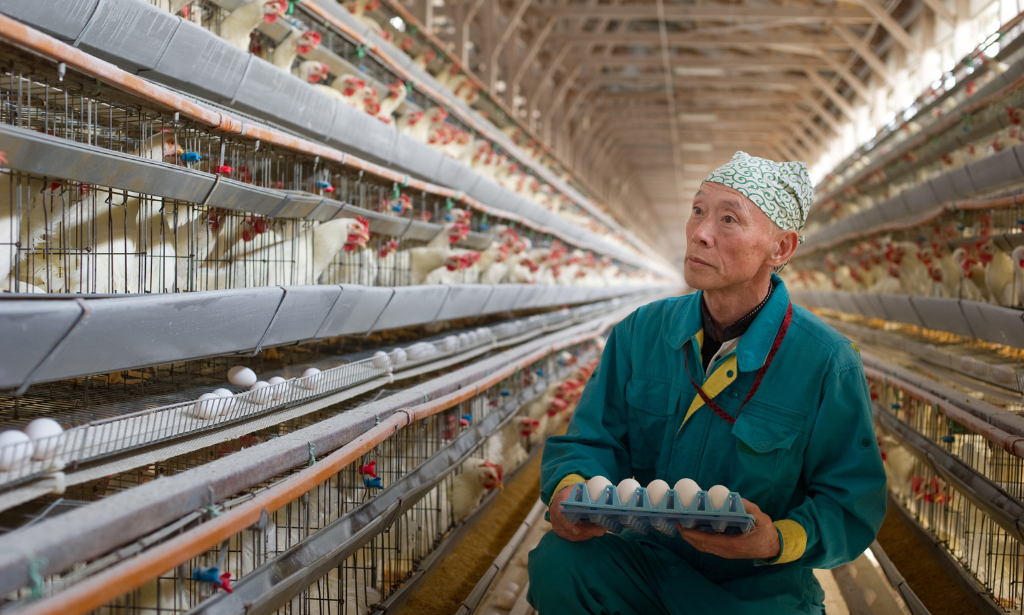
The Benefits of Farming Courses for Beginners
Embarking on a journey into the world of farming can be both exciting and challenging, especially for beginners. Whether you dream of starting your own farm or simply want to learn more about sustainable agriculture, enrolling in farming courses can provide you with the knowledge and skills needed to succeed.
Hands-On Experience
One of the key advantages of farming courses for beginners is the opportunity to gain hands-on experience. These courses often include practical sessions where you can learn essential farming techniques such as planting, harvesting, and animal care under the guidance of experienced farmers.
Understanding Agricultural Practices
Beginner farming courses cover a wide range of topics related to agricultural practices, including soil management, crop rotation, pest control, and irrigation methods. By understanding these fundamental concepts, you can make informed decisions when planning and managing your own farm in the future.
Networking Opportunities
Attending farming courses allows you to connect with like-minded individuals who share your passion for agriculture. Building a network within the farming community can provide valuable support, advice, and potential collaborations that can help you grow as a farmer.
Access to Resources
Farming courses often provide access to resources such as study materials, tools, and equipment that are essential for learning and practising agricultural techniques. Additionally, some courses may offer opportunities to visit farms or agricultural research centres to further enhance your learning experience.
Career Development
For those considering a career in agriculture, completing farming courses can boost your credentials and improve your job prospects. Whether you aspire to become a farm manager, agronomist, livestock specialist or pursue other agricultural careers, acquiring relevant skills through beginner farming courses is an important first step.
Conclusion
Enrolling in farming courses for beginners is an excellent way to kickstart your journey into the world of agriculture. By gaining practical experience, understanding agricultural practices, networking with fellow farmers, accessing resources and enhancing your career prospects, these courses can equip you with the necessary tools to thrive in the field of farming.
Essential Tips for Beginners: Navigating Farming Courses and Building Agricultural Skills
- Start with basic courses on agriculture and farming practices.
- Learn about soil types, plant nutrition, and crop management.
- Understand the importance of sustainable farming methods.
- Get hands-on experience through internships or volunteering on farms.
- Explore courses on animal husbandry if interested in livestock farming.
- Stay updated with the latest trends and technologies in the agricultural sector.
- Join local farming communities or online forums to network and learn from experienced farmers.
Start with basic courses on agriculture and farming practices.
Starting with basic courses on agriculture and farming practices is essential for beginners looking to build a strong foundation in the field. These courses provide a solid introduction to fundamental concepts such as soil management, crop cultivation, and animal husbandry, laying the groundwork for more advanced learning. By mastering the basics early on, aspiring farmers can develop a comprehensive understanding of agricultural practices and set themselves up for success in their farming journey.
Learn about soil types, plant nutrition, and crop management.
To excel in farming, beginners should focus on learning about soil types, plant nutrition, and crop management. Understanding different soil types helps farmers make informed decisions about crop selection and cultivation methods. Knowledge of plant nutrition is crucial for ensuring that crops receive the necessary nutrients to grow healthily and produce high yields. Additionally, mastering crop management techniques such as planting schedules, irrigation practices, and pest control strategies is essential for maximising agricultural productivity and sustainability. By prioritising these aspects in farming courses, beginners can lay a solid foundation for success in their agricultural endeavours.
Understand the importance of sustainable farming methods.
Understanding the importance of sustainable farming methods is crucial for beginners embarking on their farming journey. Sustainable practices not only promote environmental conservation and biodiversity but also ensure the long-term viability of agricultural operations. By prioritising sustainability in farming courses, beginners can learn how to minimise their environmental impact, conserve natural resources, and create a more resilient and productive farm ecosystem. Embracing sustainable farming methods is key to building a successful and ethical agricultural business that benefits both the environment and future generations.
Get hands-on experience through internships or volunteering on farms.
To gain valuable hands-on experience in farming, beginners can consider participating in internships or volunteering opportunities on farms. By actively engaging in farm work, such as planting, harvesting, and tending to animals, individuals can apply theoretical knowledge gained from farming courses in a practical setting. Internships and volunteering not only provide a chance to learn directly from experienced farmers but also offer insights into the day-to-day operations of a farm, helping beginners build essential skills and confidence in their agricultural pursuits.
Explore courses on animal husbandry if interested in livestock farming.
If you are interested in pursuing a career in livestock farming, it is highly recommended to explore courses on animal husbandry. These specialised courses provide valuable insights into the care, breeding, and management of livestock animals such as cattle, sheep, poultry, and pigs. By enrolling in animal husbandry courses as a beginner farmer, you can acquire essential knowledge and skills that are crucial for successfully raising and maintaining healthy livestock on your farm.
Stay updated with the latest trends and technologies in the agricultural sector.
It is essential for beginners taking farming courses to stay updated with the latest trends and technologies in the agricultural sector. By keeping abreast of advancements in farming practices, tools, and techniques, beginners can enhance their knowledge and skills to improve farm productivity and sustainability. Understanding and adopting modern agricultural trends can also help beginners stay competitive in the ever-evolving agricultural industry, ensuring that they are well-equipped to tackle challenges and seize opportunities for growth and innovation.
Join local farming communities or online forums to network and learn from experienced farmers.
To enhance your learning experience in farming courses as a beginner, it is highly beneficial to join local farming communities or online forums. By networking with experienced farmers, you can gain valuable insights, tips, and advice that can help you navigate the challenges of starting out in agriculture. Engaging with these communities provides opportunities to learn from real-world experiences, exchange ideas, and build connections within the farming industry. Embracing the knowledge and support offered by seasoned farmers can significantly contribute to your growth and success as you embark on your farming journey.