
The Importance of Sustainable Water Management in Agriculture
Water is a precious resource essential for agricultural production. As the global population continues to grow, the demand for food increases, putting pressure on water sources. Sustainable water management practices are crucial to ensure the long-term viability of agriculture while preserving our water resources.
Challenges Faced by Agriculture
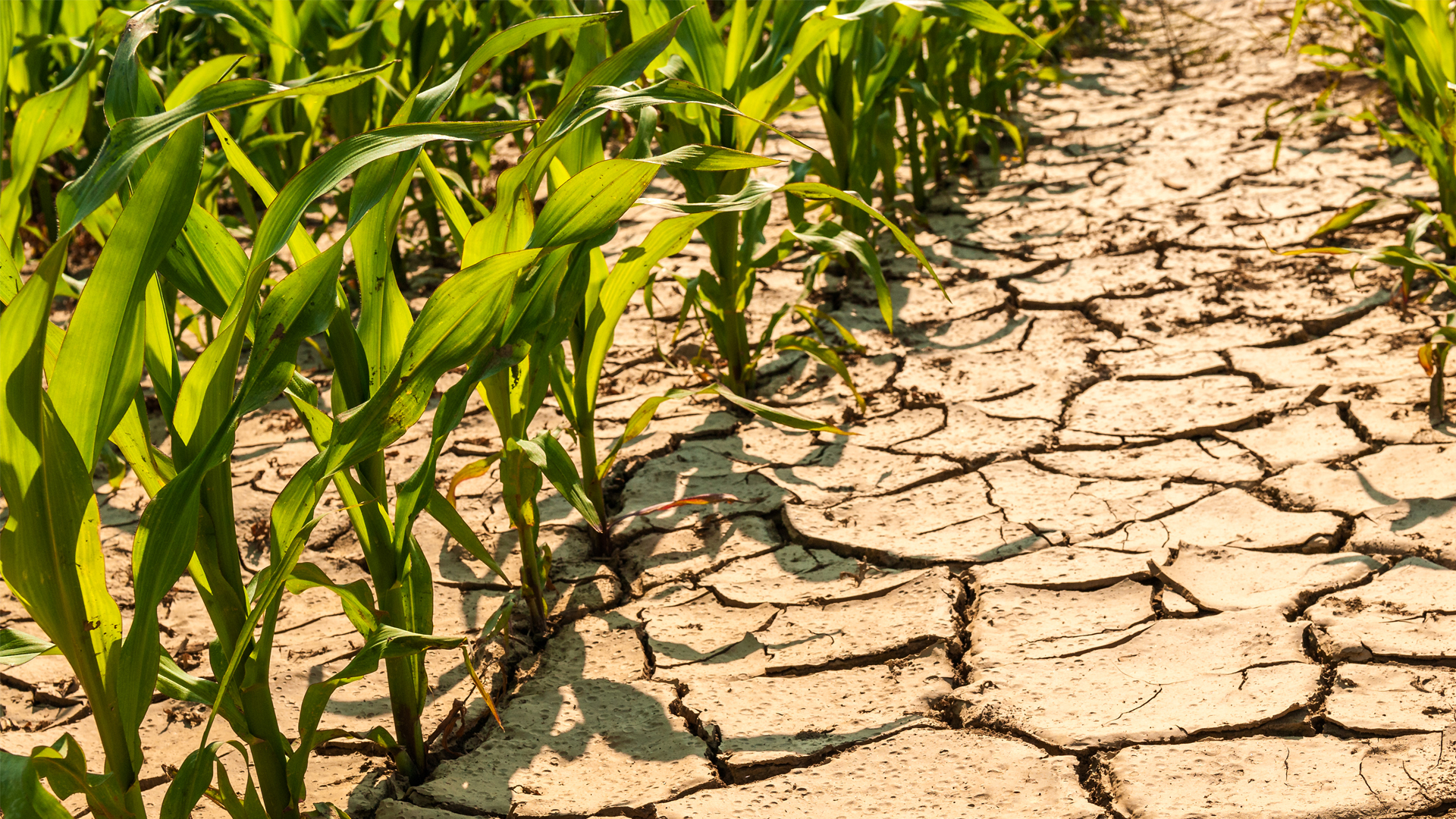
Agriculture accounts for a significant portion of water usage worldwide. Irrigation systems, livestock farming, and crop production all require substantial amounts of water. Climate change further exacerbates water scarcity issues, leading to unpredictable rainfall patterns and droughts that can devastate crops.
The Benefits of Sustainable Water Management
Implementing sustainable water management practices in agriculture offers numerous benefits. By using water efficiently, farmers can reduce their environmental impact, conserve water resources for future generations, and increase their resilience to climate change.
Strategies for Sustainable Water Management
- Drip Irrigation: Drip irrigation delivers water directly to plant roots, minimising wastage and improving efficiency.
- Rainwater Harvesting: Collecting rainwater for agricultural use reduces reliance on groundwater sources.
- Crop Rotation: Rotating crops helps maintain soil health and reduce water consumption by varying crop water requirements.
- Soil Conservation: Practices such as mulching and cover cropping help retain soil moisture and reduce evaporation.
- Water Recycling: Reusing wastewater for irrigation can help conserve freshwater resources.
The Role of Technology
Advancements in technology play a vital role in sustainable water management in agriculture. Smart irrigation systems, sensor-based monitoring tools, and precision farming techniques enable farmers to optimise water usage based on real-time data, reducing waste and increasing efficiency.
Conclusion
Sustainable water management is essential for the future of agriculture. By adopting efficient practices, harnessing technology, and promoting conservation efforts, we can ensure that agriculture remains productive while safeguarding our precious water resources for generations to come.
Eight Benefits of Sustainable Water Management in Agriculture: Ensuring a Resilient and Productive Future
- Conserves water resources for future generations
- Reduces environmental impact of agriculture
- Increases resilience to climate change and droughts
- Improves soil health and fertility
- Enhances crop productivity and yield
- Minimises water wastage and runoff
- Promotes sustainable farming practices
- Supports biodiversity and ecosystem health
Challenges in Sustainable Water Management in Agriculture: Addressing Costs, Behavioural Shifts, and System Complexity
Conserves water resources for future generations
Conserving water resources for future generations is a key benefit of sustainable water management in agriculture. By implementing efficient irrigation systems, water recycling practices, and soil conservation techniques, farmers can reduce water wastage and ensure that vital water sources remain available for future agricultural needs. This proactive approach not only safeguards the environment but also helps to secure a sustainable water supply for upcoming generations of farmers, promoting long-term resilience and productivity in agriculture.
Reduces environmental impact of agriculture
Sustainable water management in agriculture plays a crucial role in reducing the environmental impact of farming practices. By implementing efficient irrigation methods and conservation strategies, farmers can minimise water wastage, prevent soil erosion, and protect water quality. This proactive approach not only preserves natural resources but also helps mitigate pollution and greenhouse gas emissions associated with traditional agricultural practices. Ultimately, sustainable water management contributes to a healthier ecosystem, promoting biodiversity and long-term sustainability in agriculture.
Increases resilience to climate change and droughts
Implementing sustainable water management practices in agriculture offers a crucial benefit by increasing resilience to climate change and droughts. By using water efficiently and adopting strategies such as drip irrigation, rainwater harvesting, and soil conservation, farmers can better cope with unpredictable weather patterns and water scarcity. Sustainable water management not only helps mitigate the impact of droughts on crops but also ensures that agriculture remains viable in the face of changing climatic conditions.
Improves soil health and fertility
Implementing sustainable water management practices in agriculture, such as efficient irrigation techniques and soil conservation methods, offers the significant benefit of improving soil health and fertility. By optimising water usage and reducing water wastage, farmers can maintain adequate moisture levels in the soil, promoting better nutrient absorption by crops. Additionally, sustainable water management helps prevent soil erosion and compaction, preserving the structure of the soil and enhancing its fertility over time. This proactive approach not only benefits crop yields but also contributes to the long-term sustainability of agricultural land.
Enhances crop productivity and yield
Sustainable water management in agriculture significantly enhances crop productivity and yield. By ensuring that crops receive the right amount of water at the right time, farmers can optimise growth conditions and maximise harvest outcomes. Efficient water usage prevents water stress in plants, leading to healthier crops with improved resilience to environmental factors. Ultimately, sustainable water management practices contribute to increased agricultural productivity, providing a more reliable food supply while conserving precious water resources for future generations.
Minimises water wastage and runoff
Minimising water wastage and runoff is a key benefit of implementing sustainable water management practices in agriculture. By using efficient irrigation methods and adopting strategies that promote water retention in the soil, farmers can reduce the amount of water lost to evaporation or runoff. This not only conserves valuable water resources but also helps prevent soil erosion and nutrient leaching, ultimately contributing to improved crop yields and environmental sustainability.
Promotes sustainable farming practices
Promoting sustainable water management in agriculture not only conserves water resources but also encourages the adoption of environmentally friendly farming practices. By implementing efficient irrigation systems, crop rotation techniques, and soil conservation methods, farmers can reduce their water usage while maintaining soil health and biodiversity. Sustainable water management fosters a holistic approach to farming that prioritises long-term sustainability, resilience to climate change, and the preservation of natural ecosystems.
Supports biodiversity and ecosystem health
Sustainable water management in agriculture plays a crucial role in supporting biodiversity and ecosystem health. By implementing practices that conserve water resources and minimise pollution, farmers can create habitats that promote the diversity of plant and animal species. Healthy ecosystems contribute to natural pest control, soil fertility, and overall resilience to environmental changes, ultimately fostering a balanced and sustainable agricultural environment for future generations.
Initial Implementation Costs
Adopting sustainable water management practices in agriculture may present a challenge due to the initial implementation costs involved. Farmers looking to transition to more sustainable water management methods may face substantial upfront investments in acquiring new technology, upgrading infrastructure, and providing training for personnel. These costs can act as a barrier for some farmers, especially small-scale operations with limited financial resources, hindering their ability to embrace sustainable practices that could benefit both their operations and the environment in the long run.
Behavioural Change
Farmers encountering the con of behavioural change in sustainable water management may struggle to shift from conventional water management practices to more sustainable methods. This transition can be hindered by entrenched habits and reluctance to embrace new approaches. Overcoming these challenges requires education, support, and incentives to motivate farmers to adopt sustainable water management practices effectively. By addressing behavioural barriers and fostering a culture of innovation, farmers can gradually embrace more sustainable agricultural techniques that benefit both their operations and the environment.
Complexity of Systems
The complexity of systems poses a significant challenge in sustainable water management in agriculture. Implementing integrated water management systems demands expertise across multiple disciplines, including engineering, agronomy, and data analysis. Coordinating these diverse fields to develop and maintain efficient water management strategies can be daunting for farmers and agricultural professionals. The need for specialised knowledge and skills highlights the importance of education and collaboration to overcome the complexities associated with sustainable water management practices in agriculture.