
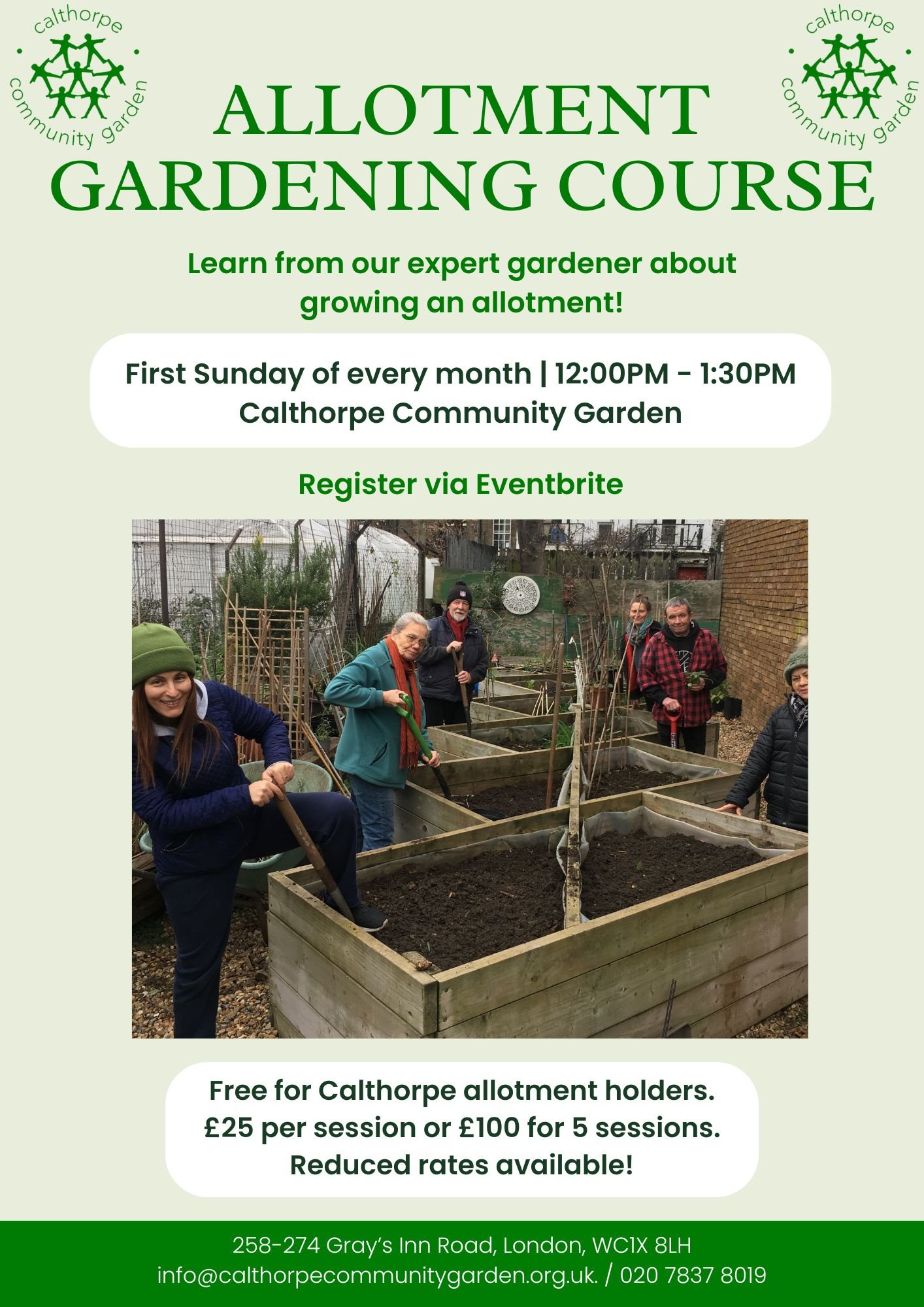
The Benefits of Taking an Urban Gardening Course
Urban gardening has become increasingly popular as more people seek to reconnect with nature and grow their own food in urban environments. If you’re interested in starting your own urban garden but don’t know where to begin, enrolling in an urban gardening course can be a great way to learn the necessary skills and knowledge.
What Will You Learn?
Urban gardening courses cover a wide range of topics designed to help you become a successful urban gardener. You will learn about:
- Choosing the right plants for urban environments
- Container gardening techniques for limited spaces
- Vertical gardening methods to maximise space
- Soil management and composting in urban settings
- Watering and irrigation systems for urban gardens
- Pest control and organic gardening practices
The Benefits of Urban Gardening Courses
By taking an urban gardening course, you can:
- Gain hands-on experience and practical skills from experienced instructors
- Learn how to grow your own fresh fruits, vegetables, and herbs even in small city spaces
- Connect with like-minded individuals and join a community of urban gardeners
- Improve your physical and mental well-being through gardening activities
- Contribute to sustainability efforts by growing your own food locally
Get Started Today!
If you’re ready to embark on your urban gardening journey, consider enrolling in an urban gardening course near you. Whether you’re a beginner or have some experience with gardening, there’s always something new to learn that can help you create a thriving urban garden right at your doorstep.
Mastering Urban Gardening: Top Tips for Thriving in City Spaces
- Choose the right location with adequate sunlight for your urban garden.
- Use containers or raised beds to make the most of limited space in urban areas.
- Select plants that are well-suited for urban environments and consider their maintenance needs.
- Implement efficient watering systems to ensure your plants receive proper hydration.
- Learn about composting and recycling organic waste to enrich the soil in your urban garden.
- Join a community gardening group or attend workshops to exchange knowledge and tips with other urban gardeners.
Choose the right location with adequate sunlight for your urban garden.
Selecting the ideal location with sufficient sunlight is crucial for the success of your urban garden. When choosing a spot for your garden, opt for an area that receives ample sunlight throughout the day to ensure that your plants thrive. Adequate sunlight is essential for photosynthesis, plant growth, and fruit production. By placing your urban garden in a sunny location, you can maximise the yield of your crops and create a flourishing green oasis in the midst of the cityscape.
Use containers or raised beds to make the most of limited space in urban areas.
Using containers or raised beds is a practical tip for maximising limited space in urban areas when engaging in urban gardening. Containers and raised beds offer flexibility in terms of placement and can be positioned on balconies, rooftops, or small outdoor areas. They provide a controlled environment for plants to thrive, allow for better soil management, and make it easier to implement vertical gardening techniques. By utilising containers or raised beds, urban gardeners can optimise their growing space and cultivate a variety of plants even in compact city settings.
Select plants that are well-suited for urban environments and consider their maintenance needs.
When embarking on an urban gardening course, it is essential to carefully select plants that thrive in urban environments and take into account their maintenance requirements. Choosing plants that are well-suited for city living, such as those that can adapt to limited space and varying light conditions, is key to a successful urban garden. Additionally, understanding the specific maintenance needs of each plant, including watering schedules, soil requirements, and pest control measures, will help ensure your urban garden flourishes amidst the challenges of an urban setting.
Implement efficient watering systems to ensure your plants receive proper hydration.
Implementing efficient watering systems is crucial in urban gardening to ensure that your plants receive the proper hydration they need to thrive. By incorporating smart irrigation methods such as drip irrigation or automated watering systems, you can efficiently water your plants while conserving water and minimising wastage. Proper hydration not only promotes healthy plant growth but also helps in maintaining a sustainable urban garden that thrives in limited space.
Learn about composting and recycling organic waste to enrich the soil in your urban garden.
Learning about composting and recycling organic waste is a valuable tip for urban gardeners looking to enrich the soil in their gardens sustainably. By composting kitchen scraps, yard waste, and other organic materials, you can create nutrient-rich soil amendments that promote healthy plant growth. Recycling organic waste not only reduces landfill waste but also contributes to a more eco-friendly urban gardening practice, allowing you to cultivate a thriving garden while minimising your environmental impact.
Join a community gardening group or attend workshops to exchange knowledge and tips with other urban gardeners.
Joining a community gardening group or attending workshops is a valuable tip for those taking an urban gardening course. By engaging with fellow urban gardeners, you can exchange knowledge, share tips, and learn from each other’s experiences. These community interactions not only foster a sense of camaraderie but also provide opportunities to expand your skills and enhance your urban gardening practices. Collaborating with like-minded individuals through group activities and workshops can inspire creativity and innovation in your own urban garden, creating a supportive environment for continuous learning and growth in sustainable urban agriculture.