
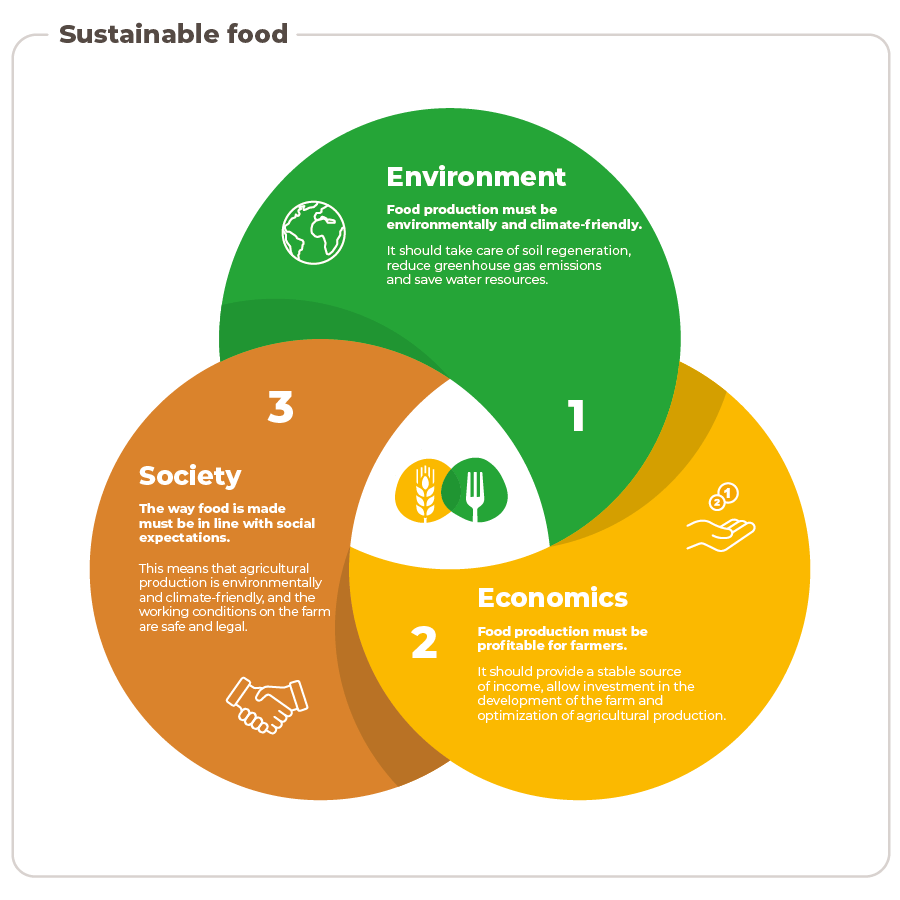
The Importance of Sustainable Food Production Practices
Sustainable food production practices play a crucial role in ensuring the long-term health of our planet and its inhabitants. As the global population continues to grow, the demand for food increases, making it essential to adopt methods that can meet these needs without compromising the environment or depleting natural resources.
Key Principles of Sustainable Food Production
**Crop Rotation:** By rotating crops seasonally, farmers can improve soil fertility, reduce pest infestations, and minimise the need for chemical fertilisers.
**Water Conservation:** Implementing water-efficient irrigation systems and practices helps conserve this precious resource and ensures sustainable farming operations.
**Agroforestry:** Integrating trees and shrubs into agricultural landscapes not only enhances biodiversity but also provides additional income streams for farmers through timber and fruit production.
Benefits of Sustainable Food Production
**Environmental Preservation:** Sustainable practices help protect ecosystems, reduce greenhouse gas emissions, and preserve biodiversity for future generations.
**Resource Efficiency:** By using resources more efficiently, such as water and energy, sustainable food production minimises waste and promotes a more resilient agricultural system.
**Healthier Food Options:** Foods produced sustainably are often healthier as they contain fewer chemical residues and are grown in nutrient-rich soils.
The Future of Sustainable Food Production
As awareness of environmental issues grows, consumers are increasingly demanding sustainably produced food. This shift in consumer behaviour is driving the adoption of eco-friendly farming practices across the industry.
Government policies and initiatives are also supporting sustainable agriculture by providing incentives for farmers to implement environmentally friendly practices and invest in renewable energy sources.
Conclusion
Sustainable food production practices are not just a trend but a necessity for safeguarding our planet’s future. By embracing sustainable methods, we can ensure a stable food supply, protect natural resources, and promote a healthier environment for all living beings.
7 Tips for Sustainable Food Production: From Local Sourcing to Reducing Waste
- Support local farmers and producers to reduce carbon footprint from transportation.
- Choose organic and seasonal produce to minimise pesticide use and support biodiversity.
- Reduce food waste by planning meals, storing food properly, and composting scraps.
- Opt for plant-based proteins more often to lower greenhouse gas emissions compared to animal products.
- Buy products with minimal packaging or opt for reusable containers to reduce waste.
- Grow your own herbs, fruits, or vegetables if possible to promote self-sufficiency and reduce reliance on store-bought produce.
- Educate yourself about sustainable fishing practices and choose seafood that is responsibly sourced.
Support local farmers and producers to reduce carbon footprint from transportation.
Supporting local farmers and producers is a key tip in sustainable food production practices as it helps to reduce the carbon footprint associated with transportation. By sourcing food locally, we can minimise the distance that produce needs to travel from farm to plate, thereby cutting down on greenhouse gas emissions generated during transportation. This not only supports the local economy but also promotes fresher, more nutritious food while contributing to a more environmentally friendly food system.
Choose organic and seasonal produce to minimise pesticide use and support biodiversity.
Choosing organic and seasonal produce is a simple yet effective tip for promoting sustainable food production practices. By opting for organic products, consumers can reduce the reliance on pesticides, which can have harmful effects on the environment and human health. Additionally, selecting seasonal produce supports biodiversity by encouraging the cultivation of crops that are naturally suited to the local climate and conditions. This conscious choice not only benefits the environment but also contributes to a more sustainable and resilient food system.
Reduce food waste by planning meals, storing food properly, and composting scraps.
Reducing food waste is a key aspect of sustainable food production practices. By planning meals thoughtfully, storing food correctly to prolong its freshness, and composting leftover scraps, we can minimise the amount of food that ends up in landfills. This not only helps conserve resources and reduce greenhouse gas emissions associated with food decomposition but also promotes a more efficient use of our agricultural produce. Implementing these simple yet effective strategies can make a significant impact on both the environment and our overall food system sustainability.
Opt for plant-based proteins more often to lower greenhouse gas emissions compared to animal products.
Opting for plant-based proteins more frequently is a simple yet impactful tip for promoting sustainable food production practices. Plant-based proteins generally have a lower carbon footprint compared to animal products, helping to reduce greenhouse gas emissions associated with livestock farming. By incorporating more plant-based sources of protein into our diets, we can contribute to mitigating climate change and supporting a more environmentally sustainable food system.
Buy products with minimal packaging or opt for reusable containers to reduce waste.
When aiming to promote sustainable food production practices, a simple yet effective tip is to choose products with minimal packaging or opt for reusable containers. By selecting items with minimal packaging, we can significantly reduce waste and lessen the environmental impact of our consumption habits. Embracing reusable containers not only helps in reducing single-use plastic but also encourages a more eco-friendly approach to storing and transporting food items. Making these conscious choices contributes towards a more sustainable food system that prioritises waste reduction and environmental conservation.
Grow your own herbs, fruits, or vegetables if possible to promote self-sufficiency and reduce reliance on store-bought produce.
Growing your own herbs, fruits, or vegetables is a practical tip for promoting sustainable food production practices. By cultivating your own produce, you can enhance self-sufficiency and reduce dependence on store-bought items. This not only allows you to enjoy fresh and organic ingredients but also contributes to minimising the environmental impact associated with commercial agriculture, such as transportation emissions and packaging waste. Additionally, growing your own food can foster a deeper connection to the earth and a greater appreciation for the effort that goes into producing what we eat.
Educate yourself about sustainable fishing practices and choose seafood that is responsibly sourced.
Educating oneself about sustainable fishing practices and selecting seafood that is responsibly sourced are essential steps in promoting sustainable food production. By understanding the impact of fishing methods on marine ecosystems and choosing seafood from well-managed fisheries, consumers can help protect marine biodiversity and support the long-term health of our oceans. Making informed choices about the seafood we consume plays a vital role in encouraging sustainable fishing practices and ensuring a more environmentally friendly food supply chain.