
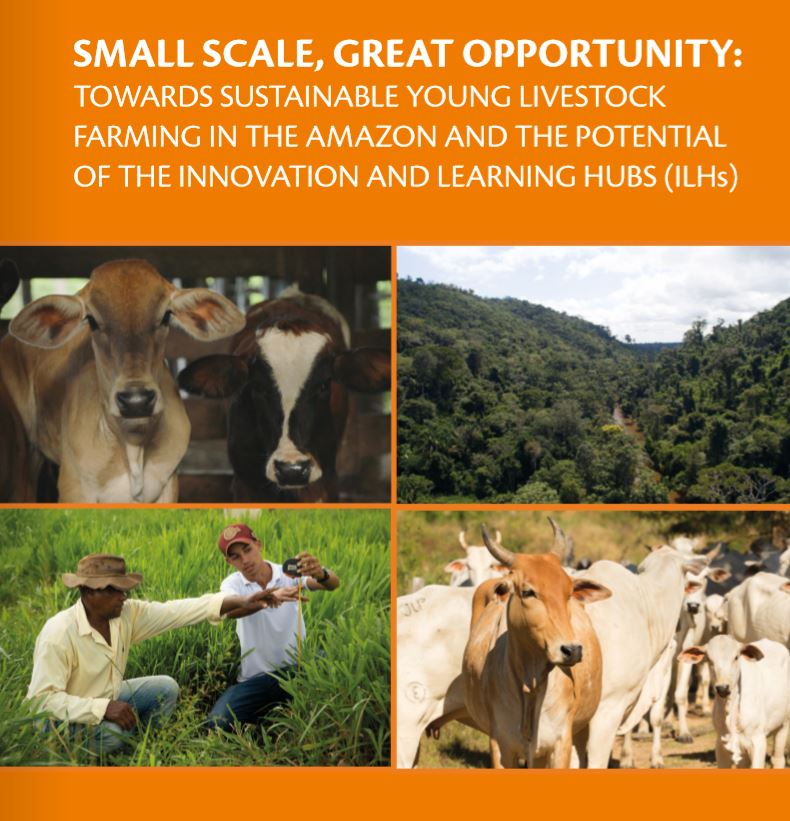
The Importance of Sustainable Cattle Farming
Sustainable cattle farming plays a crucial role in ensuring the long-term health of our environment and the well-being of both animals and humans. By adopting sustainable practices, farmers can mitigate the negative impacts of traditional livestock farming while promoting ecological balance and social responsibility.
Benefits of Sustainable Cattle Farming
Environmental Preservation: Sustainable cattle farming focuses on reducing greenhouse gas emissions, conserving water resources, and preserving natural habitats. By implementing practices such as rotational grazing and agroforestry, farmers can minimise their environmental footprint.
Animal Welfare: Sustainable cattle farming prioritises the well-being of livestock by providing them with adequate space, nutritious feed, and access to clean water. By ensuring that animals are treated humanely, farmers can improve the quality of meat and dairy products.
Economic Viability: Adopting sustainable practices can lead to cost savings for farmers in the long run. By maximising resource efficiency, minimising waste, and diversifying income streams (e.g., through eco-tourism or value-added products), farmers can enhance their economic resilience.
Challenges and Solutions
While transitioning to sustainable cattle farming may pose challenges such as initial investment costs and changing consumer preferences, there are solutions available. Government incentives, training programmes, certification schemes (e.g., organic or grass-fed), and market partnerships can help farmers overcome barriers to sustainability.
Conclusion
In conclusion, sustainable cattle farming is not just a trend but a necessity for the future of agriculture. By embracing sustainable practices, farmers can protect natural resources, promote animal welfare, and secure a prosperous future for generations to come.
Exploring Sustainable Practices in Cattle Farming: Methods, Examples, and Viability
- How to make cattle farming sustainable?
- What is an example of sustainable grazing?
- Which farming method is the most sustainable?
- How sustainable is livestock farming?
How to make cattle farming sustainable?
To make cattle farming sustainable, it is essential to implement a holistic approach that considers environmental, social, and economic factors. Key strategies include practising rotational grazing to preserve pasture health, using regenerative agriculture techniques to improve soil fertility, minimising the use of antibiotics and hormones, sourcing feed locally to reduce carbon footprint, and investing in renewable energy sources. Additionally, promoting biodiversity on farms, prioritising animal welfare standards, and engaging with local communities for support and collaboration are crucial steps towards achieving sustainable cattle farming practices. By integrating these methods into daily operations, farmers can contribute to a more resilient and environmentally friendly agricultural system for the future.
What is an example of sustainable grazing?
An example of sustainable grazing in cattle farming is rotational grazing. Rotational grazing involves dividing pasture land into smaller paddocks and rotating livestock between them at regular intervals. This practice allows for better management of grass growth, soil health, and animal impact on the land. By giving pastures time to recover between grazing periods, rotational grazing helps prevent overgrazing, promotes biodiversity, and improves the overall health of the ecosystem. This sustainable approach not only benefits the environment but also ensures the well-being of the cattle by providing them with fresh, nutrient-rich forage throughout the year.
Which farming method is the most sustainable?
When considering sustainable cattle farming, it is essential to understand that there is no one-size-fits-all answer to the question of which farming method is the most sustainable. Sustainable practices can vary depending on factors such as climate, soil type, available resources, and farm size. Methods like rotational grazing, regenerative agriculture, organic farming, and holistic management are commonly recognised as sustainable approaches. Each method has its unique benefits and challenges, and the most sustainable farming method ultimately depends on the specific context and goals of the farmer. It is crucial for farmers to assess their individual circumstances and choose practices that align with their values, environmental conditions, and long-term objectives to achieve true sustainability in cattle farming.
How sustainable is livestock farming?
Livestock farming’s sustainability is a complex issue that encompasses environmental, social, and economic factors. While traditional livestock farming practices have been associated with negative impacts such as deforestation, greenhouse gas emissions, and water pollution, sustainable livestock farming offers a viable solution. By implementing practices like rotational grazing, organic feed production, and manure management, farmers can reduce their environmental footprint and promote biodiversity. Additionally, sustainable livestock farming prioritises animal welfare and community engagement, contributing to a more ethical and socially responsible industry. Overall, the sustainability of livestock farming depends on the adoption of holistic approaches that balance ecological health with economic viability and social responsibility.