
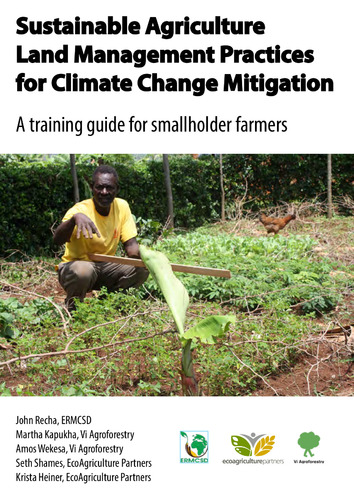
The Importance of Sustainable Agriculture Training
Sustainable agriculture training plays a crucial role in shaping the future of farming practices. As the world faces environmental challenges and increasing demands for food production, it is essential to educate farmers on sustainable methods that promote long-term viability and environmental stewardship.
Benefits of Sustainable Agriculture Training
One of the key benefits of sustainable agriculture training is its focus on preserving natural resources. By teaching farmers how to use techniques such as crop rotation, organic fertilisers, and integrated pest management, sustainable agriculture training helps reduce reliance on harmful chemicals and promotes soil health.
Furthermore, sustainable agriculture training encourages biodiversity by emphasising the importance of planting diverse crops and creating habitats for beneficial insects and wildlife. This not only enhances ecosystem resilience but also contributes to improved crop yields and reduced pest pressure.
The Role of Technology
In addition to traditional farming practices, sustainable agriculture training also incorporates the use of technology to maximise efficiency and productivity. From precision farming tools to data analytics for decision-making, technology plays a vital role in modern sustainable agriculture.
By providing farmers with access to the latest agricultural technologies and teaching them how to integrate these tools into their practices, sustainable agriculture training equips them with the skills needed to adapt to changing environmental conditions and market demands.
The Future of Farming
As we look towards a more sustainable future, investing in sustainable agriculture training becomes increasingly important. By empowering farmers with knowledge and skills that prioritise environmental conservation and economic viability, we can create a more resilient food system that meets the needs of present and future generations.
Empowering Farmers: The Benefits of Sustainable Agriculture Training
- Promotes environmental conservation and stewardship
- Improves soil health and fertility through organic practices
- Enhances biodiversity by encouraging diverse cropping systems
- Reduces reliance on synthetic chemicals and pesticides
- Empowers farmers with knowledge of modern sustainable farming techniques
Challenges in Adopting Sustainable Agriculture Training: Costs, Transition, Learning Curve, and Accessibility Issues
- Initial investment in sustainable agriculture training programmes can be costly for farmers, especially small-scale or resource-constrained operations.
- Transitioning to sustainable practices may require significant changes in farming techniques and infrastructure, leading to a temporary decrease in productivity during the adjustment period.
- Sustainable agriculture training may involve a steep learning curve for farmers who are accustomed to conventional methods, potentially causing resistance or reluctance to adopt new practices.
- Access to comprehensive sustainable agriculture training programmes may be limited in certain regions, hindering widespread adoption of sustainable farming practices.
Promotes environmental conservation and stewardship
Sustainable agriculture training plays a vital role in promoting environmental conservation and stewardship within the farming industry. By educating farmers on eco-friendly practices such as water conservation, soil health management, and biodiversity preservation, sustainable agriculture training instils a sense of responsibility towards the environment. Through implementing these sustainable methods, farmers contribute to the protection of natural resources, reduction of pollution, and overall enhancement of ecosystem health. This proactive approach not only benefits the environment but also ensures the long-term sustainability of agricultural practices for future generations.
Improves soil health and fertility through organic practices
Sustainable agriculture training offers a significant advantage by enhancing soil health and fertility through the adoption of organic practices. By teaching farmers to use natural fertilisers, crop rotation, and other organic methods, sustainable agriculture training helps to build and maintain soil nutrients, promote beneficial microbial activity, and reduce soil erosion. This proactive approach not only improves crop yields in the long term but also contributes to the overall health of the ecosystem by minimising chemical inputs and preserving soil quality for future generations.
Enhances biodiversity by encouraging diverse cropping systems
Enhancing biodiversity through the encouragement of diverse cropping systems is a significant advantage of sustainable agriculture training. By promoting the cultivation of a variety of crops and creating habitats for beneficial insects and wildlife, sustainable farming practices contribute to a more resilient and balanced ecosystem. Diverse cropping systems not only help improve soil health and fertility but also reduce the reliance on chemical inputs, ultimately leading to higher crop yields and enhanced natural pest control. This approach fosters a harmonious coexistence between agriculture and the environment, highlighting the importance of embracing diversity in farming practices for long-term sustainability.
Reduces reliance on synthetic chemicals and pesticides
By focusing on reducing reliance on synthetic chemicals and pesticides, sustainable agriculture training promotes environmentally-friendly farming practices that prioritise soil health and biodiversity. By adopting natural pest control methods, crop rotation, and organic fertilisers, farmers can minimise their impact on the ecosystem while still maintaining high yields. This approach not only protects the environment from harmful chemicals but also contributes to healthier produce and a more sustainable agricultural system in the long run.
Empowers farmers with knowledge of modern sustainable farming techniques
Empowering farmers with knowledge of modern sustainable farming techniques is a key advantage of sustainable agriculture training. By equipping farmers with the latest methods and technologies that promote environmental conservation and long-term viability, they are better positioned to enhance their productivity while minimising negative impacts on the environment. This knowledge enables farmers to adopt practices such as organic farming, crop rotation, and integrated pest management, leading to improved soil health, biodiversity, and overall sustainability of their agricultural operations.
Initial investment in sustainable agriculture training programmes can be costly for farmers, especially small-scale or resource-constrained operations.
One significant drawback of sustainable agriculture training is the initial financial burden it imposes on farmers, particularly those operating on a small scale or with limited resources. The cost of enrolling in training programmes, purchasing eco-friendly farming inputs, and implementing sustainable practices can be prohibitive for many farmers, making it challenging for them to adopt these methods. This financial barrier may prevent some farmers from accessing valuable training and resources that could otherwise help them transition to more sustainable farming practices, ultimately hindering the widespread adoption of environmentally friendly techniques in agriculture.
Transitioning to sustainable practices may require significant changes in farming techniques and infrastructure, leading to a temporary decrease in productivity during the adjustment period.
Transitioning to sustainable agriculture practices can present a challenge due to the need for significant changes in farming techniques and infrastructure. This transition period may result in a temporary decrease in productivity as farmers adapt to new methods and systems. Implementing sustainable practices often requires a shift away from conventional farming approaches, which can initially disrupt established routines and processes. However, despite the short-term decrease in productivity, the long-term benefits of sustainable agriculture training, such as improved soil health, biodiversity conservation, and environmental sustainability, outweigh the initial challenges faced during the adjustment period.
Sustainable agriculture training may involve a steep learning curve for farmers who are accustomed to conventional methods, potentially causing resistance or reluctance to adopt new practices.
Transitioning to sustainable agriculture practices can present a significant challenge for farmers accustomed to traditional methods. The shift towards sustainable agriculture training often requires a steep learning curve, which may lead to resistance or reluctance among farmers. Adjusting ingrained practices and embracing new techniques can be daunting, especially when faced with uncertainties about the effectiveness and profitability of sustainable methods. Overcoming this barrier of familiarity and comfort with conventional approaches is essential in promoting the widespread adoption of sustainable agriculture and realising its long-term benefits for both farmers and the environment.
Access to comprehensive sustainable agriculture training programmes may be limited in certain regions, hindering widespread adoption of sustainable farming practices.
Access to comprehensive sustainable agriculture training programmes may be limited in certain regions, hindering widespread adoption of sustainable farming practices. In areas where resources and infrastructure for agricultural education are scarce, farmers may struggle to access the knowledge and skills necessary to transition to more sustainable methods. This lack of training opportunities not only impedes individual farmers’ ability to improve their practices but also hinders the broader adoption of sustainable agriculture on a larger scale. Addressing this con requires increased investment in education and extension services to ensure that farmers worldwide have equitable access to the training needed to embrace sustainable farming practices for a more resilient agricultural future.