
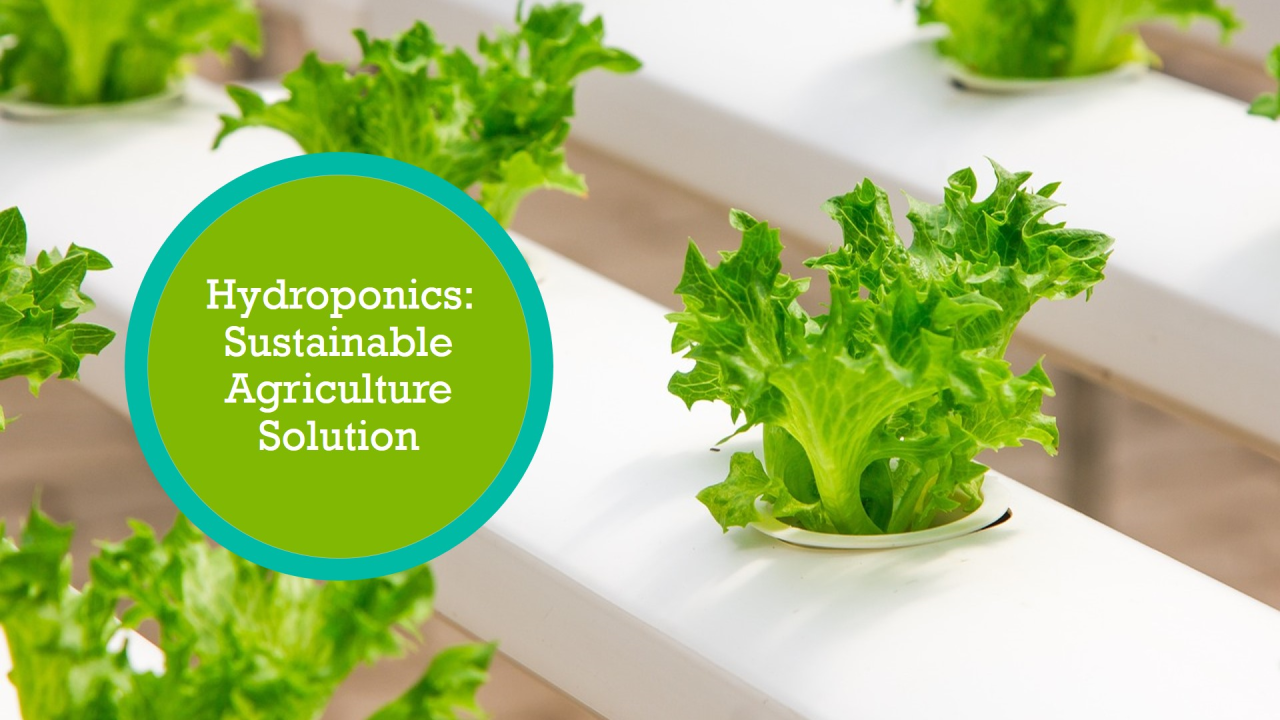
The Future of Farming: Sustainable Agriculture Solutions
Sustainable agriculture has become a pressing issue in today’s world as we face the challenges of climate change, soil degradation, and water scarcity. Farmers and agricultural experts are increasingly turning to innovative solutions to ensure the long-term viability of food production while minimising environmental impact.
Key Sustainable Agriculture Practices
Organic Farming: Organic farming methods eliminate the use of synthetic pesticides and fertilisers, promoting soil health and biodiversity.
Agroforestry: Integrating trees and shrubs into agricultural landscapes helps improve soil fertility, conserve water, and provide habitats for beneficial wildlife.
Precision Agriculture: By using technology such as GPS mapping and sensors, farmers can optimise their use of resources like water, fertilisers, and pesticides, reducing waste and increasing efficiency.
Innovative Sustainable Solutions
Vertical Farming: Vertical farming utilises vertical space to grow crops indoors under controlled conditions, reducing the need for land while maximising productivity.
Aquaponics: Aquaponics combines aquaculture (fish farming) with hydroponics (soilless plant cultivation), creating a symbiotic system where fish waste fertilises plants and plants purify water for fish.
Drip Irrigation: Drip irrigation delivers water directly to plant roots in a precise manner, minimising water wastage through evaporation or runoff.
The Benefits of Sustainable Agriculture
Sustainable agriculture solutions offer a range of benefits including:
- Promoting environmental conservation
- Enhancing soil health and fertility
- Reducing greenhouse gas emissions
- Increasing resilience to climate change
Seven Benefits of Sustainable Agriculture: From Environmental Conservation to Enhanced Food Quality
- Promotes environmental conservation
- Enhances soil health and fertility
- Reduces greenhouse gas emissions
- Increases resilience to climate change
- Conserves water resources
- Supports biodiversity and wildlife habitats
- Improves food quality and safety
Challenges in Adopting Sustainable Agriculture: Costs, Resistance, Yields, and Knowledge Barriers
- Initial implementation costs can be high, making it challenging for small-scale farmers to adopt sustainable practices.
- Transitioning to sustainable agriculture may require changes in traditional farming methods, which could face resistance from some farmers.
- Sustainable agriculture solutions may not always provide immediate or significant increases in crop yields compared to conventional farming practices.
- Some sustainable agricultural techniques require specialised knowledge and training, which could be a barrier for farmers with limited access to education.
Promotes environmental conservation
Sustainable agriculture solutions play a crucial role in promoting environmental conservation by encouraging practices that minimise the negative impact of farming on the ecosystem. By adopting methods such as organic farming, agroforestry, and precision agriculture, farmers can reduce pollution, preserve biodiversity, and protect natural resources like soil and water. This proactive approach not only safeguards the environment for future generations but also contributes to the overall health and sustainability of our planet.
Enhances soil health and fertility
Enhancing soil health and fertility is a crucial benefit of sustainable agriculture solutions. By adopting practices such as crop rotation, cover cropping, and organic fertilisation, farmers can improve the structure, nutrient content, and biodiversity of the soil. This not only increases crop yields in the long term but also helps to maintain the overall health of the ecosystem. Sustainable agriculture focuses on nurturing the soil as a living organism, ensuring its productivity for future generations while minimising the need for harmful chemical inputs.
Reduces greenhouse gas emissions
Sustainable agriculture solutions play a crucial role in reducing greenhouse gas emissions, contributing to the fight against climate change. By adopting practices such as organic farming, agroforestry, and precision agriculture, farmers can minimise their carbon footprint and mitigate the release of harmful gases into the atmosphere. These environmentally friendly approaches not only help to combat global warming but also promote a more sustainable and resilient agricultural system for future generations.
Increases resilience to climate change
One significant advantage of sustainable agriculture solutions is their ability to enhance resilience to climate change. By implementing practices that improve soil health, conserve water, and promote biodiversity, sustainable farming methods help agricultural systems adapt to the changing climate conditions. This resilience enables farmers to mitigate the impact of extreme weather events, such as droughts or floods, and maintain stable food production even in challenging environmental circumstances.
Conserves water resources
Sustainable agriculture solutions play a crucial role in conserving water resources, a vital pro that benefits both the environment and farming practices. By implementing techniques such as drip irrigation and rainwater harvesting, sustainable agriculture reduces water wastage and promotes efficient water use in crop production. This not only helps in mitigating water scarcity but also contributes to the long-term sustainability of agricultural systems, ensuring that future generations have access to an adequate and reliable water supply for food production.
Supports biodiversity and wildlife habitats
Sustainable agriculture solutions play a crucial role in supporting biodiversity and wildlife habitats. By implementing practices such as agroforestry and organic farming, farmers create diverse ecosystems that provide food and shelter for a variety of plant and animal species. Preserving natural habitats within agricultural landscapes helps to maintain biodiversity, allowing pollinators, beneficial insects, birds, and other wildlife to thrive. This not only contributes to the overall health of the ecosystem but also enhances crop resilience and promotes natural pest control mechanisms, ultimately leading to more sustainable and balanced agricultural systems.
Improves food quality and safety
Sustainable agriculture solutions play a crucial role in enhancing food quality and safety. By prioritising organic farming practices, reducing the use of harmful chemicals, and focusing on soil health, sustainable agriculture ensures that the food produced is free from harmful residues and contaminants. This proactive approach not only benefits consumers by providing them with nutritious and safe food but also contributes to the overall well-being of the environment and ecosystems.
Initial implementation costs can be high, making it challenging for small-scale farmers to adopt sustainable practices.
One significant drawback of sustainable agriculture solutions is the high initial implementation costs involved, which can present a considerable barrier for small-scale farmers looking to adopt these practices. The investment required for transitioning to sustainable methods, such as purchasing eco-friendly equipment, implementing new technologies, or undergoing training programmes, can be financially burdensome for farmers with limited resources. This financial challenge often hinders the widespread adoption of sustainable practices among small-scale farmers, despite their potential long-term benefits for both the environment and agricultural productivity.
Transitioning to sustainable agriculture may require changes in traditional farming methods, which could face resistance from some farmers.
Transitioning to sustainable agriculture may encounter resistance from some farmers due to the necessary changes in traditional farming practices. Farmers who have been accustomed to conventional methods for years may find it challenging to adopt new techniques and technologies associated with sustainability. Resistance can stem from concerns about initial investment costs, uncertainties about the effectiveness of sustainable practices, or simply a reluctance to deviate from familiar routines. Overcoming this con requires education, support, and demonstrating the long-term benefits of sustainable agriculture to encourage farmers to embrace change for a more environmentally friendly and resilient future.
Sustainable agriculture solutions may not always provide immediate or significant increases in crop yields compared to conventional farming practices.
Sustainable agriculture solutions may present a challenge in terms of immediate or substantial increases in crop yields when compared to conventional farming practices. While sustainable methods focus on long-term benefits such as soil health and environmental sustainability, the transition period to these practices may require adjustments and investments that could initially impact yield quantities. Farmers adopting sustainable agriculture solutions may need to be patient and strategic in implementing these practices to realise the full potential for improved yields over time.
Some sustainable agricultural techniques require specialised knowledge and training, which could be a barrier for farmers with limited access to education.
Some sustainable agricultural techniques present a challenge as they necessitate specialised knowledge and training, potentially acting as a barrier for farmers with restricted access to education. The requirement for specific expertise and training may hinder the adoption of sustainable practices among farmers who lack the resources or opportunities to acquire the necessary skills. This disparity in access to education could impede the widespread implementation of sustainable agriculture solutions, highlighting the importance of addressing educational barriers to ensure equitable participation in sustainable farming practices.