
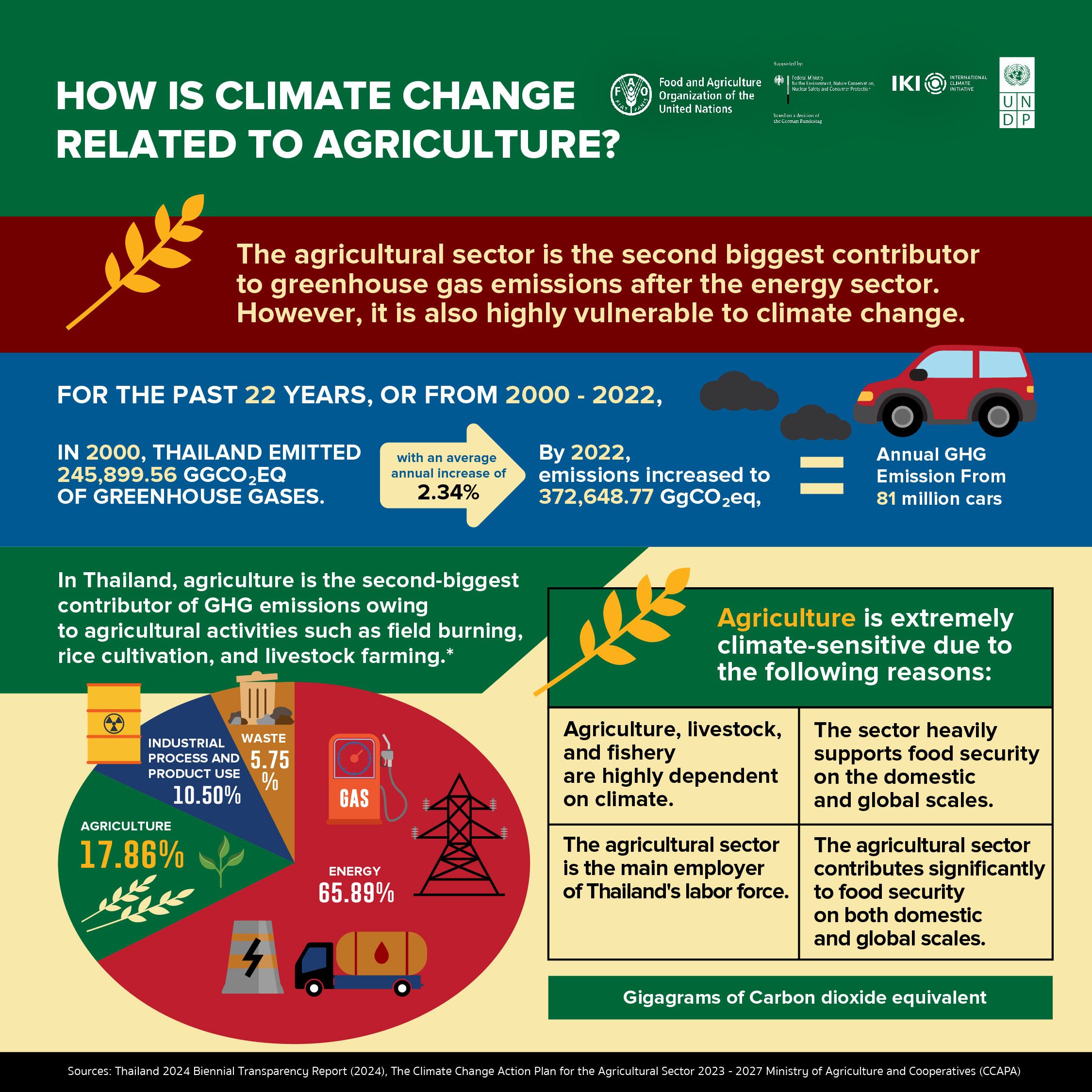
The Role of Sustainable Agriculture in Mitigating Climate Change
Climate change poses significant challenges to the agricultural sector, impacting food production, water resources, and overall ecosystem health. As global temperatures rise and extreme weather events become more frequent, the need for sustainable agricultural practices has never been more critical.
Sustainable agriculture focuses on meeting the needs of the present without compromising the ability of future generations to meet their own needs. By implementing environmentally friendly techniques and reducing reliance on harmful chemicals, sustainable farming plays a crucial role in mitigating climate change.
Key Benefits of Sustainable Agriculture in Addressing Climate Change:
- Carbon Sequestration: Sustainable farming practices such as agroforestry and cover cropping help sequester carbon dioxide from the atmosphere, reducing greenhouse gas emissions.
- Soil Health: Healthy soils act as a carbon sink, storing carbon and improving soil fertility. Practices like crop rotation and no-till farming enhance soil health and resilience to climate impacts.
- Water Conservation: Sustainable agriculture methods like drip irrigation and rainwater harvesting promote efficient water use, crucial in regions facing water scarcity due to climate change.
- Biodiversity Preservation: By promoting diverse crop varieties and natural habitats on farmland, sustainable agriculture supports biodiversity conservation and resilience against climate-related pests and diseases.
- Resilience to Extreme Weather: Sustainable farming practices enhance the resilience of agricultural systems to extreme weather events such as droughts, floods, and heatwaves caused by climate change.
In conclusion, sustainable agriculture offers a holistic approach to addressing climate change while ensuring food security for future generations. By adopting sustainable practices at both individual and policy levels, we can create a more resilient and environmentally friendly agricultural sector that contributes positively to mitigating the impacts of climate change.
Seven Essential Tips for Sustainable Agriculture in the Face of Climate Change
- Practice crop rotation to maintain soil health and fertility.
- Use organic farming methods to reduce reliance on synthetic pesticides and fertilisers.
- Implement water-saving irrigation techniques, such as drip irrigation.
- Plant cover crops to prevent soil erosion and improve moisture retention.
- Promote biodiversity on your farm by planting a variety of crops and creating habitat for beneficial insects.
- Reduce food waste by planning harvests efficiently and exploring options for surplus produce.
- Stay informed about sustainable agriculture practices and continue learning about climate-smart farming techniques.
Practice crop rotation to maintain soil health and fertility.
To maintain soil health and fertility while combating the effects of climate change, a crucial tip is to practice crop rotation in sustainable agriculture. Crop rotation involves alternating the types of crops grown in a specific field seasonally or annually. This technique helps prevent soil depletion, reduces the build-up of pests and diseases, and improves nutrient availability in the soil. By diversifying crop species and their planting locations, farmers can enhance soil structure, promote biodiversity, and contribute to long-term sustainability in agriculture amidst changing climate conditions.
Use organic farming methods to reduce reliance on synthetic pesticides and fertilisers.
Using organic farming methods is a key strategy in sustainable agriculture to combat the challenges posed by climate change. By reducing reliance on synthetic pesticides and fertilisers, organic farming promotes healthier ecosystems, minimises soil and water contamination, and helps preserve biodiversity. Organic practices not only contribute to mitigating climate change by reducing greenhouse gas emissions but also enhance soil health and resilience to extreme weather events. Embracing organic farming methods is a proactive step towards building a more sustainable and environmentally friendly agricultural system for the future.
Implement water-saving irrigation techniques, such as drip irrigation.
Implementing water-saving irrigation techniques, such as drip irrigation, is a crucial step in promoting sustainable agriculture and combating the effects of climate change. Drip irrigation delivers water directly to the roots of plants, minimising water wastage and promoting efficient water use. By reducing water consumption and mitigating the impact of water scarcity exacerbated by climate change, farmers can enhance crop yields while conserving precious resources for future generations. Embracing practices like drip irrigation not only improves agricultural productivity but also contributes to environmental sustainability by reducing runoff and soil erosion.
Plant cover crops to prevent soil erosion and improve moisture retention.
Planting cover crops is a valuable practice in sustainable agriculture for combating the effects of climate change. By introducing cover crops into farming systems, soil erosion can be significantly reduced, helping to maintain soil structure and fertility. Additionally, these crops play a crucial role in improving moisture retention in the soil, which is essential for sustaining plant growth, especially during periods of drought. Overall, incorporating cover crops into agricultural practices not only promotes soil health but also contributes to mitigating the impacts of climate change on farmland ecosystems.
Promote biodiversity on your farm by planting a variety of crops and creating habitat for beneficial insects.
Promoting biodiversity on your farm is a key strategy in sustainable agriculture to combat climate change. By planting a diverse range of crops and creating habitats for beneficial insects, farmers can enhance ecosystem resilience and productivity. Diverse crop varieties not only improve soil health and fertility but also provide natural pest control, reducing the need for harmful pesticides. Additionally, attracting beneficial insects like pollinators and predators helps maintain a balanced ecosystem, contributing to overall farm sustainability and mitigating the impacts of climate change on agricultural systems.
Reduce food waste by planning harvests efficiently and exploring options for surplus produce.
Reducing food waste is a crucial aspect of sustainable agriculture in the face of climate change. By planning harvests efficiently and exploring options for surplus produce, farmers can minimise wastage and contribute to a more sustainable food system. Implementing strategies such as coordinating harvest schedules with market demand, donating excess produce to food banks, or utilising surplus crops for animal feed or compost can help reduce the environmental impact of food production while ensuring that valuable resources are not squandered. This proactive approach not only helps in combating climate change but also promotes a more efficient and responsible use of agricultural resources.
Stay informed about sustainable agriculture practices and continue learning about climate-smart farming techniques.
To effectively address the challenges posed by climate change in agriculture, it is crucial to stay informed about sustainable agriculture practices and continuously expand knowledge on climate-smart farming techniques. By remaining updated on the latest advancements in sustainable agriculture and embracing climate-resilient strategies, farmers can adapt to changing environmental conditions, enhance productivity, and contribute to mitigating the impacts of climate change on food production systems. Continuous learning and awareness play a key role in promoting sustainable practices that benefit both the environment and agricultural communities in the long term.