
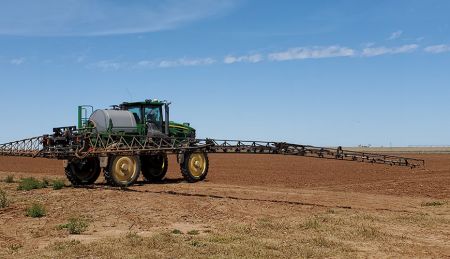
Spraying Course for Farmers: Enhancing Agricultural Practices
In the ever-evolving field of agriculture, staying informed about the latest techniques and technologies is crucial for farmers to maximise their yields and protect their crops. One such essential skill is proper spraying, which plays a vital role in pest management and crop protection.
Recognising the importance of this skill, many agricultural institutions and organisations offer specialised spraying courses for farmers. These courses cover a wide range of topics, including:
- Understanding different types of sprayers and their applications
- Learning about various pesticides and herbicides
- Practising safe handling and application techniques
- Implementing integrated pest management strategies
- Complying with environmental regulations
Participating in a spraying course not only enhances farmers’ knowledge but also improves the efficiency and effectiveness of their spraying practices. By mastering proper spraying techniques, farmers can minimise crop damage, reduce pesticide wastage, and ultimately increase their yields.
Moreover, these courses provide farmers with an opportunity to network with industry experts and fellow agriculturalists. Sharing experiences and insights can further enrich their understanding of spraying practices and foster a sense of community within the farming sector.
As agriculture continues to face challenges such as climate change and evolving pest pressures, staying up-to-date with best practices is paramount. Enrolling in a spraying course equips farmers with the skills and knowledge needed to adapt to these challenges effectively.
In conclusion, investing time in attending a spraying course can yield significant benefits for farmers looking to optimise their agricultural practices. By honing their spraying skills through education and training, farmers can cultivate healthier crops, protect the environment, and contribute to sustainable agriculture.
Essential FAQs on Spraying Courses for Farmers: Certification, PA6 Qualification, and Pesticide Training
- Do I need a certificate to spray weeds?
- What is the PA6 qualification?
- Which course is best for pesticides?
- What qualifications do you need to spray pesticides?
Do I need a certificate to spray weeds?
When it comes to spraying weeds on your farm, having a certificate is often a legal requirement in many regions. Obtaining a certification demonstrates that you have received proper training in handling pesticides and herbicides safely and effectively. This certification ensures that you are aware of the potential risks associated with spraying chemicals and are equipped with the knowledge to minimise these risks while maximising the efficacy of weed control. Therefore, it is advisable to check local regulations and consider enrolling in a spraying course to obtain the necessary certification before engaging in weed spraying activities on your farm.
What is the PA6 qualification?
The PA6 qualification is a certification that demonstrates a farmer’s proficiency in handling and applying pesticides safely and effectively. Specifically focusing on knapsack spraying equipment, the PA6 qualification covers essential topics such as calibration, nozzle selection, application techniques, and safety measures. Holding a PA6 qualification signifies that a farmer has undergone training to meet industry standards in pesticide application, ensuring responsible and precise use of chemicals in agriculture.
Which course is best for pesticides?
When farmers inquire about the best course for pesticides, it is essential to consider a programme that covers a comprehensive range of topics related to pesticide application and management. An ideal course should provide in-depth knowledge on different types of pesticides, their modes of action, application techniques, safety measures, and environmental considerations. Furthermore, practical hands-on training and guidance on integrated pest management strategies can greatly benefit farmers seeking to enhance their pesticide expertise. By selecting a course that offers a well-rounded curriculum and practical skills development, farmers can make informed decisions regarding pesticide usage and contribute to sustainable agricultural practices.
What qualifications do you need to spray pesticides?
When considering the question “What qualifications do you need to spray pesticides?” in the context of farming practices, it is essential for farmers to understand that pesticide application is a regulated activity that requires specific certifications and training. In most regions, farmers must obtain a pesticide application certificate or license to legally spray pesticides. These qualifications typically involve completing a recognised training course that covers topics such as pesticide handling, application techniques, safety precautions, and environmental considerations. By acquiring the necessary qualifications, farmers demonstrate their commitment to responsible pesticide use and ensure compliance with regulatory standards aimed at protecting both crop health and environmental sustainability.