
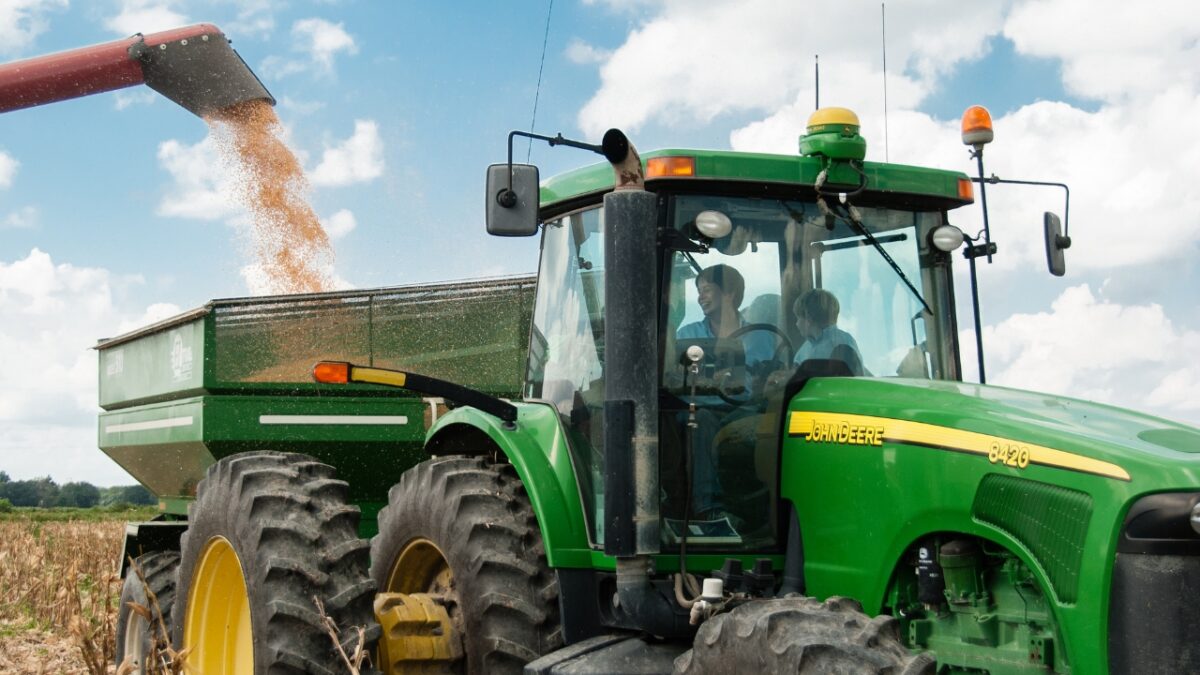
Farm Machinery Training in the Southern Region
Modern farm machinery can make agricultural work more efficient, but operating it safely requires the right knowledge and practical skills. Farm machinery training in the southern region can help new entrants, experienced workers and farm owners build confidence, improve safety and use equipment more effectively.
Why farm machinery training matters
Tractors and other agricultural machines are powerful tools. Incorrect operation, poor maintenance or a lack of awareness around moving equipment can put operators and others at risk. Training helps participants understand how machinery works, recognise hazards and follow safe working practices.
Good training can also help farms reduce avoidable damage to equipment and crops. Operators who understand the capabilities and limitations of a machine are better placed to carry out tasks accurately and make informed decisions in the field.
What training may cover
Course content varies according to the provider, equipment and experience of participants. Programmes may include:
- Pre-operation checks and basic maintenance
- Safe tractor operation and manoeuvring
- Using and attaching implements
- Working on slopes and uneven ground
- Awareness of pedestrians, livestock and other vehicles
- Recognising common mechanical problems
- Safe parking, shutdown and storage procedures
Some providers also offer instruction on specialist equipment, such as loaders, sprayers, harvest machinery or material-handling equipment. The range available will depend on local agricultural needs and the provider’s facilities.
Who can benefit?
Farm machinery training can be useful for people starting a career in agriculture, seasonal workers, farm employees taking on new responsibilities and experienced operators who need to refresh their skills. It may also suit farm managers seeking to strengthen safety practices across their teams.
Before enrolling, check whether the course is suitable for your experience level and the machinery you expect to use. Some programmes are designed for beginners, while others focus on particular machines or build on existing operator skills.
Choosing a training provider
When comparing training options in the southern region, ask about the course syllabus, the amount of supervised practical work and the types of machinery used. Find out whether the training is delivered by suitably experienced instructors and whether any assessment or certificate is included.
It is also worth checking the course location, dates, costs and any requirements for participants. If you need training for a specific job or piece of equipment, confirm that the course covers it before booking. Requirements and recognised qualifications can vary, so check with the relevant employer or local authority where applicable.
Building safer, more capable farm teams
Effective farm machinery training combines clear instruction with practical experience. By learning to inspect, operate and care for equipment responsibly, operators can contribute to safer working conditions and more dependable day-to-day farm operations.
Whether you are new to agriculture or looking to develop existing skills, exploring farm machinery training in the southern region is a practical step towards working with greater confidence and care.
Southern Region Farm Machinery Training: Frequently Asked Questions
- What types of farm machinery are covered in southern region training courses?
- Who can enrol on farm machinery training courses in the southern region?
- Do I need previous experience to take a farm machinery training course?
- How long does farm machinery training usually take?
- Where can I find farm machinery training courses in the southern region?
- How much does farm machinery training cost?
- Will I receive a certificate or qualification after completing the training?
- Does farm machinery training include practical instruction and safety procedures?
What types of farm machinery are covered in southern region training courses?
Southern region farm machinery training courses may cover tractors, loaders, trailers and common implements, as well as specialist equipment such as sprayers or harvesting machinery. The exact range varies by provider and course, so check the syllabus to make sure it includes the equipment you need to operate.
Who can enrol on farm machinery training courses in the southern region?
Farm machinery training courses in the southern region may be suitable for new entrants to agriculture, farm employees, seasonal workers, farm managers and experienced operators looking to refresh or develop their skills. Entry requirements vary by course: some are designed for beginners, while others may expect previous experience or focus on particular machinery. Check with the training provider to confirm the course is appropriate for your experience and any specific equipment you need to operate.
Do I need previous experience to take a farm machinery training course?
In most cases, you do not need previous experience to take a farm machinery training course, as many providers offer beginner-level options. Courses typically cover essential safety guidance and practical skills, with instruction suited to your starting level. However, entry requirements vary, particularly for specialist machinery or advanced training, so check with the provider before booking.
How long does farm machinery training usually take?
Farm machinery training can take anywhere from a few hours to several days, depending on the equipment, course content and your previous experience. A short course may cover basic safety and operation, while more in-depth training can include supervised practice, maintenance and assessment. Check with the training provider for the expected duration and whether any preparation is required.
Where can I find farm machinery training courses in the southern region?
Farm machinery training courses in the southern region may be available through agricultural colleges, specialist training providers and local farming organisations. Search online for courses near you, or contact your local agricultural college or farming association for recommendations. Before booking, check that the course covers the machinery and skills you need, and confirm the location, dates, costs and any entry requirements.
How much does farm machinery training cost?
The cost of farm machinery training in the southern region varies depending on the course length, equipment covered, training provider and whether the programme includes assessment or certification. To find the right option for your needs, contact local providers for a detailed price and check what is included, such as machinery use, protective equipment and any follow-up support.
Will I receive a certificate or qualification after completing the training?
Whether you receive a certificate or qualification depends on the course and training provider. Some programmes provide a certificate of completion, while others may lead to a recognised qualification or operator assessment. Check the course details before enrolling to confirm what is awarded and whether it meets your employer’s or industry’s requirements.
Does farm machinery training include practical instruction and safety procedures?
Yes. Farm machinery training typically combines practical instruction with essential safety procedures. Participants may learn how to carry out pre-use checks, operate equipment correctly, attach implements and recognise potential hazards. The exact content varies by course and provider, so check that the training covers the machinery you need and includes supervised hands-on practice.