
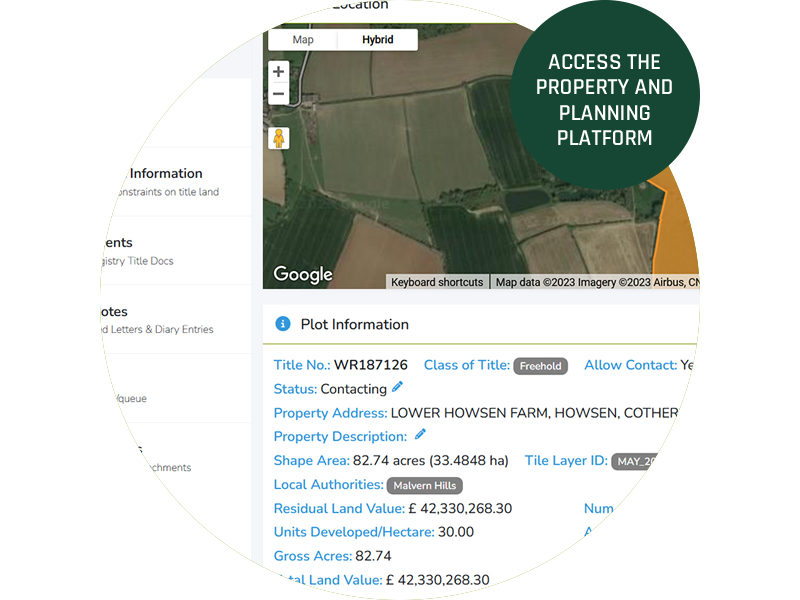
Web Access to Land Information: Making Land Easier to Find
Finding suitable land is an important step for anyone planning to start or grow a farm. Yet details about available plots, land use, access and local conditions can be difficult to gather. Web access to land information can make the search more straightforward, helping aspiring farmers explore opportunities and prepare the right questions before making contact.
What does web access to land information mean?
It means being able to search for and review land-related information online. Depending on the service and location, this may include details such as a plot’s general location, size, current or permitted use, access routes, services nearby and contact information for the relevant owner or organisation.
Some websites bring different information together in one place, while others link to official records, maps or local listings. The amount of information available varies, so online details should be treated as a starting point rather than a substitute for proper checks.
How online information can help farmers
Online access can help farmers compare opportunities without having to make repeated visits or rely solely on word of mouth. A search may help identify land that appears suitable for particular activities, such as growing crops, keeping livestock or developing a small-scale farm. Maps and location details can also help users consider distances to markets, suppliers, transport links and local services.
For new entrants to farming, having information available online can make the early stages of a search more accessible. It can help people understand what questions to ask, prepare for conversations with landowners and narrow down the options worth investigating further.
Information to look for
When reviewing a land listing or online record, it can be useful to check:
- Location and boundaries: Confirm the precise location and establish which areas are included.
- Size and layout: Consider whether the land’s area, shape and terrain suit your plans.
- Access: Find out how the land can be reached and whether access is suitable for vehicles, machinery or livestock.
- Current use and restrictions: Check what activities are permitted and whether planning, environmental or other restrictions may apply.
- Water and other services: Ask about water supply, drainage, electricity and any infrastructure you may need.
- Tenure and terms: Clarify whether the land is offered for sale, rent, licence or another arrangement, and review any proposed conditions.
- Who to contact: Make sure you know whether enquiries should go to an owner, agent, public body or another organisation.
Verify before making a decision
Information found online may be incomplete, out of date or intended only as a general guide. Before making a commitment, confirm important details with the landowner or responsible organisation. Depending on the location and circumstances, you may also need to consult official land records, planning authorities or qualified legal and property professionals.
It is particularly important to check boundaries, access rights, permitted uses and the terms of any agreement. Visiting the site can reveal practical considerations that are not obvious from a listing or map, such as ground conditions, drainage, neighbouring activities and the condition of access routes.
Using online land information responsibly
Good land information should be clear about where its details come from and when they were last updated. Users should also pay attention to privacy and contact arrangements, and avoid sharing sensitive personal or business information through channels they have not verified.
For organisations providing land information, clear descriptions, accessible maps and straightforward enquiry routes can help prospective farmers assess opportunities more effectively. Keeping listings up to date is equally important: accurate information saves time for land seekers and for the people managing the land.
A useful first step
Web access will not answer every question about a piece of land, but it can make the search more manageable. By combining online research with direct conversations, site visits and appropriate professional advice, farmers can make better-informed decisions about where and how to develop their plans.
8 Tips for Accessing Land Information Online
- Check the Land Registry for ownership and title details.
- Use official council maps for planning constraints.
- Search for flood-risk information before buying.
- Check public rights of way on local authority maps.
- Compare boundary maps with the property title plan.
- Look up planning applications near the land.
- Verify information with the relevant local authority.
- Use secure websites when sharing personal details.
Check the Land Registry for ownership and title details.
Before pursuing a plot, check the Land Registry for available ownership and title details. These records can help you identify the registered owner and understand key information about the property, such as its boundaries and any rights or restrictions recorded against the title. Use this as an initial check, and seek professional advice if anything is unclear or needs to be confirmed.
Use official council maps for planning constraints.
Use your local council’s official maps to check for planning constraints before pursuing a plot. These may show designations such as conservation areas, flood risk zones, protected habitats or land-use restrictions that could affect what you are able to do. Map information is a useful starting point, but check the details with the council’s planning team before making decisions, as restrictions and records can change.
Search for flood-risk information before buying.
Before buying land, search for up-to-date flood-risk information for the site and its surrounding area. Flooding can affect access, soil conditions, buildings, crops and insurance costs, so check official maps and guidance, and ask the seller about any past incidents. Treat online results as a starting point: confirm the details with the relevant local authority or other appropriate body, and consider professional advice before making a decision.
Check public rights of way on local authority maps.
Before choosing a plot, check your local authority’s public rights of way map to see whether footpaths, bridleways or other routes cross or border the land. These routes may affect access, privacy and day-to-day farm operations, so confirm their location and any relevant responsibilities with the council before making a decision.
Compare boundary maps with the property title plan.
Compare boundary maps with the property title plan to check that the land shown online matches the area described in the official ownership records. Maps can be useful for an initial review, but boundaries may be indicative or out of date, so don’t rely on them alone. If anything is unclear or the documents appear inconsistent, ask the landowner or a qualified property professional to clarify before making a decision.
Look up planning applications near the land.
Check the local council’s planning portal for applications on or near the land. Nearby proposals—such as new buildings, roads or changes of use—could affect access, traffic, drainage, noise or future plans for the site. Review the application documents and current status, and contact the planning authority if anything is unclear; an application is not necessarily approved or going ahead.
Verify information with the relevant local authority.
Before making decisions based on land information found online, verify key details with the relevant local authority. Records and listings may be incomplete or out of date, and rules on planning, land use, access or environmental protection can vary by area. The authority can direct you to current information and help clarify which requirements may apply to your plans.
Use secure websites when sharing personal details.
When using online services to search for land, share personal details only through secure, trustworthy websites. Check that the web address begins with “https://”, look for clear privacy information and make sure you know who will receive your details. Avoid sending sensitive information through unfamiliar links or unverified forms; if you are unsure, contact the organisation directly using its official contact details.