
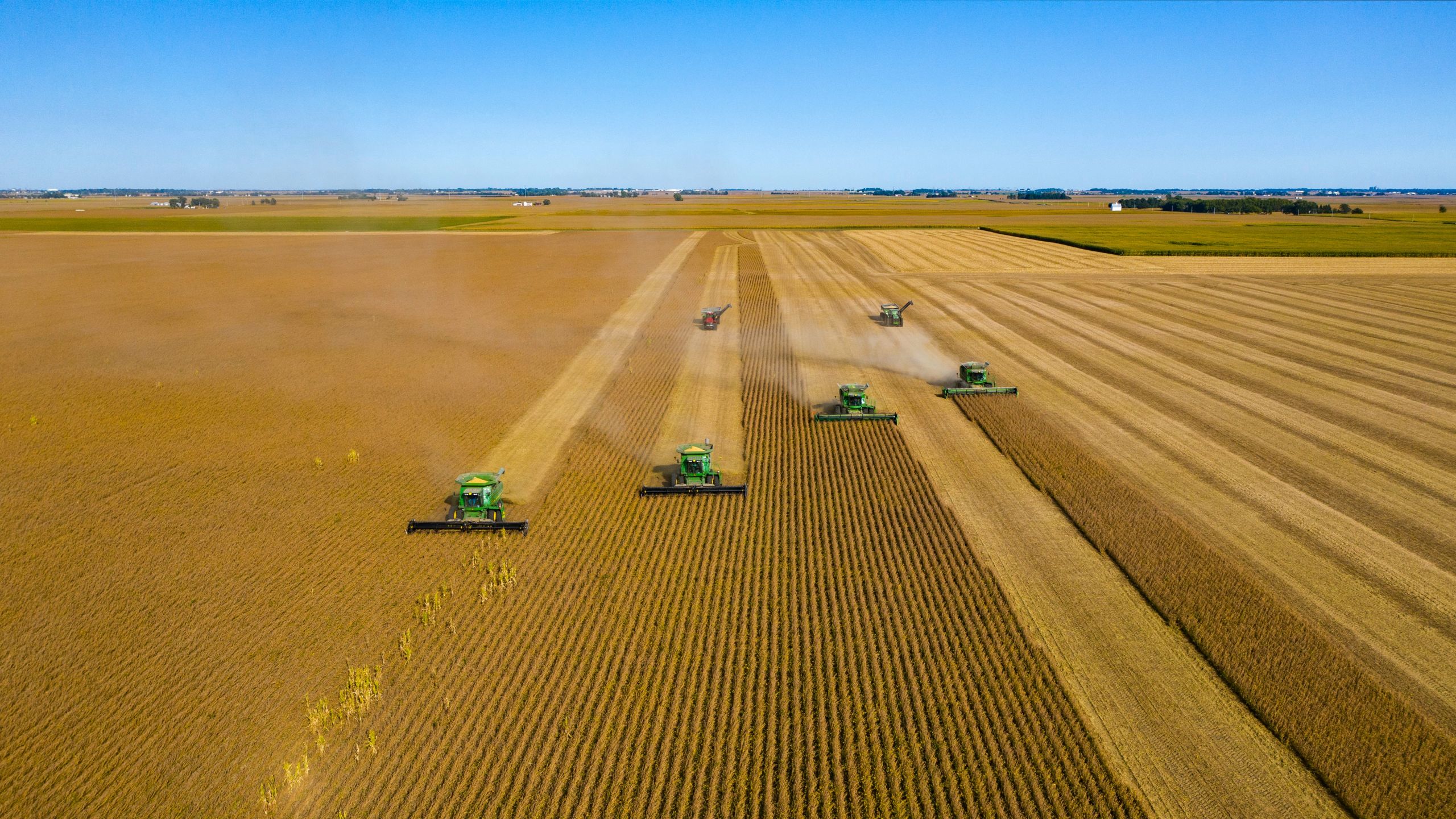
Smart Farming: The Future of Agriculture
Agriculture is changing. Farmers are facing pressure to produce more food while using resources carefully, adapting to unpredictable weather and protecting the health of the soil. Smart farming offers one way to meet these challenges by combining agricultural knowledge with digital tools and data.
What is smart farming?
Smart farming, sometimes called precision agriculture, uses technology to help farmers make better-informed decisions. Tools can include GPS-guided machinery, soil and weather sensors, drones, satellite imagery, automated irrigation and farm-management software. These systems collect and interpret information about crops, livestock and land, helping farmers decide what action is needed, where and when.
For example, soil sensors can monitor moisture levels across a field. Rather than watering an entire area on a fixed schedule, a farmer can use the data to irrigate only where and when it is needed. Similarly, satellite images or drone surveys may help identify areas of a crop that need closer attention.
Potential benefits for farmers and the environment
One of the main advantages of smart farming is more precise use of resources. Better information can help reduce unnecessary applications of water, fertiliser and crop protection products. This may lower costs for farmers and help limit the impact of farming on surrounding ecosystems.
Technology can also make farm work more efficient. Automated equipment and digital monitoring may save time, support more timely decisions and help farmers manage larger or more complex operations. In livestock farming, monitoring tools can provide information about animals’ movement or behaviour, helping farmers spot possible welfare or health concerns sooner.
Data can also help farmers plan for changing conditions. Weather forecasts, soil information and records from previous seasons can support decisions about planting, harvesting and managing risks. While no technology can remove uncertainty from farming, timely information can make it easier to prepare.
Challenges to overcome
Smart farming is not a simple solution for every farm. Sensors, machinery and software can be expensive to buy and maintain, and some tools require reliable internet access or technical support. Smaller farms may find it difficult to afford the initial investment, even when a technology could bring long-term benefits.
There are also questions about data ownership, privacy and compatibility. Farmers need to understand who can access their data and how it may be used. Different devices and software platforms do not always work well together, which can make it harder to build a connected system. Training is important too: technology is most useful when farmers have the confidence and support to interpret the information it provides.
Technology and practical farming knowledge
Smart farming works best when digital tools support, rather than replace, farmers’ experience. Data can reveal patterns and highlight areas that need attention, but local knowledge remains essential. Soil, weather and growing conditions can vary considerably, and farmers are best placed to judge how information applies to their land and operation.
The aim is not to use technology for its own sake. It is to choose tools that solve real problems, are practical to maintain and provide useful information for decision-making.
What might the future hold?
As sensors, connectivity and data-analysis tools develop, smart farming is likely to become more accessible and better integrated. Advances in automation may take on repetitive tasks, while improved forecasting and monitoring could help farmers respond more quickly to emerging problems. These developments may also support more transparent supply chains and provide clearer records of how food is produced.
However, the future of agriculture will depend on more than technology. Affordable access, reliable infrastructure, practical training and strong safeguards for farm data will all matter. The needs of farmers, rural communities and the environment must remain central to decisions about which innovations to adopt.
A useful tool for a changing industry
Smart farming has the potential to make agriculture more informed, efficient and responsive. It cannot solve every challenge facing the food system, but used thoughtfully, it can help farmers manage resources, understand their land and plan for the future. The most successful approach will bring together sound agricultural practice, useful technology and the knowledge of the people who work the land.
Exploring the Future of Agriculture: AI, Smart Farming, and the Evolution of Farms
- Will AI replace agriculture?
- What will happen to farms in the future?
- What is the difference between smart farming and smart agriculture?
- What is the future of smart farming?
Will AI replace agriculture?
Artificial Intelligence (AI) is set to play a significant role in the future of agriculture, but it is unlikely to replace traditional farming entirely. Instead, AI is poised to complement and enhance agricultural practices by providing farmers with advanced tools for decision-making, data analysis, and automation. Through applications such as predictive analytics, crop monitoring, and autonomous machinery, AI can help optimise resource use, increase efficiency, and improve yields. However, the expertise and intuition of farmers remain irreplaceable. The integration of AI into agriculture aims to support farmers by reducing manual labour and enabling more precise farming techniques rather than replacing human involvement altogether.
What will happen to farms in the future?
Farms in the future are likely to combine traditional farming knowledge with smart technologies such as sensors, drones, automated machinery and data tools. These innovations could help farmers use water and energy more efficiently, monitor crops and livestock, and respond more quickly to changing weather. However, technology will not replace farmers: their experience and judgement will remain essential. The pace of change will vary, depending on each farm’s needs, resources and access to training and reliable connectivity.
What is the difference between smart farming and smart agriculture?
Smart farming and smart agriculture are often used interchangeably, as both describe the use of technologies such as sensors, GPS, automation and data analysis to improve agricultural production. However, “smart agriculture” can be understood as the broader term, covering technology-led improvements across the whole agricultural sector, including crop and livestock production, supply chains and resource management. “Smart farming” more often refers specifically to applying these tools on farms to monitor and manage day-to-day activities. In practice, the distinction is not always strict, and both approaches aim to make agriculture more efficient, informed and sustainable.
What is the future of smart farming?
The future of smart farming lies in using connected technologies—such as sensors, artificial intelligence, drones and automated machinery—to help farmers make timely, informed decisions. These tools could improve crop and livestock monitoring, use water and other resources more efficiently, and help farms adapt to changing weather and growing conditions. Their benefits will depend on making technology affordable, reliable and easy to use, while protecting farmers’ data and combining digital insights with practical experience.