
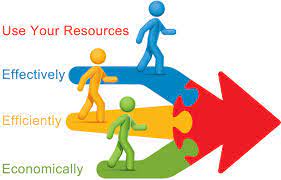
The Role of Resources in Achieving Success
Resources play a crucial role in determining the success of any endeavour, whether it be a business venture, an educational pursuit, or a personal goal. Defined as anything that can be used to achieve an objective or goal, resources come in various forms and are essential for progress and growth.
Nature of Resources
Resources can be tangible, such as money, equipment, or physical assets, or intangible, such as knowledge, skills, and relationships. Both types are valuable and contribute to the overall success of an individual or organisation.
Importance of Resources
Having access to the right resources can make a significant difference in one’s ability to succeed. Adequate resources provide the necessary support and tools to overcome challenges, seize opportunities, and achieve desired outcomes.
Maximising Resources
To maximise the benefits of resources, proper planning and allocation are essential. Understanding how to effectively utilise available resources can lead to increased efficiency, productivity, and ultimately success.
Challenges in Resource Management
Despite the importance of resources, managing them effectively can present challenges. Limited availability, competition for resources, and changing needs require careful consideration and strategic decision-making.
Conclusion
In conclusion, resources are fundamental to achieving success in any endeavour. By recognising their value, leveraging them effectively, and adapting to changing circumstances, individuals and organisations can optimise their potential for growth and accomplishment.
Understanding Resources: Key Questions and Definitions
- What are 4 resources?
- What is a resource in geography?
- What is the synonym for resource?
- What is meaning of a resource?
- What is the meaning of resources?
- What are 3 types of resources?
- What is a resource and examples?
- What are 5 types of resources?
What are 4 resources?
When asked about the four essential resources, it typically refers to the categories of resources that are fundamental for various activities and industries. These four key types of resources are often identified as natural resources, human resources, capital resources, and information resources. Natural resources encompass materials found in nature such as water, minerals, and forests. Human resources refer to the workforce and their skills, knowledge, and expertise. Capital resources include financial assets and physical infrastructure used for production. Information resources involve data, technology, and intellectual property that support decision-making and innovation across different sectors. Understanding and effectively managing these four types of resources are vital for achieving success in diverse endeavours.
What is a resource in geography?
In geography, a resource refers to any material or substance that can be utilised to meet human needs or enhance the quality of life. Resources in geography can be classified into natural resources, such as water, minerals, and forests, which are derived from the environment; human resources, including skills, knowledge, and labour force; and capital resources, such as infrastructure, technology, and financial assets. Understanding and managing these diverse resources are essential in geographical studies to analyse patterns of distribution, economic development, environmental impact, and sustainability within different regions of the world.
What is the synonym for resource?
A common synonym for the word “resource” is “asset.” In various contexts, both terms are used interchangeably to refer to something that can be utilised to achieve a particular goal or objective. Just like a resource, an asset is seen as a valuable tool or advantage that can be leveraged to enhance productivity, overcome challenges, and drive success in different endeavours.
What is meaning of a resource?
A resource is defined as anything that can be utilised to achieve a specific goal or objective. Resources come in various forms, including tangible assets like money, equipment, and materials, as well as intangible assets such as knowledge, skills, and relationships. Essentially, a resource is a tool or asset that can be harnessed to facilitate progress, overcome challenges, and drive success in different endeavours. Understanding the meaning of a resource is essential for effective resource management and optimising their use to accomplish desired outcomes.
What is the meaning of resources?
The term “resources” refers to anything that can be utilised to achieve a specific goal or objective. Resources come in various forms, including tangible assets like money, equipment, and physical materials, as well as intangible assets such as knowledge, skills, and relationships. These resources are essential for progress and success in different aspects of life, whether it be in business ventures, educational pursuits, or personal aspirations. Understanding the meaning of resources is crucial for recognising their value and harnessing them effectively to overcome challenges and achieve desired outcomes.
What are 3 types of resources?
In the context of resource classification, three main types are typically identified: natural resources, human resources, and capital resources. Natural resources encompass elements found in the environment, such as water, minerals, and forests. Human resources refer to the skills, knowledge, and abilities possessed by individuals that contribute to productivity and innovation. Capital resources comprise financial assets, equipment, and infrastructure that are utilised to facilitate economic activities and enhance efficiency in various sectors. Understanding the distinct characteristics and significance of these resource types is essential for effective resource management and sustainable development.
What is a resource and examples?
A resource is anything that can be utilised to achieve a specific goal or objective. Resources come in various forms, including tangible assets like money, equipment, and raw materials, as well as intangible assets such as knowledge, skills, and relationships. Examples of resources include financial capital for investment purposes, technological tools for efficiency improvements, human capital for workforce development, and natural resources like water and land for agricultural activities. Understanding the diverse nature of resources and how to effectively leverage them is essential for success in any endeavour.
What are 5 types of resources?
In response to the frequently asked question, “What are 5 types of resources?”, it is important to note that resources can be classified into various categories based on their nature and utility. The five main types of resources commonly identified are natural resources (such as water, minerals, and forests), human resources (referring to the skills, knowledge, and labour of individuals), financial resources (including money and capital for investment), technological resources (comprising tools, machinery, and innovations), and informational resources (encompassing data, research findings, and intellectual property). Each type of resource plays a vital role in supporting different aspects of society and economy, highlighting the diverse range of assets essential for sustainable development and progress.