
The Power of Regenerative Farming
Regenerative farming is a holistic approach to agriculture that focuses on improving and revitalising the health of the soil, ecosystems, and communities. Unlike conventional farming methods that often deplete natural resources and harm the environment, regenerative farming aims to restore the land’s fertility and biodiversity while promoting sustainability.
Key Principles of Regenerative Farming
Regenerative farming is guided by several key principles that set it apart from traditional agricultural practices:
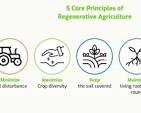
- Soil Health: Central to regenerative farming is the belief that healthy soil is the foundation of a successful farm. By using techniques such as cover cropping, crop rotation, and minimal tillage, regenerative farmers work to enhance soil structure, fertility, and microbial diversity.
- Biodiversity: Encouraging biodiversity on farms helps create resilient ecosystems that are better equipped to withstand pests, diseases, and climate fluctuations. Planting diverse crops, integrating livestock into cropping systems, and preserving natural habitats are common practices in regenerative agriculture.
- Water Management: Regenerative farmers focus on conserving water resources through strategies like rainwater harvesting, contour ploughing, and implementing irrigation systems that minimise water wastage. By improving water retention in the soil, they can reduce erosion and enhance crop resilience.
- Community Engagement: Regenerative farming emphasises building strong relationships within local communities. Farmers often collaborate with consumers, policymakers, and other stakeholders to promote sustainable food systems and support small-scale producers.
The Benefits of Regenerative Farming
The adoption of regenerative farming practices offers a wide range of benefits for both farmers and the environment:
- Sustainability: Regenerative farming promotes long-term sustainability by improving soil health, reducing chemical inputs, and enhancing ecosystem resilience.
- Climate Resilience: By sequestering carbon in the soil through practices like agroforestry and rotational grazing, regenerative agriculture plays a crucial role in mitigating climate change.
- Economic Viability: While transitioning to regenerative practices may require initial investment and changes in management techniques, many farmers find that over time these methods lead to increased productivity and profitability.
- Biodiversity Conservation: Regenerative farming supports diverse plant and animal species by creating habitats that mimic natural ecosystems. This helps preserve biodiversity and protect endangered species.
In conclusion, regenerative farming represents a promising alternative to conventional agricultural practices. By prioritising soil health, biodiversity conservation, water management, and community engagement, regenerative farmers are leading the way towards a more sustainable future for agriculture.
Exploring Regenerative Farming: Key Concepts, Benefits, and Transition Strategies
- What is regenerative farming and how does it differ from conventional agriculture?
- What are the key principles of regenerative farming?
- How does regenerative farming contribute to soil health and fertility?
- What are the environmental benefits of practising regenerative agriculture?
- How can farmers transition to regenerative farming practices?
- What is the impact of regenerative farming on biodiversity and ecosystem resilience?
What is regenerative farming and how does it differ from conventional agriculture?
Regenerative farming is a sustainable approach to agriculture that focuses on restoring and enhancing the health of the soil, ecosystems, and communities. Unlike conventional agriculture, which often relies heavily on chemical inputs, monocropping, and intensive tillage practices that can degrade the environment over time, regenerative farming aims to improve soil fertility, promote biodiversity, and increase resilience to climate change. By implementing techniques such as cover cropping, crop rotation, no-till farming, and holistic grazing management, regenerative farmers work towards building healthy soils, conserving water resources, and fostering a more harmonious relationship between agriculture and nature.
What are the key principles of regenerative farming?
Regenerative farming is guided by several key principles that distinguish it from traditional agricultural practices. Central to regenerative farming is the belief that healthy soil is fundamental to a successful farm. By implementing techniques such as cover cropping, crop rotation, and minimal tillage, regenerative farmers aim to enhance soil structure, fertility, and microbial diversity. Encouraging biodiversity on farms is another crucial principle of regenerative agriculture, as it helps create resilient ecosystems that can better withstand challenges such as pests, diseases, and climate fluctuations. Additionally, water management plays a significant role in regenerative farming, with practices like rainwater harvesting and irrigation systems that minimise water wastage contributing to improved water retention in the soil and reduced erosion. Lastly, community engagement is emphasised in regenerative farming, with farmers collaborating with consumers, policymakers, and other stakeholders to promote sustainable food systems and support small-scale producers.
How does regenerative farming contribute to soil health and fertility?
Regenerative farming plays a crucial role in enhancing soil health and fertility through its holistic approach to agriculture. By prioritising practices such as cover cropping, crop rotation, minimal tillage, and the use of organic amendments, regenerative farmers work to improve soil structure, increase microbial diversity, and enhance nutrient availability. These methods help to build soil organic matter, sequester carbon, and promote beneficial soil microorganisms that support plant growth. By restoring the health of the soil ecosystem, regenerative farming not only boosts fertility but also contributes to long-term sustainability and resilience in agricultural systems.
What are the environmental benefits of practising regenerative agriculture?
Practising regenerative agriculture offers a multitude of environmental benefits that contribute to the overall health and sustainability of our planet. By prioritising soil health through practices like cover cropping and minimal tillage, regenerative farming helps to improve soil structure, increase water retention, and enhance nutrient cycling. This not only leads to higher crop yields but also reduces erosion, mitigates water pollution, and promotes carbon sequestration in the soil. Additionally, regenerative agriculture supports biodiversity by creating habitat diversity and fostering resilient ecosystems that are better equipped to adapt to changing environmental conditions. Overall, the environmental benefits of regenerative agriculture extend beyond individual farms to positively impact our global ecosystem.
How can farmers transition to regenerative farming practices?
Transitioning to regenerative farming practices involves a fundamental shift in agricultural approaches, requiring farmers to adopt holistic and sustainable methods to improve soil health, biodiversity, and overall ecosystem resilience. To make this transition successfully, farmers can start by educating themselves on regenerative techniques through workshops, training programmes, and peer-to-peer learning networks. Implementing practices such as cover cropping, crop rotation, minimal tillage, and integrating livestock into cropping systems can help restore soil fertility and enhance biodiversity. It is also essential for farmers to collaborate with experts, agronomists, and other regenerative practitioners to develop tailored plans that suit their specific farm conditions and goals. By gradually incorporating regenerative principles into their operations and embracing a mindset of continuous learning and adaptation, farmers can effectively transition to regenerative farming practices and contribute to a more sustainable agricultural future.
What is the impact of regenerative farming on biodiversity and ecosystem resilience?
Regenerative farming has a significant impact on biodiversity and ecosystem resilience. By promoting practices such as crop rotation, cover cropping, and integrated livestock management, regenerative farmers create diverse habitats that support a wide range of plant and animal species. This increase in biodiversity not only enhances the health of ecosystems but also improves their ability to adapt to environmental challenges such as pests, diseases, and climate change. Ultimately, regenerative farming plays a crucial role in preserving biodiversity and building resilient agricultural systems that can thrive in the face of uncertainty.