
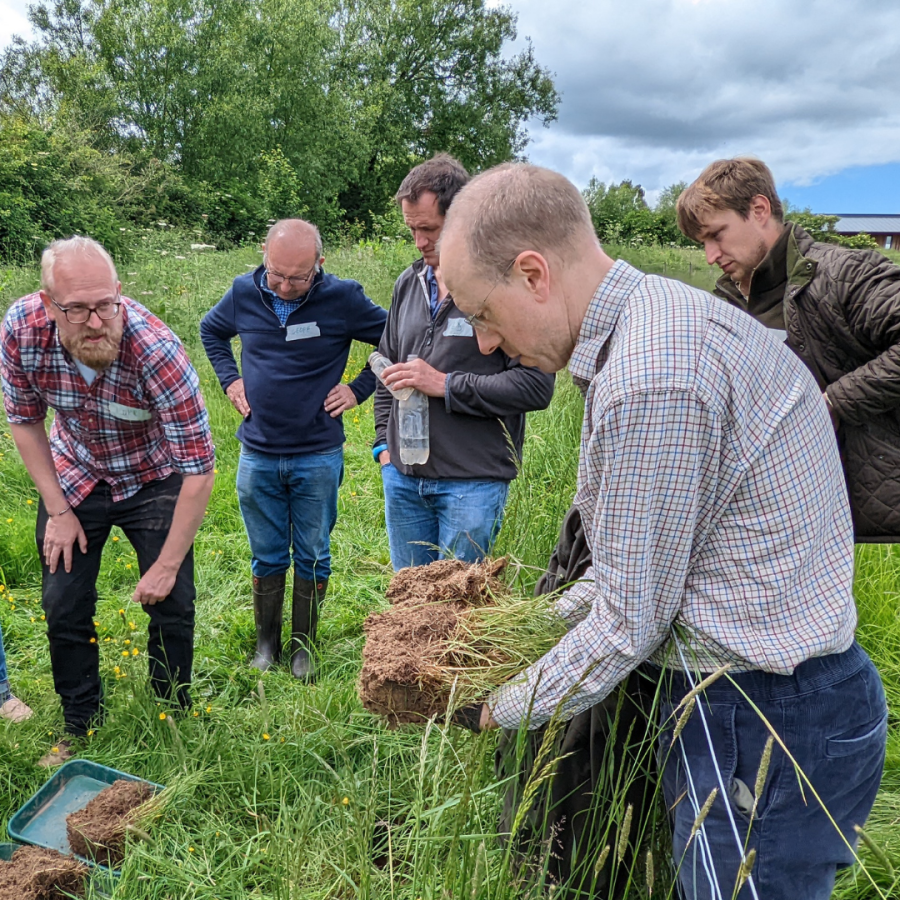
Regenerative Agriculture Courses Online: A Practical Guide
Interest in regenerative agriculture is growing as farmers, land managers and food businesses look for ways to improve soil health, support biodiversity and build resilience to climate change. Online courses can offer a flexible introduction to these approaches, whether you are considering a career in farming or hoping to make changes on land you already manage.
What is regenerative agriculture?
Regenerative agriculture is an approach to land management focused on restoring and improving the health of the farming ecosystem. Rather than following one fixed set of rules, it draws on practices suited to local soils, climate, landscape and farming systems.
Common topics include keeping soil covered, reducing unnecessary soil disturbance, growing a diverse range of plants, integrating livestock where appropriate and maintaining living roots in the soil for as much of the year as possible. These practices can support soil structure and water retention, while providing habitat and food for wildlife. Results vary, however, and depend on local conditions and how each practice is put into effect.
What do online courses cover?
Regenerative agriculture courses online range from short introductory sessions to in-depth programmes. Many cover some combination of the following:
- Soil health: soil structure, organic matter, nutrient cycling and ways to assess soil condition.
- Agroecology: how crops, livestock, wildlife, water and people interact within a farming system.
- Crop diversity: cover crops, rotations, intercropping and other ways to increase plant diversity.
- Grazing management: planning livestock movements and rest periods, where livestock form part of the system.
- Farm planning: setting goals, identifying constraints and developing a practical transition plan.
- Monitoring: observing changes in soil, vegetation and farm performance over time.
Some courses focus on a particular area, such as market gardening, arable farming, agroforestry or livestock management. Others provide a broader overview of regenerative principles and their application across different types of land.
Why study online?
Online learning can make specialist knowledge more accessible, especially for people who live far from training centres or need to study around work and seasonal responsibilities. Recorded lessons may be watched at a convenient time, while live sessions can offer opportunities to ask questions and learn from other participants.
A well-designed course may also include reading lists, case studies, discussion groups, worksheets or feedback from tutors. These resources can help learners connect broad ideas with the decisions they face in practice.
Choosing the right course
Before enrolling, consider what you want to learn and how you plan to use it. A beginner may benefit from a course that explains core concepts clearly, while an experienced grower may prefer detailed instruction in a specific system or technique.
Check the course outline, tutor experience, expected study time and level of interaction. Look for examples rooted in climates and farming systems relevant to your circumstances. If you are in the UK, it may be useful to see whether the course discusses local soil types, weather patterns, regulations and supply chains.
It is also worth checking whether the course is primarily theoretical or includes practical activities. Online teaching can explain concepts and help with planning, but it cannot fully replace field experience. Some providers combine online lessons with farm visits, practical workshops or mentoring. If a course offers a certificate, check what it represents and whether it is formally accredited.
Turning learning into action
Regenerative agriculture is context-specific. A technique that works well on one farm may not suit another, so course material should be treated as a starting point rather than a universal prescription. Begin by observing the land, identifying a clear objective and considering the costs, labour and potential risks of a change.
Small trials can be useful. For example, a farmer might compare different cover-crop mixes in selected fields, or monitor how grazing changes affect pasture recovery. Keeping consistent records makes it easier to assess what is working and what may need adjusting. Where possible, seek advice from experienced local practitioners or agronomists familiar with the relevant farming system.
A useful starting point
Regenerative agriculture courses online can help learners build a foundation in soil health, biodiversity and whole-farm thinking. The most valuable course is not necessarily the longest or most expensive, but the one that fits your goals, offers credible teaching and helps you make informed decisions in your own setting.
With thoughtful study, practical observation and a willingness to adapt, online learning can be a useful first step towards farming practices that aim to care for the land while supporting productive and resilient businesses.
8 Tips for Choosing an Online Regenerative Agriculture Course
- Check the syllabus covers soil health, biodiversity and water management.
- Look for courses taught by experienced regenerative farmers.
- Compare course formats, including live sessions and self-paced lessons.
- Read reviews from past learners before enrolling.
- Check whether lessons include practical farm examples.
- Ask if the course suits your climate, land type and experience.
- Confirm the total cost, including any materials or certificates.
- Choose a course that offers ongoing support or a learner community.
Check the syllabus covers soil health, biodiversity and water management.
When choosing an online regenerative agriculture course, check that the syllabus covers soil health, biodiversity and water management. These topics are closely connected: healthy soils can support diverse plant and animal life, while careful water management helps protect the land and maintain productive growing conditions. A course that explores all three can give you a broader understanding of how farming practices affect the wider ecosystem and help you make informed decisions on your land.
Look for courses taught by experienced regenerative farmers.
When choosing an online regenerative agriculture course, look for one taught by experienced regenerative farmers. Their practical knowledge can bring the subject to life, with real-world examples of what has worked, what has proved challenging and how different approaches can be adapted to local conditions. Check the tutors’ farming backgrounds and whether their experience is relevant to your interests, such as livestock, arable farming or market gardening.
Compare course formats, including live sessions and self-paced lessons.
When choosing an online regenerative agriculture course, compare the format with your schedule and learning style. Live sessions offer the chance to ask questions, hear different perspectives and connect with tutors and fellow learners, but they require you to attend at set times. Self-paced lessons provide greater flexibility, allowing you to study around work and seasonal commitments, though they may offer less immediate interaction. Some courses combine both, giving you the convenience of recorded lessons alongside live discussions or practical support.
Read reviews from past learners before enrolling.
Before enrolling in an online regenerative agriculture course, read reviews from past learners to get a clearer idea of the teaching quality, course content and level of support. Look for comments about how practical and relevant the lessons were, whether tutors answered questions promptly, and how well the course matched its description. A range of detailed reviews can help you judge whether the programme suits your experience, goals and available study time.
Check whether lessons include practical farm examples.
When choosing a regenerative agriculture course online, check whether its lessons include practical examples from real farms. Case studies can show how principles such as improving soil health or managing grazing are applied in different settings, including the challenges farmers face and the results they observe. Examples relevant to your climate, soil and type of farm can make the learning easier to apply, while reminding you that practices may need adapting to local conditions.
Ask if the course suits your climate, land type and experience.
Before enrolling, ask whether the course is relevant to your local climate, soil and land type, as regenerative practices that work well in one setting may not suit another. Check that the examples reflect conditions similar to yours, and consider whether the teaching matches your level of experience, from introductory guidance to more advanced farm planning. This will help you choose a course with advice you can adapt and apply in practice.
Confirm the total cost, including any materials or certificates.
Before enrolling in a regenerative agriculture course online, check the full cost, not just the advertised fee. Find out whether you will need to pay extra for learning materials, software, live sessions or a certificate, and check whether any optional costs are genuinely necessary. Knowing the total in advance makes it easier to compare courses and choose one that fits your budget.
Choose a course that offers ongoing support or a learner community.
Choose a course that offers ongoing support or a learner community, so you can ask questions as you put new ideas into practice. Access to tutors, discussion groups or fellow learners can help you work through challenges, share experiences and learn how different approaches perform in varied farming contexts. This support can be especially valuable after the lessons finish, when you begin adapting regenerative practices to your own land and circumstances.