
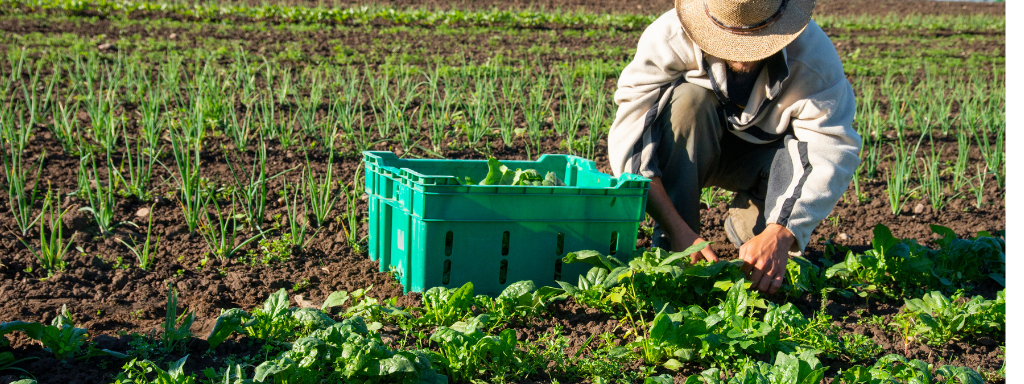
The Benefits of Organic Farming Training
Organic farming has gained significant popularity in recent years due to its focus on sustainability and environmental conservation. To support the growth of organic agriculture, training programmes have become essential for both experienced farmers looking to transition to organic practices and new farmers eager to start their journey with sustainable farming methods.
Importance of Training
Organic farming training equips individuals with the knowledge and skills necessary to cultivate crops and raise livestock using natural methods without the use of synthetic chemicals or genetically modified organisms. By learning about soil health, crop rotation, pest management, and composting techniques, farmers can enhance the productivity of their farms while preserving the environment.
Key Components of Organic Farming Training
Training programmes often cover a wide range of topics such as:
- Soil Health: Understanding the importance of soil structure, nutrients, and microbiology in promoting plant growth.
- Pest Management: Implementing natural pest control methods to minimise crop damage without relying on chemical pesticides.
- Crop Rotation: Rotating crops to maintain soil fertility and reduce disease pressure.
- Composting: Recycling organic matter into nutrient-rich compost for improving soil quality.
- Certification Process: Guidance on obtaining organic certification to market products as organic.
The Impact of Organic Farming Training
By providing farmers with the necessary training and resources, organic farming programmes contribute to:
- Promoting sustainable agricultural practices that protect biodiversity and preserve natural resources.
- Enhancing food security by producing nutritious crops without harmful chemicals that can impact human health.
- Fostering a sense of community among farmers who share a commitment to environmental stewardship and ethical farming practices.
In conclusion, organic farming training plays a vital role in advancing sustainable agriculture and ensuring a greener future for generations to come. By investing in education and skills development for farmers, we can promote healthier ecosystems, support local economies, and cultivate a more environmentally conscious approach to food production.
Top FAQs on Organic Farming Training: Courses, Pillars, Degrees, and Global Leaders
- Which course is best for farming?
- What are the 4 pillars of organic farming?
- Which degree is best for organic farming?
- Which country is no. 1 in organic farming?
Which course is best for farming?
When considering the best course for farming, individuals interested in pursuing a career in agriculture should focus on programmes that offer comprehensive training in organic farming practices. Courses that cover topics such as soil health, crop rotation, pest management, and sustainable agriculture techniques are highly beneficial for aspiring farmers looking to cultivate crops and raise livestock using natural methods. By choosing a course that emphasises organic farming principles, individuals can gain the knowledge and skills necessary to promote environmental sustainability, enhance farm productivity, and contribute to the growing demand for organic produce in the agricultural industry.
What are the 4 pillars of organic farming?
In organic farming, the four pillars represent the fundamental principles that guide sustainable agricultural practices. These pillars include soil health, biodiversity, ecological balance, and non-use of synthetic chemicals. Soil health focuses on nurturing the soil’s natural fertility through organic matter and beneficial microorganisms. Biodiversity emphasises the importance of diverse ecosystems to support plant and animal life. Ecological balance seeks to maintain harmony between agriculture and the environment, while the non-use of synthetic chemicals ensures that crops are grown without harmful pesticides or fertilisers. These pillars form the foundation of organic farming, promoting a holistic approach to agriculture that prioritises environmental stewardship and long-term sustainability.
Which degree is best for organic farming?
When considering which degree is best for organic farming, it is important to focus on agricultural or related fields that offer a strong foundation in sustainable farming practices, soil science, crop management, and environmental conservation. Degrees such as Agricultural Science, Sustainable Agriculture, Agroecology, or Organic Agriculture can provide the necessary knowledge and skills to excel in organic farming. Additionally, practical experience through internships or hands-on training programmes can complement academic learning and enhance proficiency in implementing organic farming techniques effectively. Ultimately, choosing a degree that aligns with one’s passion for sustainable agriculture and commitment to environmental stewardship is key to pursuing a successful career in organic farming.
Which country is no. 1 in organic farming?
When considering the global landscape of organic farming, it is important to note that several countries excel in embracing and promoting organic agricultural practices. While specific rankings may vary depending on criteria such as land area under organic cultivation or percentage of total agricultural land dedicated to organic farming, countries like Denmark, Switzerland, and Austria are often recognised for their significant contributions to the organic farming sector. These nations have implemented supportive policies, invested in research and development, and cultivated a strong culture of sustainability within their agricultural communities. Ultimately, the pursuit of excellence in organic farming transcends national boundaries, with each country making valuable strides towards a more environmentally friendly and sustainable food production system.