
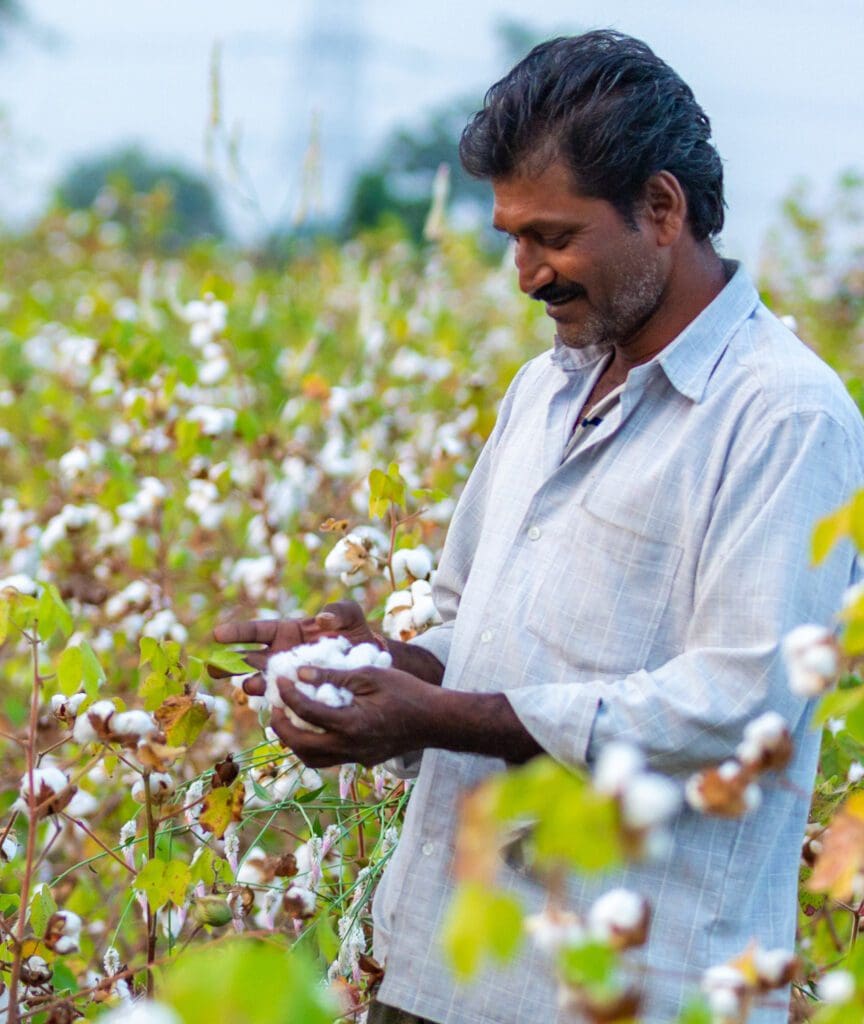
The Benefits of Organic Farming Training
Organic farming has gained popularity in recent years due to its emphasis on sustainability and environmental conservation. As more consumers demand organic produce, the need for skilled organic farmers has also increased. Organic farming training plays a crucial role in equipping individuals with the knowledge and skills needed to succeed in this growing industry.
Sustainable Practices
Organic farming training teaches farmers about sustainable agricultural practices that minimise the use of synthetic chemicals and promote natural methods of pest control and soil fertility. By learning how to work in harmony with nature, farmers can reduce their environmental impact and create healthier ecosystems on their farms.
Soil Health
One of the key principles of organic farming is maintaining soil health. Training programmes often focus on soil management techniques such as composting, crop rotation, and cover cropping to improve soil structure and fertility. Healthy soils are essential for producing nutrient-rich crops and ensuring long-term productivity.
Certification Requirements
Many organic farming training courses cover the certification process for organic farming standards. Understanding the requirements for organic certification is vital for farmers who wish to market their products as organic. Training helps farmers navigate the certification process and comply with organic regulations.
Market Opportunities
Consumers are increasingly seeking out organic produce due to its perceived health benefits and environmental advantages. By undergoing organic farming training, farmers can tap into growing market opportunities for organic products. Training equips farmers with the skills to meet consumer demand for high-quality, sustainably produced food.
Community Building
Organic farming training often takes place within a community of like-minded individuals who share a passion for sustainable agriculture. By participating in training programmes, farmers have the opportunity to connect with others in the industry, share knowledge and experiences, and build a supportive network of peers.
In conclusion, organic farming training offers numerous benefits for individuals looking to enter or expand their presence in the organic agriculture sector. By gaining knowledge about sustainable practices, soil health, certification requirements, market opportunities, and community building, participants can develop the skills needed to thrive in this important industry.
Essential FAQs on Organic Farming Training: Understanding Its Importance, Content, Accessibility, Certification, and Career Opportunities
- What is organic farming training?
- Why is organic farming training important?
- What topics are covered in organic farming training programmes?
- How can I find organic farming training courses near me?
- Are there any certification options available after completing organic farming training?
- What are the career opportunities for individuals with organic farming training?
What is organic farming training?
Organic farming training refers to educational programmes and courses designed to equip individuals with the knowledge and skills needed to engage in organic agriculture practices. These training sessions typically cover a range of topics, including sustainable farming methods, soil health management, organic certification requirements, market opportunities for organic produce, and community building within the organic farming sector. By participating in organic farming training, individuals can learn how to cultivate crops using natural techniques, minimise reliance on synthetic chemicals, improve soil fertility sustainably, and navigate the certification process for organic standards. Overall, organic farming training plays a vital role in promoting environmentally friendly agricultural practices and empowering farmers to meet the growing demand for organic products.
Why is organic farming training important?
Understanding the importance of organic farming training is essential for aspiring farmers looking to adopt sustainable agricultural practices. Organic farming training plays a crucial role in equipping individuals with the knowledge and skills needed to cultivate crops using natural methods that promote soil health, biodiversity, and environmental sustainability. By learning about sustainable practices, soil management techniques, certification requirements, market opportunities, and community building within the organic farming sector, participants can enhance their ability to produce high-quality organic produce while minimising their environmental impact. Ultimately, organic farming training not only empowers farmers to meet the increasing demand for organic products but also contributes to building a more resilient and environmentally conscious agricultural industry.
What topics are covered in organic farming training programmes?
Organic farming training programmes typically cover a range of essential topics to equip participants with the knowledge and skills needed to succeed in sustainable agriculture. These topics often include sustainable farming practices, soil health management, organic pest control methods, crop rotation techniques, composting, organic certification requirements, marketing strategies for organic products, and community building within the organic farming industry. By addressing these key areas, organic farming training programmes ensure that farmers are well-prepared to implement environmentally friendly practices and produce high-quality organic crops.
How can I find organic farming training courses near me?
If you are wondering how to find organic farming training courses near you, there are several ways to locate relevant programmes in your area. One effective method is to research local agricultural colleges, universities, or community centres that offer courses or workshops on organic farming. Additionally, you can reach out to agricultural extension services or organic farming associations in your region for information on upcoming training opportunities. Online platforms and directories dedicated to sustainable agriculture education may also provide listings of organic farming training courses available near your location. By exploring these resources and connecting with local agricultural networks, you can discover valuable learning opportunities to enhance your knowledge and skills in organic farming practices.
Are there any certification options available after completing organic farming training?
After completing organic farming training, individuals have the opportunity to pursue various certification options to validate their knowledge and skills in organic agriculture. Certification programmes offer a formal recognition of expertise in organic farming practices, demonstrating a commitment to sustainable agriculture and environmental stewardship. By obtaining organic farming certification, farmers can enhance their credibility, access new market opportunities for organic products, and build trust with consumers seeking high-quality, sustainably produced food. Certification options may vary depending on the region and specific standards, but they often serve as a valuable credential for individuals looking to establish themselves as certified organic farmers.
What are the career opportunities for individuals with organic farming training?
Individuals with organic farming training have a wide range of career opportunities available to them. They can pursue roles as organic farmers, farm managers, agricultural consultants, or crop advisors. Additionally, they may find employment in organic food production companies, farmer cooperatives, or government agencies focused on sustainable agriculture. With the increasing demand for organic produce, trained individuals can also explore opportunities in organic certification and quality assurance roles. Those with a passion for education and outreach may choose to become organic farming trainers or educators to help spread knowledge about sustainable agricultural practices. Overall, organic farming training opens up diverse career paths in the thriving field of sustainable agriculture.