
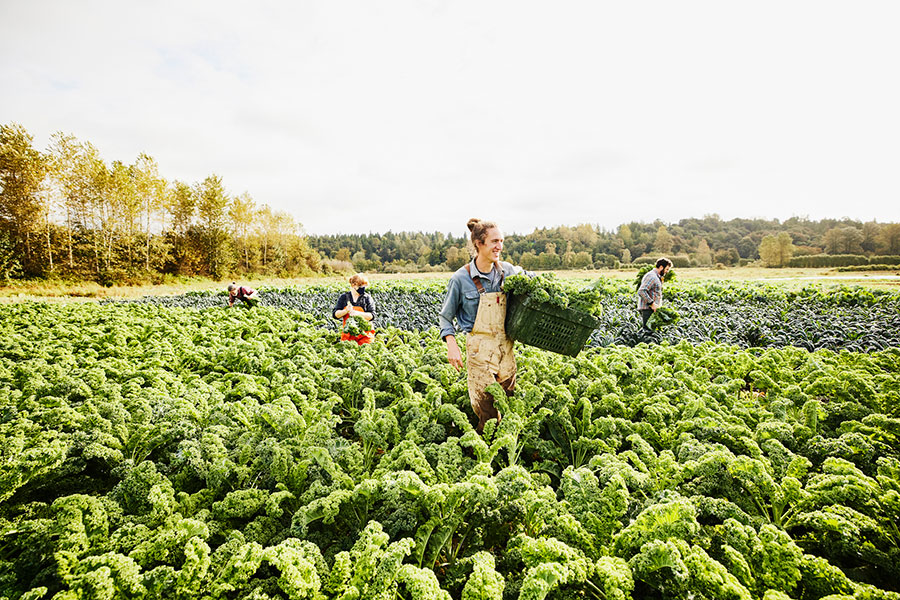
The Role of Organic Farming in Sustainable Development
Organic farming has emerged as a crucial component of sustainable development, offering a holistic approach to agriculture that prioritises environmental conservation, biodiversity preservation, and the well-being of farmers and consumers alike.
One of the key principles of organic farming is the elimination of synthetic chemicals and pesticides, promoting natural methods to control pests and diseases. By avoiding harmful chemicals, organic farmers protect soil health, water quality, and biodiversity in their ecosystems.
Furthermore, organic farming practices focus on enhancing soil fertility through techniques such as crop rotation, composting, and green manure. Healthy soils not only support plant growth but also sequester carbon dioxide from the atmosphere, contributing to climate change mitigation.
Another significant aspect of organic farming is its emphasis on animal welfare and ethical livestock management. Organic livestock are raised in humane conditions without the use of antibiotics or growth hormones, promoting animal health and well-being.
From a social perspective, organic farming fosters community engagement and local food systems. By encouraging direct relationships between farmers and consumers through farmers’ markets or community-supported agriculture (CSA), organic farming promotes food sovereignty and strengthens local economies.
In conclusion, organic farming plays a vital role in sustainable development by promoting environmentally-friendly practices, preserving biodiversity, mitigating climate change, supporting animal welfare, and fostering resilient communities. Embracing organic agriculture is not just a choice for healthier food but a commitment to a more sustainable future for our planet.
Understanding Organic Farming: Its Role in Sustainable Development and Community Support
- What is organic farming and how does it contribute to sustainable development?
- What are the key principles of organic farming that promote sustainability?
- How does organic farming help in preserving biodiversity and protecting ecosystems?
- What role does organic farming play in mitigating climate change and reducing environmental impact?
- How does organic farming ensure animal welfare and ethical livestock management?
- In what ways does organic farming support local communities and promote food sovereignty?
What is organic farming and how does it contribute to sustainable development?
Organic farming is a method of agriculture that prioritises natural processes and avoids the use of synthetic chemicals and pesticides. It focuses on enhancing soil health, preserving biodiversity, and promoting animal welfare through sustainable practices. Organic farming contributes to sustainable development by reducing environmental impact, conserving natural resources, and mitigating climate change. By adopting organic farming methods, farmers can protect ecosystems, support local communities, and provide consumers with healthy and ethically produced food. Overall, organic farming plays a crucial role in promoting a more sustainable and environmentally-friendly approach to agriculture for the benefit of present and future generations.
What are the key principles of organic farming that promote sustainability?
The key principles of organic farming that promote sustainability encompass a holistic approach to agriculture, emphasising practices that nurture the environment, support biodiversity, and safeguard the health of both consumers and farmers. By eschewing synthetic chemicals and pesticides in favour of natural pest control methods, organic farming protects soil quality and biodiversity while reducing the ecological footprint of agriculture. Techniques such as crop rotation, composting, and green manure enhance soil fertility and carbon sequestration, contributing to climate change mitigation. Additionally, organic farming prioritises animal welfare by prohibiting the use of antibiotics and growth hormones in livestock production. These principles collectively foster a sustainable food system that respects nature, promotes community well-being, and ensures long-term agricultural viability.
How does organic farming help in preserving biodiversity and protecting ecosystems?
Organic farming plays a crucial role in preserving biodiversity and protecting ecosystems through its sustainable practices. By avoiding synthetic pesticides and fertilisers, organic farmers create a healthier environment for a diverse range of plant and animal species to thrive. The use of natural pest control methods, crop rotation, and the maintenance of organic matter in soil help to support a balanced ecosystem where beneficial insects, birds, and microorganisms can flourish. Additionally, by promoting agroecological principles, organic farming minimises soil erosion, water pollution, and habitat destruction, thus safeguarding the delicate balance of ecosystems and contributing to the overall conservation of biodiversity.
What role does organic farming play in mitigating climate change and reducing environmental impact?
Organic farming plays a crucial role in mitigating climate change and reducing environmental impact through its sustainable practices. By avoiding synthetic pesticides and fertilisers, organic farming helps to preserve soil health and biodiversity, which are essential for carbon sequestration and ecosystem resilience. Additionally, organic farming promotes agroecological approaches such as crop rotation, intercropping, and composting, which enhance soil fertility and water retention while minimising greenhouse gas emissions. Furthermore, the emphasis on local production and reduced food miles in organic farming contributes to lower carbon footprints in the food supply chain. Overall, organic farming serves as a proactive solution towards combating climate change and promoting environmental sustainability for future generations.
How does organic farming ensure animal welfare and ethical livestock management?
Organic farming ensures animal welfare and ethical livestock management through stringent standards and practices that prioritise the well-being of animals. Organic farmers provide livestock with access to outdoor spaces for grazing and exercise, allowing them to exhibit natural behaviours. Additionally, organic livestock are raised without the use of antibiotics or growth hormones, promoting their health and reducing the risk of antibiotic resistance in humans. Regular veterinary care, proper nutrition, and comfortable living conditions are key aspects of ethical livestock management in organic farming. By adhering to these principles, organic farmers create a more humane and sustainable environment for animals, aligning with the core values of sustainable development.
In what ways does organic farming support local communities and promote food sovereignty?
Organic farming plays a crucial role in supporting local communities and promoting food sovereignty through various means. By encouraging direct relationships between farmers and consumers, organic farming creates opportunities for local economic growth and community engagement. Farmers markets, community-supported agriculture (CSA) schemes, and farm-to-table initiatives are examples of how organic farming connects producers with consumers at a local level, fostering a sense of community ownership over food production. Additionally, organic farming promotes the cultivation of diverse crops that are well-suited to local environments, contributing to food security and resilience within communities. By prioritising sustainable practices and ethical principles, organic farming empowers communities to reclaim control over their food systems and make informed choices about the food they consume.