
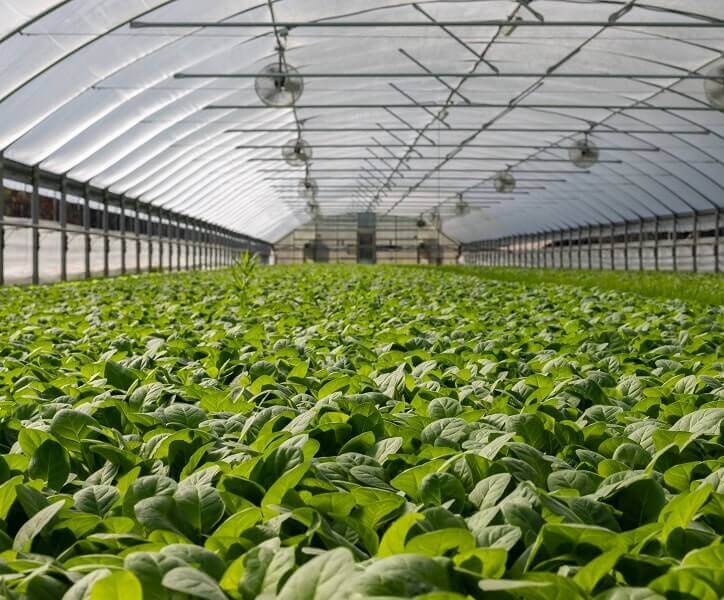
The Future of Agriculture: Embracing Green Farming Solutions
As the world faces increasing environmental challenges, the agricultural sector is turning towards sustainable and eco-friendly practices to ensure food security for future generations. Green farming solutions have emerged as a promising approach to minimise the environmental impact of agriculture while maximising productivity.
Benefits of Green Farming Solutions
Green farming solutions encompass a range of practices aimed at reducing carbon footprint, conserving natural resources, and promoting biodiversity. By adopting these solutions, farmers can:
- Reduce chemical inputs: Organic farming methods eliminate the use of synthetic pesticides and fertilisers, reducing soil and water contamination.
- Conserve water: Efficient irrigation systems and water management techniques help farmers optimise water usage and reduce wastage.
- Promote soil health: Practices such as crop rotation, cover cropping, and composting enhance soil fertility and structure, leading to improved yields.
- Support biodiversity: Planting hedgerows, maintaining wildflower strips, and creating wildlife habitats on farms contribute to preserving ecosystems and supporting pollinators.
- Mitigate climate change: Agroforestry, carbon sequestration through cover crops, and renewable energy adoption help reduce greenhouse gas emissions from agriculture.
Technological Innovations in Green Farming
Technology plays a crucial role in advancing green farming solutions. From precision agriculture tools that enable targeted application of inputs to sensor-based monitoring systems that optimise resource usage, technological innovations are revolutionising sustainable farming practices. Drones for crop surveillance, smart irrigation systems controlled by weather data, and data analytics for predictive modelling are just a few examples of how technology is transforming agriculture towards a greener future.
The Role of Farmers in Sustainable Agriculture
Farmers are at the forefront of implementing green farming solutions. By embracing agroecological principles, diversifying crops, integrating livestock into cropping systems, and adopting regenerative practices, farmers can contribute significantly to sustainable agriculture. Training programmes, knowledge sharing networks, and financial incentives can empower farmers to transition towards more environmentally friendly farming methods.
In Conclusion
Green farming solutions offer a pathway towards a more sustainable and resilient agricultural system. By prioritising environmental stewardship alongside productivity goals, farmers can help mitigate climate change, conserve natural resources, and protect biodiversity. Embracing green farming practices is not only beneficial for the planet but also essential for ensuring food security in a rapidly changing world.
9 Essential Tips for Sustainable Farming Practices
- Implement crop rotation to maintain soil fertility.
- Use organic fertilizers to reduce chemical inputs.
- Practice water conservation techniques, such as drip irrigation.
- Integrate agroforestry practices to enhance biodiversity.
- Utilize natural pest control methods like beneficial insects.
- Invest in renewable energy sources for farm operations.
- Reduce plastic usage by opting for biodegradable alternatives.
- Support local markets and reduce food miles for a smaller carbon footprint.
- Engage in community composting initiatives to recycle organic waste.
Implement crop rotation to maintain soil fertility.
Implementing crop rotation is a fundamental practice in green farming solutions that helps maintain soil fertility and health. By alternating different crops in a systematic sequence, farmers can prevent nutrient depletion, control pests and diseases, and improve soil structure. Crop rotation also promotes biodiversity, reduces reliance on chemical inputs, and enhances overall crop productivity. This sustainable technique not only benefits the current harvest but also ensures the long-term sustainability of agricultural land for future generations.
Use organic fertilizers to reduce chemical inputs.
Using organic fertilizers is a key tip in green farming solutions as it helps reduce reliance on chemical inputs. Organic fertilizers, such as compost and manure, provide essential nutrients to crops while improving soil health and structure. By opting for organic fertilizers, farmers can minimise the environmental impact of agriculture by avoiding synthetic pesticides and fertilisers that can harm ecosystems and water sources. This sustainable practice not only benefits the soil and crops but also contributes to promoting biodiversity and long-term agricultural sustainability.
Practice water conservation techniques, such as drip irrigation.
Implementing water conservation techniques, such as drip irrigation, is a crucial aspect of green farming solutions. Drip irrigation delivers water directly to the roots of plants in a precise and controlled manner, minimising water wastage and promoting efficient water usage. By adopting this technique, farmers can significantly reduce water consumption, conserve this precious resource, and improve crop yields while contributing to sustainable agriculture practices.
Integrate agroforestry practices to enhance biodiversity.
Integrating agroforestry practices is a key strategy in promoting biodiversity within agricultural landscapes. By planting trees and shrubs alongside crops or livestock, farmers create diverse habitats that support a wide range of plant and animal species. Agroforestry not only enhances biodiversity but also improves soil health, provides shade for crops, and helps sequester carbon from the atmosphere. This sustainable approach to farming fosters ecological resilience and contributes to the long-term sustainability of agricultural systems.
Utilize natural pest control methods like beneficial insects.
Utilising natural pest control methods, such as introducing beneficial insects into the farming ecosystem, is a sustainable approach that can help reduce reliance on chemical pesticides. Beneficial insects, like ladybirds and lacewings, prey on harmful pests, thus acting as natural predators to maintain a balanced ecological system on the farm. By encouraging these beneficial insects to thrive, farmers can effectively manage pest populations while minimising environmental impact and promoting biodiversity in their fields.
Invest in renewable energy sources for farm operations.
Investing in renewable energy sources for farm operations is a crucial step towards achieving sustainability in agriculture. By harnessing solar, wind, or bioenergy resources, farmers can reduce their reliance on fossil fuels and lower greenhouse gas emissions. Implementing renewable energy solutions not only helps to cut operational costs in the long run but also contributes to a cleaner environment. By embracing renewable energy technologies, farms can become more self-sufficient and resilient while playing a significant role in combating climate change.
Reduce plastic usage by opting for biodegradable alternatives.
Reducing plastic usage in agriculture is a crucial step towards promoting sustainability and environmental conservation. By opting for biodegradable alternatives to traditional plastic materials, farmers can significantly decrease the negative impact of plastic pollution on ecosystems. Biodegradable solutions not only help minimise waste accumulation but also contribute to healthier soil and water quality. Making the switch to biodegradable materials in farming practices demonstrates a commitment to responsible stewardship of the environment, paving the way for a greener and more sustainable agricultural future.
Support local markets and reduce food miles for a smaller carbon footprint.
Supporting local markets and reducing food miles are key strategies in promoting green farming solutions and achieving a smaller carbon footprint in agriculture. By sourcing produce locally, farmers can minimise the environmental impact associated with long-distance transportation of goods. This approach not only reduces greenhouse gas emissions but also supports the local economy, fosters community relationships, and ensures fresher, more nutritious food for consumers. Embracing local markets is a sustainable choice that benefits both the environment and the community, making it a vital component of green farming practices.
Engage in community composting initiatives to recycle organic waste.
Engaging in community composting initiatives to recycle organic waste is a proactive step towards promoting green farming solutions. By diverting organic waste from landfills and converting it into nutrient-rich compost, farmers can enhance soil health, reduce the need for synthetic fertilisers, and close the loop on nutrient cycling. Community composting not only helps in waste reduction but also fosters a sense of collaboration and environmental responsibility within the community. This sustainable practice demonstrates the power of collective action in creating a more circular and eco-friendly agricultural system.