
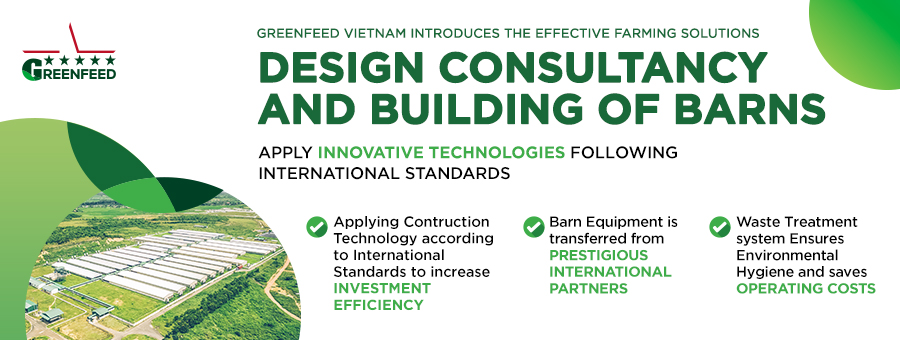
The Future of Agriculture: Embracing Green Farming Solutions
In recent years, the agricultural industry has been increasingly turning towards sustainable and eco-friendly practices to address environmental concerns and ensure long-term food security. Green farming solutions have emerged as a promising way to reduce the ecological footprint of agriculture while maintaining productivity and profitability.
Benefits of Green Farming Solutions
Green farming solutions encompass a range of practices that aim to minimise the use of synthetic inputs, conserve natural resources, and promote biodiversity. Some key benefits include:
- Environmental Conservation: By reducing chemical inputs such as pesticides and fertilisers, green farming helps protect soil health, water quality, and biodiversity.
- Resource Efficiency: Practices like precision agriculture and water-saving techniques optimise resource use, leading to higher efficiency and reduced waste.
- Climate Resilience: Sustainable farming methods contribute to climate change mitigation by sequestering carbon in soils and reducing greenhouse gas emissions.
- Economic Viability: Green farming can improve farm profitability in the long run by lowering input costs, enhancing soil fertility, and meeting consumer demand for sustainable products.
Key Green Farming Practices
Implementing green farming solutions involves adopting a holistic approach that integrates various sustainable practices. Some common strategies include:
- Organic Farming: Avoiding synthetic chemicals and genetically modified organisms (GMOs) while promoting natural soil fertility through composting, crop rotation, and biological pest control.
- Agroforestry: Integrating trees or shrubs into agricultural landscapes to enhance biodiversity, improve soil structure, provide shade for crops, and generate additional income streams.
- Cover Cropping: Planting cover crops during fallow periods to prevent soil erosion, suppress weeds, fix nitrogen in the soil, and improve overall soil health.
- Precision Agriculture: Using technology such as GPS mapping, drones, sensors, and data analytics to optimise input use (e.g., water, fertilisers) based on real-time field conditions.
- Aquaponics: Combining aquaculture (fish farming) with hydroponics (soilless plant cultivation) in a symbiotic system that recycles nutrients between fish and plants while minimising water usage.
The Path Forward
To truly realise the potential of green farming solutions, it is essential for farmers, policymakers, researchers, and consumers to collaborate towards a more sustainable agricultural future. Investing in education and training programmes on sustainable agriculture practices can empower farmers to adopt green technologies effectively. Moreover,
supportive policies that incentivise eco-friendly practices while ensuring fair market access are crucial for accelerating the transition towards a greener agricultural sector.
Five Essential Green Farming Solutions for Sustainable Agriculture
- Implement crop rotation to improve soil health and reduce the need for synthetic fertilizers.
- Use natural pest control methods such as introducing beneficial insects or planting trap crops.
- Practice water conservation techniques like drip irrigation and rainwater harvesting.
- Utilize organic farming practices to avoid chemical pesticides and promote biodiversity.
- Invest in renewable energy sources like solar panels to reduce carbon footprint on the farm.
Implement crop rotation to improve soil health and reduce the need for synthetic fertilizers.
Implementing crop rotation is a highly effective green farming solution that can significantly enhance soil health and decrease the reliance on synthetic fertilisers. By rotating different crops in a systematic manner, farmers can break pest and disease cycles, improve soil structure, and replenish essential nutrients naturally. This practice helps to maintain soil fertility over time, reducing the need for chemical fertilisers while promoting sustainable agriculture. Crop rotation not only benefits the current harvest but also contributes to long-term soil health and productivity, making it a valuable strategy for environmentally conscious farmers seeking to minimise their ecological footprint.
Use natural pest control methods such as introducing beneficial insects or planting trap crops.
To enhance sustainability in agriculture, employing natural pest control methods is key. By incorporating practices like introducing beneficial insects or planting trap crops, farmers can effectively manage pests without relying on harmful chemical pesticides. Beneficial insects, such as ladybirds and lacewings, prey on harmful pests, helping to maintain a balanced ecosystem within the farm. Similarly, trap crops divert pests away from main crops, reducing damage and minimising the need for chemical interventions. These eco-friendly approaches not only protect crops but also promote biodiversity and long-term environmental health on the farm.
Practice water conservation techniques like drip irrigation and rainwater harvesting.
To enhance sustainability in agriculture, implementing water conservation techniques such as drip irrigation and rainwater harvesting is crucial. Drip irrigation delivers water directly to the roots of plants, minimising wastage and promoting efficient water use. Additionally, rainwater harvesting allows farmers to collect and store rainwater for irrigation purposes, reducing reliance on scarce freshwater sources. By integrating these practices into farming operations, farmers can conserve water resources, improve crop productivity, and contribute to a greener agricultural ecosystem.
Utilize organic farming practices to avoid chemical pesticides and promote biodiversity.
By utilising organic farming practices, farmers can steer clear of chemical pesticides and instead focus on nurturing biodiversity within their agricultural ecosystems. This approach not only safeguards the environment and human health by reducing exposure to harmful chemicals but also fosters a more balanced and resilient ecosystem where natural predators can thrive, contributing to pest control without the need for synthetic interventions. Embracing organic farming methods is a proactive step towards sustainable agriculture that benefits both the land and its inhabitants in the long term.
Invest in renewable energy sources like solar panels to reduce carbon footprint on the farm.
Investing in renewable energy sources, such as solar panels, is a proactive step towards reducing the carbon footprint on the farm. By harnessing the power of solar energy, farmers can generate clean electricity to meet their energy needs while significantly decreasing reliance on fossil fuels. This not only helps to lower greenhouse gas emissions but also contributes to long-term cost savings and energy independence. Embracing sustainable practices like integrating solar panels into farm operations demonstrates a commitment to environmental stewardship and sets a positive example for promoting green farming solutions within the agricultural community.