
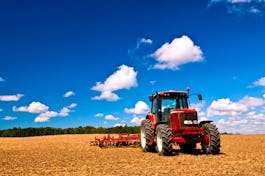
The Best Course for Agriculture: Empowering Future Farmers
Choosing the right course in agriculture is crucial for individuals looking to make a meaningful impact in the field of farming and sustainable food production. With the increasing demand for skilled professionals in agriculture, selecting a course that provides comprehensive knowledge and practical skills is essential.
Key Factors to Consider:
When searching for the best course in agriculture, several factors should be taken into account:
- Curriculum: Look for a course that covers a wide range of topics, including crop science, soil management, livestock production, agricultural economics, and sustainable farming practices.
- Practical Experience: Hands-on experience is invaluable in agriculture. Choose a course that offers practical training on farms or through internships to apply theoretical knowledge in real-world settings.
- Industry Connections: Courses with strong industry connections provide networking opportunities and access to potential employers or mentors within the agricultural sector.
- Specialisations: Consider courses that offer specialisations in areas such as organic farming, agribusiness management, precision agriculture, or agricultural engineering based on your interests and career goals.
- Sustainability Focus: Given the importance of sustainability in modern agriculture, opt for courses that emphasise sustainable farming practices and environmental stewardship.
The Best Course Options:
Several renowned institutions offer exceptional courses in agriculture that align with the aforementioned criteria. Some of the best courses include degrees in Agricultural Science, Agribusiness Management, Sustainable Agriculture, Agricultural Engineering, and Horticulture.
Whether you are interested in becoming a farmer, agronomist, agricultural economist, or agribusiness professional, choosing a well-rounded course will equip you with the necessary skills to thrive in the dynamic field of agriculture.
In conclusion, selecting the best course for agriculture is a significant step towards building a successful career in this vital industry. By considering factors such as curriculum content, practical experience opportunities, industry connections, specialisations, and sustainability focus, aspiring farmers can embark on a rewarding educational journey that prepares them for future challenges and opportunities within the agricultural sector.
Choosing the Best Agriculture Course: Key Factors, Practical Experience, Specialisations, Top Institutions, and the Importance of Sustainability
- What are the key factors to consider when choosing a course in agriculture?
- How important is practical experience in an agricultural course?
- What specialisations are available in agriculture courses?
- Which institutions offer the best courses in Agricultural Science?
- Why is a focus on sustainability crucial when selecting an agriculture course?
What are the key factors to consider when choosing a course in agriculture?
When contemplating the ideal course in agriculture, several key factors merit consideration. Firstly, evaluating the curriculum’s breadth and depth is crucial, ensuring that it covers essential topics like crop science, soil management, livestock production, agricultural economics, and sustainable farming practices. Practical experience is equally vital, as hands-on training allows students to apply theoretical knowledge in real-world scenarios. Additionally, exploring courses with strong industry connections can provide valuable networking opportunities and access to potential mentors. Specialisations tailored to individual interests and career aspirations, such as organic farming or agribusiness management, should also be taken into account. Lastly, prioritising courses with a sustainability focus underscores the importance of environmentally responsible practices in modern agriculture. By carefully weighing these factors, aspiring agricultural professionals can make informed decisions when selecting a course that aligns with their goals and aspirations in the field of agriculture.
How important is practical experience in an agricultural course?
Practical experience plays a crucial role in an agricultural course as it provides students with hands-on learning opportunities that complement theoretical knowledge. Engaging in practical activities such as fieldwork, farm management, and agricultural experiments not only enhances understanding but also hones essential skills required in the agricultural industry. By applying classroom teachings to real-world scenarios, students gain valuable insights into the challenges and intricacies of farming practices. Practical experience fosters critical thinking, problem-solving abilities, and confidence in decision-making, preparing individuals to navigate the complexities of agriculture effectively. Ultimately, practical experience enriches the learning process and equips students with the practical skills necessary to excel in their future careers within the agricultural sector.
What specialisations are available in agriculture courses?
In agriculture courses, various specialisations cater to diverse interests and career paths within the field. Students can choose from a range of specialisations, including organic farming, agribusiness management, precision agriculture, agricultural engineering, horticulture, animal husbandry, agricultural economics, and sustainable agriculture. Each specialisation offers unique opportunities for students to delve deeper into specific areas of agriculture and develop expertise in their chosen field. By selecting a specialisation that aligns with their interests and career goals, individuals can acquire specialised knowledge and skills that prepare them for fulfilling roles in the agricultural industry.
Which institutions offer the best courses in Agricultural Science?
When seeking the best courses in Agricultural Science, aspiring individuals often wonder which institutions provide top-tier education in this field. Several renowned universities and colleges are known for offering exceptional programmes in Agricultural Science, equipping students with comprehensive knowledge and practical skills essential for a successful career in agriculture. Institutions such as the University of Reading, Harper Adams University, the Royal Agricultural University, and the University of Nottingham are among those recognised for their excellence in delivering high-quality courses in Agricultural Science. These institutions not only provide a strong academic foundation but also offer opportunities for hands-on experience, research collaborations, and industry connections that enhance students’ learning experience and prepare them to make significant contributions to the agricultural sector.
Why is a focus on sustainability crucial when selecting an agriculture course?
Understanding the importance of sustainability in agriculture is paramount when choosing a course in this field. A focus on sustainability ensures that future farmers are equipped with the knowledge and skills to address pressing environmental challenges, such as soil degradation, water scarcity, climate change, and biodiversity loss. By integrating sustainable practices into their education, students learn how to cultivate crops and raise livestock in ways that minimise negative impacts on the environment while maximising long-term productivity. Emphasising sustainability in an agriculture course not only prepares individuals for the evolving demands of the industry but also contributes to building a more resilient and environmentally conscious agricultural sector for future generations.