
Exploring Alternative Farming Methods
In recent years, the concept of alternative farming has gained significant attention as a sustainable solution to traditional agricultural practices. Alternative farming methods focus on innovative approaches that aim to reduce environmental impact, increase efficiency, and promote biodiversity.
Types of Alternative Farming
Alternative farming encompasses a wide range of practices that differ from conventional methods. Some popular examples include:
- Organic Farming: Organic farming avoids synthetic pesticides and fertilisers, relying instead on natural methods to maintain soil health and crop production.
- Permaculture: Permaculture designs sustainable ecosystems that mimic natural patterns to create self-sustaining agricultural systems.
- Vertical Farming: Vertical farming utilises vertical space to grow crops indoors, often using hydroponic or aeroponic systems for efficient resource use.
- Agroforestry: Agroforestry integrates trees and shrubs into traditional agricultural landscapes to enhance biodiversity, improve soil quality, and provide additional income streams.
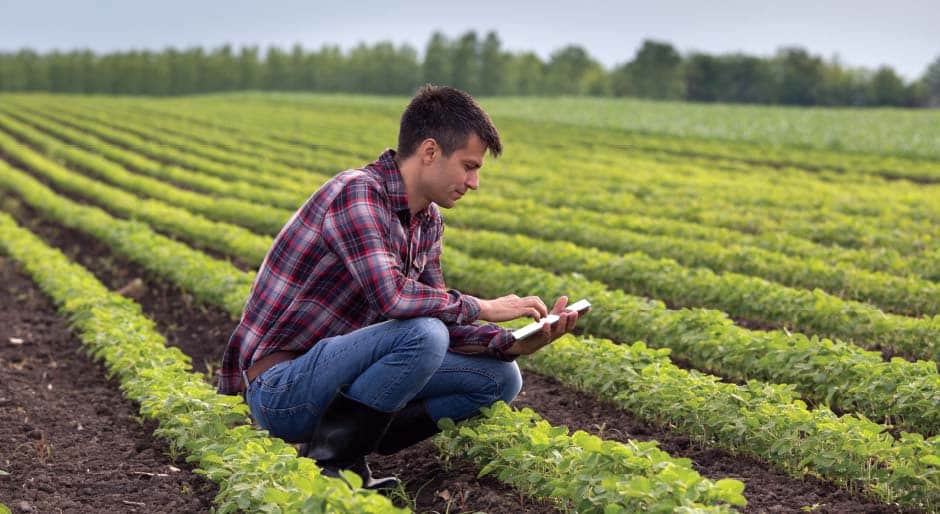
- Precision Agriculture: Precision agriculture uses technology such as GPS mapping and sensors to optimise inputs like water, fertiliser, and pesticides for maximum efficiency.
The Benefits of Alternative Farming
Alternative farming methods offer numerous benefits both for farmers and the environment. Some advantages include:
- Sustainability: By reducing chemical inputs and promoting natural processes, alternative farming helps preserve soil health and biodiversity for future generations.
- Economic Viability: Many alternative farming practices can lead to cost savings in the long run through reduced input costs and improved yields.
- Diversification: Alternative farming allows farmers to diversify their crops or livestock, reducing risks associated with monoculture and enhancing resilience against pests or climate change.
- Cultural Preservation: Some alternative farming methods draw on traditional knowledge and practices that help preserve cultural heritage while promoting sustainable agriculture.
The Future of Agriculture
As concerns about climate change, food security, and resource depletion continue to grow, alternative farming methods offer a promising path forward for agriculture. By embracing innovation, sustainability, and collaboration, farmers can explore new ways to produce food while protecting the planet for future generations.
Exploring Alternative Farming: Latest Methods, Definitions, and Concepts
- Which is the latest and largest alternative farming method?
- What is the meaning of alternative farming?
- What is an alternative crop?
- What is meant by regenerative farming?
Which is the latest and largest alternative farming method?
One of the latest and largest alternative farming methods gaining attention is vertical farming. Vertical farming utilises innovative technologies to grow crops in vertically stacked layers or structures, often indoors or in controlled environments. This method maximises space efficiency, reduces water usage, and minimises the need for pesticides by creating optimal growing conditions. Vertical farming also offers the potential for year-round production and can be implemented in urban areas, bringing fresh produce closer to consumers while reducing transportation emissions. Its scalability and sustainability make vertical farming a significant player in the realm of alternative agriculture practices.
What is the meaning of alternative farming?
Alternative farming refers to a diverse range of agricultural practices that deviate from conventional methods, aiming to promote sustainability, environmental stewardship, and efficiency in food production. These innovative approaches often involve organic farming, permaculture, vertical farming, agroforestry, and precision agriculture. Alternative farming methods prioritise natural inputs, biodiversity conservation, and ecosystem health to create resilient and environmentally friendly agricultural systems. By embracing alternative farming practices, farmers can reduce reliance on synthetic chemicals, enhance soil fertility, and contribute to a more sustainable future for agriculture.
What is an alternative crop?
An alternative crop refers to a non-traditional or unconventional plant species grown for agricultural purposes, often chosen for its ability to thrive in specific environmental conditions or offer unique benefits. These crops may deviate from mainstream staples like wheat or corn and could include niche varieties such as quinoa, amaranth, or sorghum. Alternative crops are sought after for their potential to diversify agricultural production, increase resilience against pests and diseases, improve soil health, and provide novel market opportunities for farmers. By exploring alternative crops, farmers can adapt to changing climates, reduce reliance on monoculture practices, and contribute to a more sustainable and diverse agricultural landscape.
What is meant by regenerative farming?
Regenerative farming is a holistic approach to agriculture that focuses on restoring and revitalising the health of the soil, ecosystem, and environment as a whole. Unlike traditional farming practices that may deplete natural resources over time, regenerative farming aims to improve soil fertility, enhance biodiversity, and mitigate climate change by working in harmony with nature. By implementing techniques such as cover cropping, crop rotation, minimal tillage, and agroforestry, regenerative farming seeks to regenerate ecosystems and create resilient agricultural systems that benefit both farmers and the planet.