
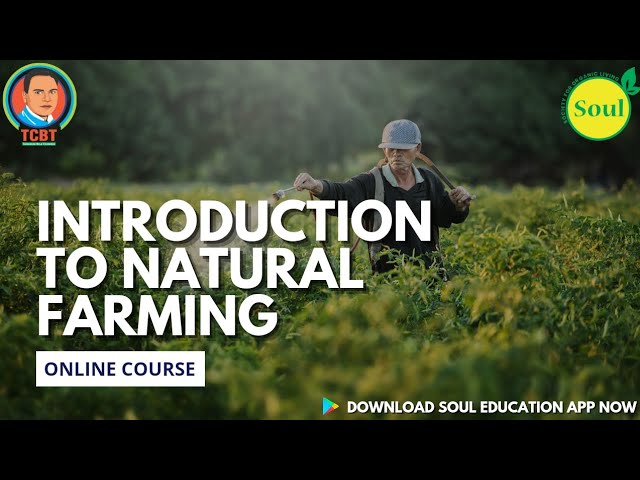
The Benefits of Online Organic Farming Courses
Organic farming has gained significant popularity in recent years due to its focus on sustainability and environmental friendliness. As more people show interest in growing their own food or pursuing a career in agriculture, online organic farming courses have become a valuable resource for learning about this eco-friendly practice.
Convenience and Flexibility
One of the primary advantages of online organic farming courses is the convenience they offer. Learners can access course materials and lectures from anywhere with an internet connection, allowing them to study at their own pace and schedule. This flexibility is particularly beneficial for individuals with busy lifestyles or those living in remote areas.
Comprehensive Curriculum
Online organic farming courses typically cover a wide range of topics related to sustainable agriculture, soil health, crop management, pest control, and more. Students can gain valuable insights into organic farming practices, techniques, and principles through engaging multimedia content, interactive assignments, and real-world case studies.
Expert Guidance
Many online organic farming courses are developed and taught by industry experts, experienced farmers, and agricultural professionals. This ensures that students receive high-quality education and practical advice based on real-life experiences. Learners can benefit from personalised feedback, mentorship opportunities, and networking with like-minded individuals.
Sustainability Focus
Organic farming courses emphasise sustainable practices that promote soil health, biodiversity conservation, water efficiency, and natural resource preservation. By enrolling in these courses, students can learn how to minimise environmental impact while maximising productivity on their farms or gardens.
Career Opportunities
Completing online organic farming courses can open up various career opportunities in the agricultural sector. Whether aspiring to become an organic farmer, agricultural consultant, food entrepreneur or environmental advocate, acquiring knowledge and skills in organic farming through online courses can pave the way for a rewarding career path.
Conclusion
Online organic farming courses offer a convenient and effective way for individuals to learn about sustainable agriculture practices and pursue their passion for eco-friendly food production. By enrolling in these courses, students can acquire valuable skills, connect with industry experts, and contribute to building a more sustainable future for agriculture.
Essential FAQs About Online Organic Farming Courses for Aspiring Farmers
- 1. What are the benefits of taking online organic farming courses?
- 2. How can I enrol in an online organic farming course?
- 3. Are online organic farming courses suitable for beginners?
- 4. What topics are covered in online organic farming courses?
- 5. Do online organic farming courses offer practical hands-on experience?
1. What are the benefits of taking online organic farming courses?
One of the frequently asked questions about online organic farming courses is, “What are the benefits of taking online organic farming courses?” Online organic farming courses offer numerous advantages, including convenience and flexibility for learners to study at their own pace and schedule from anywhere with an internet connection. These courses provide a comprehensive curriculum covering sustainable agriculture practices, soil health, crop management, and pest control. Students also benefit from expert guidance from industry professionals, gaining valuable insights and practical advice. Moreover, by focusing on sustainability and environmental friendliness, online organic farming courses equip individuals with the knowledge and skills to contribute to eco-friendly food production and pursue rewarding career opportunities in the agricultural sector.
2. How can I enrol in an online organic farming course?
To enrol in an online organic farming course, the process is typically straightforward and user-friendly. Start by researching reputable online platforms or educational institutions that offer courses in organic farming. Once you have selected a course that aligns with your interests and goals, navigate to the course website and look for an enrolment or registration section. Follow the instructions provided, which may involve creating an account, selecting a payment option (if applicable), and confirming your enrolment. Some courses may have specific start dates, while others allow for immediate access upon enrolment. If you encounter any difficulties during the enrolment process, most platforms offer customer support to assist you in getting started on your organic farming learning journey.
3. Are online organic farming courses suitable for beginners?
Online organic farming courses are indeed suitable for beginners who are interested in learning about sustainable agriculture practices. These courses are designed to cater to individuals with varying levels of experience, including those who are just starting their journey in organic farming. Beginners can benefit from the comprehensive curriculum, expert guidance, and flexible learning options offered by online courses. These resources provide a solid foundation in organic farming principles, techniques, and best practices, empowering beginners to acquire the necessary knowledge and skills to kickstart their sustainable farming endeavours.
4. What topics are covered in online organic farming courses?
Online organic farming courses cover a wide range of topics essential for understanding and practising sustainable agriculture. These courses typically include modules on soil health and fertility management, organic pest and disease control methods, crop rotation techniques, composting practices, sustainable water usage, biodiversity conservation, and organic certification standards. Additionally, students can expect to learn about agroecology principles, permaculture design, regenerative farming practices, and the integration of livestock in organic systems. By exploring these diverse topics, learners gain a comprehensive understanding of organic farming principles and techniques that are crucial for promoting environmental stewardship and producing healthy, nutritious food.
5. Do online organic farming courses offer practical hands-on experience?
Online organic farming courses often incorporate practical hands-on experience to enhance the learning process. While the nature of online learning may limit physical interaction, many courses include virtual simulations, interactive activities, and assignments that allow students to apply theoretical knowledge in a practical setting. Additionally, some courses offer optional on-site workshops, field trips, or internships to provide learners with real-world exposure to organic farming practices. By combining theoretical instruction with practical applications, online organic farming courses strive to offer a comprehensive learning experience that prepares students for success in sustainable agriculture.