
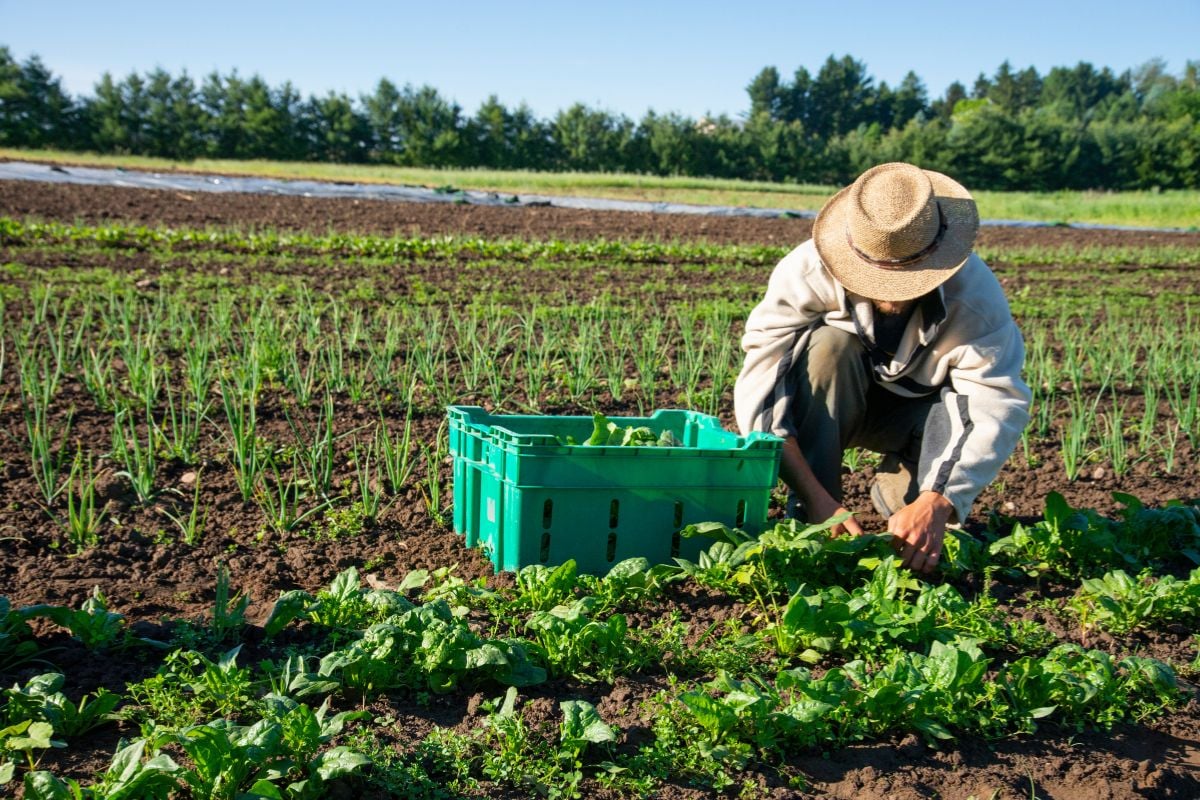
The Importance of Environmentally Sustainable Agricultural Practices
Environmentally sustainable agricultural practices play a crucial role in ensuring the long-term health of our planet and its inhabitants. As the global population continues to grow, the demand for food production increases, putting pressure on our natural resources and ecosystems. By adopting sustainable farming methods, we can mitigate these challenges and create a more resilient agricultural system.
Benefits of Sustainable Agriculture
Sustainable agriculture focuses on preserving the environment, promoting biodiversity, and maintaining soil health. By avoiding harmful chemicals and pesticides, farmers can protect water sources, reduce pollution, and safeguard wildlife habitats. Additionally, sustainable practices help to combat climate change by sequestering carbon in the soil and reducing greenhouse gas emissions.
Key Practices for Sustainability
There are several key practices that farmers can implement to promote sustainability in agriculture:
- Organic Farming: Avoiding synthetic chemicals and fertilisers in favour of natural alternatives.
- Conservation Tillage: Minimising soil disturbance to prevent erosion and maintain soil structure.
- Crop Rotation: Rotating crops to improve soil fertility and reduce pest pressure.
- Water Management: Implementing efficient irrigation systems to conserve water resources.
- Biodiversity Conservation: Creating habitats for beneficial insects and wildlife to promote ecosystem balance.
The Future of Agriculture
As we face mounting environmental challenges such as climate change and biodiversity loss, the adoption of environmentally sustainable agricultural practices is more important than ever. By prioritising sustainability in farming operations, we can ensure food security for future generations while protecting the planet for all living beings.
Exploring Key Questions on Environmentally Sustainable Agricultural Practices
- What are sustainable agriculture practices?
- What is the most sustainable agricultural practice?
- What are the 5 P’s of sustainable agriculture?
- What are the sustainable methods of agriculture in India?
- Which is the best sustainable agriculture technique?
- Which is a sustainable practice?
- What are the 10 principles of sustainable agriculture?
- What are the 3 elements of a sustainable agriculture approach?
What are sustainable agriculture practices?
Sustainable agriculture practices encompass a range of methods and techniques that aim to minimise environmental impact, preserve natural resources, and promote long-term viability in farming. These practices focus on maintaining soil health, conserving water, reducing chemical inputs, and fostering biodiversity. By integrating sustainable approaches such as organic farming, crop rotation, conservation tillage, and agroforestry, farmers can enhance ecosystem resilience, mitigate climate change effects, and ensure the sustainability of food production for future generations. Embracing sustainable agriculture practices is essential for creating a more harmonious relationship between agriculture and the environment.
What is the most sustainable agricultural practice?
When considering the most sustainable agricultural practice, it is important to recognise that sustainability is a multifaceted concept that encompasses various methods and approaches. Organic farming is often regarded as one of the most sustainable practices due to its emphasis on avoiding synthetic chemicals and promoting natural soil health. By prioritising biodiversity, reducing environmental impact, and maintaining soil fertility, organic farming offers a holistic approach to sustainable agriculture. However, it is essential to acknowledge that different contexts and environments may require tailored solutions, and a combination of practices such as crop rotation, conservation tillage, and water management can collectively contribute to a more sustainable agricultural system.
What are the 5 P’s of sustainable agriculture?
The 5 P’s of sustainable agriculture are often referred to as the key principles that guide environmentally conscious farming practices. These principles include People, Planet, Profit, Production, and Partnership. People emphasises the importance of supporting communities and ensuring social equity within the agricultural sector. Planet focuses on protecting natural resources and promoting biodiversity. Profit highlights the economic viability of sustainable farming methods. Production encourages efficient and productive food systems while minimising waste. Partnership underscores the collaboration between farmers, researchers, policymakers, and consumers to drive positive change in agriculture towards a more sustainable future. By adhering to these principles, farmers can cultivate a holistic approach that benefits both the environment and society.
What are the sustainable methods of agriculture in India?
In India, several sustainable methods of agriculture are being embraced to promote environmental conservation and enhance agricultural productivity. Practices such as organic farming, vermicomposting, crop diversification, and agroforestry are gaining popularity among farmers. Organic farming eliminates the use of synthetic chemicals and promotes natural fertilisers and pest control methods. Vermicomposting involves using earthworms to decompose organic waste into nutrient-rich compost. Crop diversification helps improve soil fertility and resilience to pests and diseases by rotating different crops. Agroforestry integrates trees with crops to enhance biodiversity, improve soil health, and provide additional sources of income for farmers. These sustainable agricultural practices in India not only contribute to food security but also protect the environment for future generations.
Which is the best sustainable agriculture technique?
When considering the best sustainable agriculture technique, it is important to recognise that there is no one-size-fits-all solution. Sustainable agriculture encompasses a range of practices tailored to specific environmental conditions, crop types, and farming goals. The effectiveness of a sustainable technique depends on factors such as soil quality, climate, water availability, and local biodiversity. Farmers may choose from a variety of methods, including organic farming, conservation tillage, agroforestry, integrated pest management, and precision agriculture. Ultimately, the best sustainable agriculture technique is one that is well-suited to the unique needs of the farm while prioritising environmental stewardship and long-term viability.
Which is a sustainable practice?
A sustainable practice in agriculture refers to any method or technique that aims to minimise environmental impact, preserve natural resources, and maintain the long-term health of ecosystems. This can include practices such as organic farming, crop rotation, conservation tillage, integrated pest management, and water-efficient irrigation systems. By adopting sustainable practices, farmers can reduce their reliance on harmful chemicals, protect soil fertility, promote biodiversity, and mitigate the effects of climate change. Ultimately, sustainable agriculture plays a vital role in ensuring the resilience and sustainability of our food production systems for future generations.
What are the 10 principles of sustainable agriculture?
When considering the principles of sustainable agriculture, it is essential to focus on practices that promote environmental stewardship, economic viability, and social responsibility. The 10 key principles of sustainable agriculture encompass aspects such as soil health preservation, water conservation, biodiversity enhancement, and community engagement. By prioritising organic farming methods, crop rotation, integrated pest management, and resource efficiency, farmers can contribute to a more sustainable food production system. Embracing these principles not only ensures the long-term health of agricultural ecosystems but also fosters resilience in the face of environmental challenges and promotes a harmonious relationship between agriculture and nature.
What are the 3 elements of a sustainable agriculture approach?
In environmentally sustainable agricultural practices, a holistic approach is essential to promote long-term viability and environmental stewardship. The three key elements of a sustainable agriculture approach include promoting soil health through practices such as crop rotation and minimal tillage to preserve soil structure and fertility, conserving water resources through efficient irrigation systems and water management strategies, and fostering biodiversity by creating habitats for beneficial insects and wildlife to support ecosystem balance. By integrating these elements into farming practices, farmers can enhance resilience, reduce environmental impact, and contribute to a more sustainable food production system for the future.