
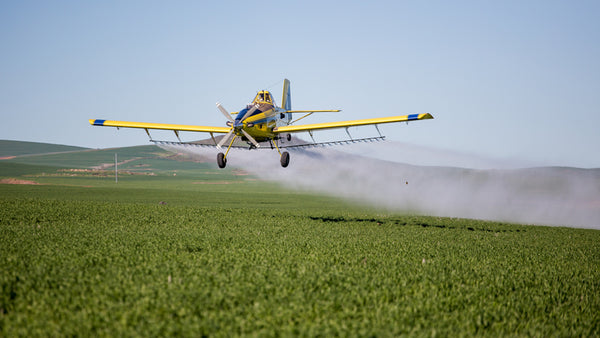
Crop Spraying Courses: Enhancing Agricultural Practices
As agriculture continues to evolve with technological advancements, crop spraying has become an essential practice for modern farmers. Crop spraying, also known as pesticide application, involves the controlled application of chemicals to crops to protect them from pests and diseases.
Recognising the importance of proper crop spraying techniques, many agricultural institutions and training centres now offer specialised courses in crop spraying. These courses are designed to equip farmers and agricultural workers with the knowledge and skills needed to effectively apply pesticides while minimising environmental impact.
Benefits of Crop Spraying Courses
Participating in crop spraying courses can bring numerous benefits to individuals involved in agriculture:
- Improved Efficiency: By learning the correct techniques for crop spraying, farmers can increase the efficiency of pesticide application, leading to better pest control and higher crop yields.
- Environmental Protection: Proper training in crop spraying helps farmers reduce chemical drift and runoff, minimising the impact on surrounding ecosystems and wildlife.
- Safety Awareness: Crop spraying courses emphasise safety protocols and equipment handling, ensuring that farmers can protect themselves from potential health risks associated with pesticide exposure.
- Regulatory Compliance: Understanding legal requirements and regulations related to pesticide use is crucial for farmers. Crop spraying courses provide insight into compliance standards set by authorities.
Curriculum of Crop Spraying Courses
The curriculum of crop spraying courses typically covers a range of topics, including:
- Pesticide types and formulations
- Sprayer calibration and maintenance
- Pest identification and monitoring
- Safety precautions and protective gear
- Environmental considerations in pesticide application
- Laws and regulations governing pesticide use
These comprehensive courses aim to provide participants with a thorough understanding of crop spraying practices, enabling them to make informed decisions when applying pesticides on their crops.
In Conclusion
Crop spraying courses play a vital role in promoting sustainable agricultural practices by educating farmers on safe and effective pesticide application methods. By investing in training programmes that focus on crop spraying, individuals in the agricultural sector can enhance their skills, protect the environment, and improve overall farm productivity.
Essential FAQs on Crop Spraying Courses: Online Options, Qualifications, and Costs
- Can I do PA1 and PA6 online?
- What qualifications do you need to spray pesticides?
- How much is a spraying course?
- How much does a CPCS course cost?
Can I do PA1 and PA6 online?
For those considering crop spraying courses, a common query is whether PA1 (Safe Use of Pesticides) and PA6 (Handheld Applicators) certifications can be obtained online. While some training providers offer online modules for theoretical components of these certifications, practical assessments typically require in-person participation to ensure proper handling and application techniques are mastered. It is essential to check with accredited institutions or regulatory bodies to confirm the specific requirements for obtaining PA1 and PA6 certifications and whether any online options are available for certain aspects of the training.
What qualifications do you need to spray pesticides?
To spray pesticides, individuals typically need to hold a recognised qualification in pesticide application. The qualifications required may vary depending on the country or region, but they often include certifications such as a PA1 (Foundation Module) and PA6 (Handheld Applicators) for handheld spraying equipment. These qualifications demonstrate that the individual has undergone training in pesticide handling, application techniques, safety measures, and environmental considerations. Obtaining the necessary qualifications ensures that pesticide application is carried out responsibly and in compliance with legal regulations to protect both the crops and the environment.
How much is a spraying course?
When it comes to the cost of a spraying course, it can vary depending on the institution or training provider offering the programme. Factors such as course duration, level of expertise covered, practical training components, and additional resources provided may influence the overall price of the course. It is advisable for individuals interested in enrolling in a spraying course to research different options, compare prices, and consider the value offered by each programme to make an informed decision based on their specific learning needs and budget constraints.
How much does a CPCS course cost?
The cost of a Crop Spraying Courses (CPCS) can vary depending on the training provider, course duration, and the level of certification offered. Generally, CPCS courses can range from £200 to £800 or more. It is essential to research different training providers to compare course fees and ensure that the chosen course meets your specific needs and requirements. Additionally, some institutions may offer financial assistance or funding options to support individuals looking to enrol in CPCS courses.