
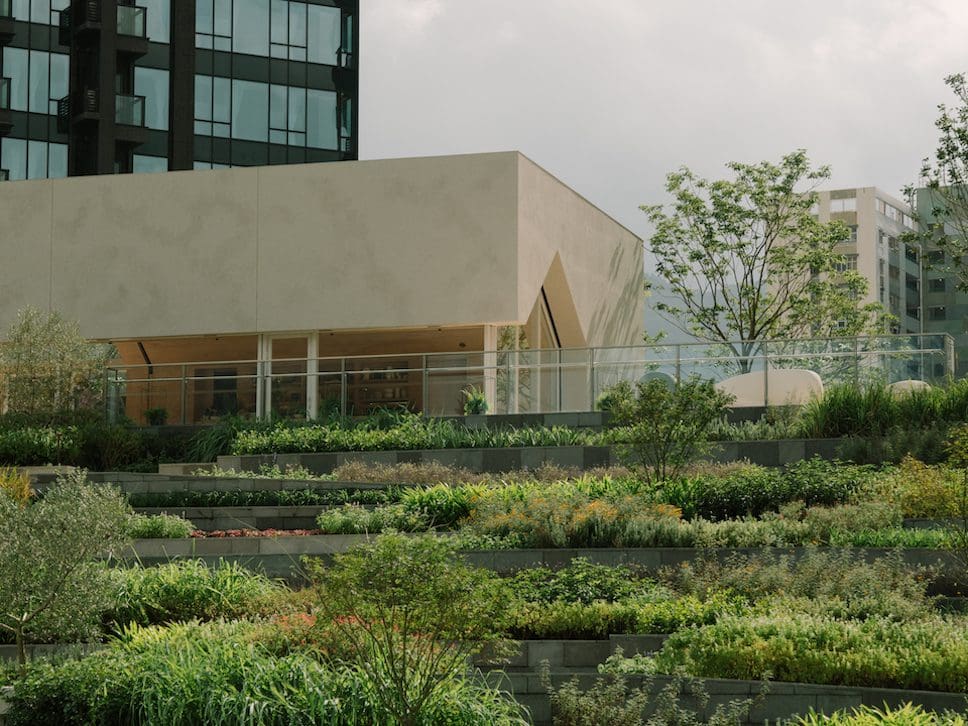
The Rise of Pocket Green Urban Farms
Urban farming has been gaining popularity in recent years as more people seek sustainable and locally sourced food options. One innovative trend within urban farming is the concept of pocket green urban farms.
Unlike traditional large-scale farms, pocket green urban farms are small-scale agricultural spaces integrated into urban environments. These compact farms utilise vertical gardening, hydroponics, and other space-efficient techniques to grow a variety of crops in limited spaces.
One of the key advantages of pocket green urban farms is their ability to bring fresh produce closer to city dwellers. By setting up these mini-farms in unused corners, rooftops, or even balconies, urban residents can access locally grown fruits, vegetables, and herbs without the need for long-distance transportation.
Furthermore, pocket green urban farms contribute to a greener and more sustainable cityscape. They help reduce carbon emissions associated with transporting food from rural areas to cities and promote a sense of community by engaging residents in the cultivation process.
As the demand for fresh and sustainable produce continues to rise, pocket green urban farms offer an innovative solution to urban food production challenges. These miniature agricultural spaces not only provide nutritious food but also serve as educational hubs for learning about gardening and environmental stewardship.
In conclusion, pocket green urban farms represent a promising trend in the realm of urban agriculture. By blending innovation with sustainability, these small-scale farming initiatives are reshaping our cities into greener and healthier environments for all.
Exploring Pocket Green Urban Farms: Your Guide to Understanding and Supporting City Farming
- What is a pocket green urban farm?
- How does a pocket green urban farm differ from traditional farms?
- What crops can be grown in a pocket green urban farm?
- Where are pocket green urban farms typically located in cities?
- What are the benefits of having a pocket green urban farm?
- How much space is needed to set up a pocket green urban farm?
- Are there any special techniques used in pocket green urban farming?
- Can anyone start their own pocket green urban farm?
- How can I get involved with or support pocket green urban farming initiatives?
What is a pocket green urban farm?
A pocket green urban farm refers to a small-scale agricultural space integrated within urban settings, using innovative techniques such as vertical gardening and hydroponics to grow a variety of crops in limited spaces. These compact farms are typically set up in unused corners, rooftops, or balconies, bringing fresh produce closer to city residents. By utilising space-efficient methods, pocket green urban farms contribute to sustainable food production in urban areas, promoting local sourcing and reducing the environmental impact of long-distance transportation. This concept not only provides access to fresh and nutritious food but also fosters community engagement and environmental awareness within cities.
How does a pocket green urban farm differ from traditional farms?
In the realm of urban agriculture, a pocket green urban farm stands out from traditional farms in several key ways. Unlike expansive rural farms, pocket green urban farms are compact and designed to fit within city environments, making innovative use of limited spaces such as rooftops, balconies, or unused corners. These mini-farms employ vertical gardening techniques, hydroponics, and other space-efficient methods to grow a variety of crops in urban settings. Additionally, pocket green urban farms bring fresh produce closer to city dwellers, reducing the need for long-distance transportation and promoting local food sustainability. By integrating agriculture into the fabric of cities, these miniature farms not only provide access to nutritious food but also contribute to greener and more sustainable urban landscapes.
What crops can be grown in a pocket green urban farm?
In a pocket green urban farm, a variety of crops can be grown using space-efficient techniques such as vertical gardening and hydroponics. Common crops that thrive in these compact urban settings include leafy greens like lettuce, spinach, and kale, herbs such as basil, mint, and cilantro, as well as smaller vegetables like cherry tomatoes, radishes, and peppers. These crops are well-suited to the limited space available in urban environments and can be harvested regularly to provide fresh and nutritious produce for city residents. By carefully selecting crops that are suitable for small-scale cultivation, pocket green urban farms can maximise their productivity and contribute to a sustainable food system within cities.
Where are pocket green urban farms typically located in cities?
Pocket green urban farms are typically located in various spaces within cities that are underutilised or have limited access to traditional agricultural land. These mini-farms can be found on rooftops, balconies, unused parking lots, community gardens, and even indoor spaces such as abandoned warehouses or shipping containers. The versatility of pocket green urban farms allows them to thrive in urban environments where space is at a premium, bringing sustainable agriculture closer to city residents while utilising innovative growing techniques to maximise productivity in limited areas.
What are the benefits of having a pocket green urban farm?
Having a pocket green urban farm offers a multitude of benefits. Firstly, it provides easy access to fresh and locally grown produce, reducing the need for long transportation distances and promoting a healthier diet. Additionally, these compact farms contribute to sustainability by minimising carbon emissions associated with food transportation. Pocket green urban farms also enhance urban spaces, adding greenery and fostering a sense of community engagement. Furthermore, they serve as educational platforms for learning about gardening and sustainable agricultural practices, empowering individuals to connect with their food sources and the environment. Overall, the benefits of having a pocket green urban farm extend beyond just providing fresh produce, encompassing environmental, social, and educational advantages for urban communities.
How much space is needed to set up a pocket green urban farm?
Setting up a pocket green urban farm typically requires minimal space compared to traditional farming methods. The exact amount of space needed can vary depending on factors such as the chosen crops, growing techniques, and available resources. In general, pocket green urban farms are designed to be compact and efficient, making use of vertical gardening, hydroponics, and other space-saving methods to maximise productivity in limited areas. Whether it’s a small balcony, rooftop terrace, or unused corner in a community garden, individuals can tailor their pocket green urban farm to fit the available space while still enjoying the benefits of fresh and sustainable produce right in the heart of the city.
Are there any special techniques used in pocket green urban farming?
In pocket green urban farming, several special techniques are employed to maximise crop yields in limited urban spaces. These techniques include vertical gardening, hydroponics, and aquaponics, which enable plants to grow vertically or without soil, conserving space and water. Additionally, the use of smart irrigation systems and LED grow lights helps optimise plant growth and energy efficiency in indoor farming environments. By utilising these innovative methods, pocket green urban farms can sustainably produce a variety of fresh fruits, vegetables, and herbs right in the heart of the city.
Can anyone start their own pocket green urban farm?
Starting your own pocket green urban farm is an exciting and accessible venture for individuals passionate about sustainable agriculture. With the right knowledge, resources, and creativity, anyone can embark on this rewarding journey. Whether you have a small balcony, rooftop space, or even a sunny windowsill, there are various techniques and tools available to help you cultivate a thriving mini-farm in an urban setting. By learning about vertical gardening, hydroponics, and other space-efficient farming methods, aspiring urban farmers can turn their spaces into green oases that not only provide fresh produce but also contribute to a more sustainable and environmentally friendly lifestyle.
How can I get involved with or support pocket green urban farming initiatives?
To get involved with or support pocket green urban farming initiatives, there are several ways you can contribute to this sustainable movement. One option is to volunteer your time at local urban farms, helping with planting, harvesting, or maintenance tasks. You can also participate in community gardening events or workshops to learn more about urban farming practices and techniques. Another way to support pocket green urban farming is by purchasing produce from these farms or attending farmers’ markets that feature their products. Additionally, spreading awareness about the benefits of urban agriculture and advocating for policies that promote sustainable food production in cities can also make a meaningful impact on the growth of pocket green urban farming initiatives.