
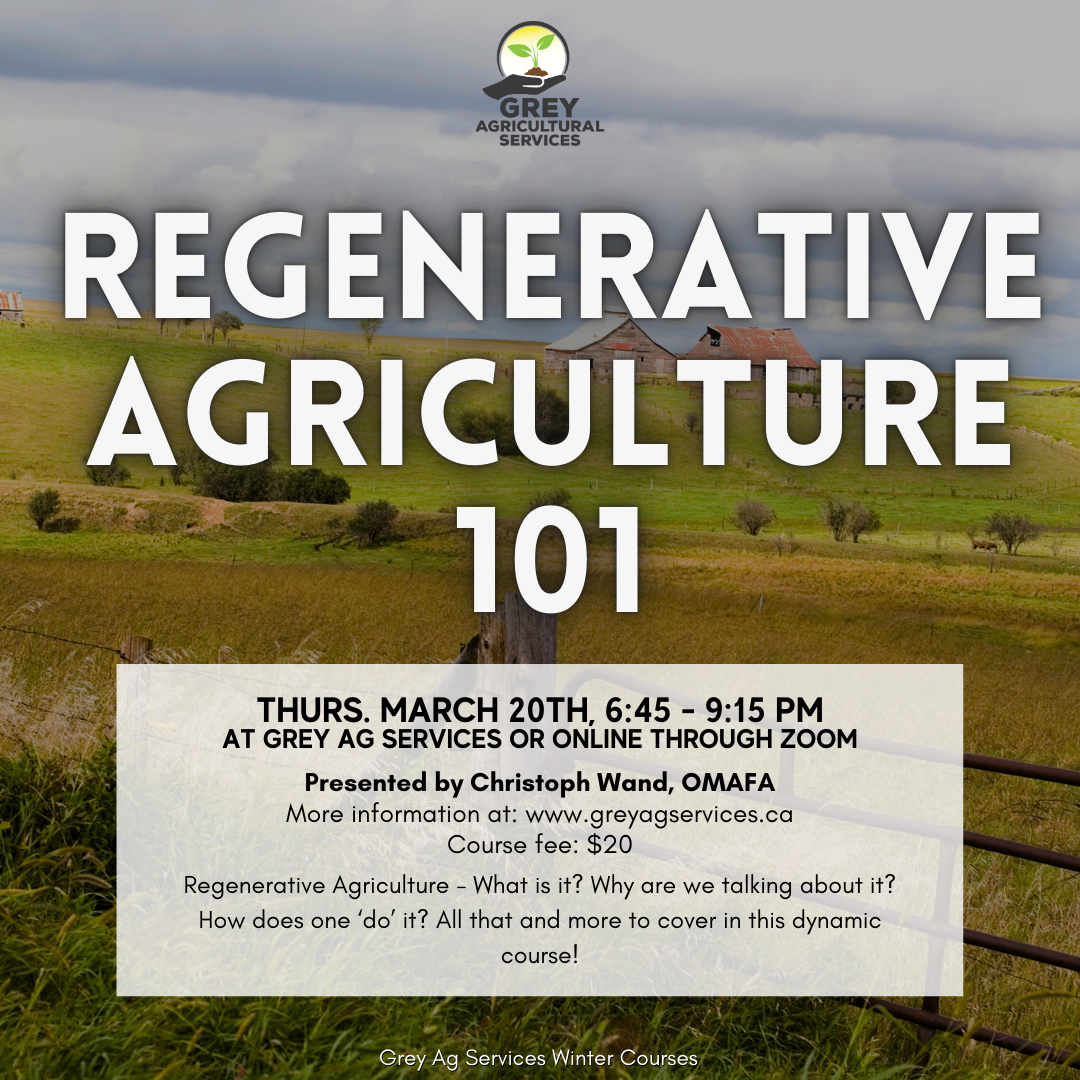
The Benefits of Taking a Regenerative Agriculture Online Course
Regenerative agriculture is gaining popularity as a sustainable farming practice that aims to restore and enhance the health of the soil, ecosystem, and community. If you are passionate about agriculture and environmental conservation, enrolling in a regenerative agriculture online course can be a valuable opportunity to deepen your knowledge and skills.
What is Regenerative Agriculture?
Regenerative agriculture goes beyond sustainable farming by focusing on improving the overall health of the land. It involves practices such as minimal tillage, cover cropping, crop rotation, and holistic grazing to build soil fertility, sequester carbon, and promote biodiversity. By mimicking natural ecosystems, regenerative agriculture aims to create resilient farming systems that benefit both the environment and farmers.
Benefits of an Online Course
Enrolling in an online course on regenerative agriculture offers several advantages:
- Flexibility: Online courses allow you to study at your own pace and schedule, making it convenient for working professionals or individuals with busy lifestyles.
- Access to Expertise: You will have access to experienced instructors and experts in regenerative agriculture who can provide valuable insights and guidance.
- Diverse Learning Resources: Online courses often include video lectures, reading materials, quizzes, and interactive assignments to enhance your learning experience.
- Networking Opportunities: Joining an online course connects you with like-minded individuals from around the world who share your passion for regenerative agriculture.
- Certification: Completing an online course may earn you a certificate or qualification that can enhance your credibility in the field of regenerative agriculture.
Take the Next Step
If you are eager to learn more about regenerative agriculture and contribute to sustainable farming practices, consider enrolling in an online course today. By investing in your education, you can play a vital role in shaping the future of agriculture towards a more environmentally conscious and resilient path.
Essential FAQs for Enrolling in a Regenerative Agriculture Online Course
- What is regenerative agriculture and how does it differ from traditional farming?
- Are there any prerequisites for enrolling in a regenerative agriculture online course?
- How long does a typical regenerative agriculture online course take to complete?
- What topics are covered in a regenerative agriculture online course?
- Will I receive a certificate upon completing the course?
- Can I access the course materials after completing the programme?
- Is there any hands-on training or practical component included in an online course?
- How can I apply what I’ve learned in an online course to real-world farming practices?
What is regenerative agriculture and how does it differ from traditional farming?
Regenerative agriculture is a holistic approach to farming that focuses on restoring and enhancing the health of the soil, ecosystem, and community. Unlike traditional farming practices that often rely on chemical inputs and intensive tilling, regenerative agriculture emphasises sustainable techniques such as minimal tillage, cover cropping, crop rotation, and holistic grazing. By mimicking natural ecosystems and working with nature rather than against it, regenerative agriculture aims to improve soil fertility, sequester carbon, promote biodiversity, and create resilient farming systems. This sustainable approach not only benefits the environment but also helps farmers build healthier soils and produce nutritious crops in a way that supports long-term agricultural viability.
Are there any prerequisites for enrolling in a regenerative agriculture online course?
Most regenerative agriculture online courses do not have strict prerequisites for enrolment, making them accessible to a wide range of individuals interested in sustainable farming practices. While some courses may recommend a basic understanding of agriculture or environmental science, they are designed to cater to beginners as well as experienced farmers looking to expand their knowledge. By offering comprehensive learning materials and support from instructors, regenerative agriculture online courses welcome participants from diverse backgrounds who share a common interest in promoting eco-friendly farming methods and restoring the health of the land.
How long does a typical regenerative agriculture online course take to complete?
Typically, the duration of a regenerative agriculture online course can vary depending on the course structure and intensity. While some courses may be completed in a matter of weeks with a few hours of study per week, others may span several months with more in-depth content and assignments. It is advisable to check the course details and syllabus to get a clear understanding of the time commitment required. Ultimately, the length of a regenerative agriculture online course is designed to provide participants with a comprehensive learning experience that equips them with the knowledge and skills needed to implement regenerative practices effectively.
What topics are covered in a regenerative agriculture online course?
In a regenerative agriculture online course, you can expect to explore a wide range of topics that encompass sustainable farming practices and ecosystem restoration. Some common themes covered include soil health management, biodiversity conservation, water resource management, agroforestry techniques, holistic grazing principles, and carbon sequestration strategies. Additionally, courses may delve into the importance of community engagement, ethical considerations in agriculture, and the integration of traditional knowledge with modern agricultural practices. By addressing these diverse subjects, a regenerative agriculture online course equips learners with a comprehensive understanding of how to cultivate resilient farming systems that benefit both the environment and society.
Will I receive a certificate upon completing the course?
Upon successfully completing the regenerative agriculture online course, participants can typically expect to receive a certificate of completion. This certificate serves as recognition of your dedication and achievement in acquiring knowledge and skills related to regenerative agriculture practices. It can be a valuable addition to your credentials, demonstrating your commitment to sustainable farming and environmental conservation. Certificates from reputable courses can also enhance your credibility within the agricultural community and showcase your expertise in regenerative agriculture.
Can I access the course materials after completing the programme?
In a regenerative agriculture online course, learners often wonder whether they can access the course materials after completing the programme. Many online courses offer continued access to course materials even after completion, allowing participants to revisit lessons, reference resources, and reinforce their learning. This post-programme access can be beneficial for ongoing learning, review, and application of regenerative agriculture principles in real-world farming practices. It ensures that learners have the resources they need to continue their journey towards sustainable and regenerative farming long after the course has ended.
Is there any hands-on training or practical component included in an online course?
Many regenerative agriculture online courses incorporate hands-on training and practical components to provide students with a well-rounded learning experience. While the majority of the course content may be delivered online through video lectures, readings, and interactive assignments, some courses also offer opportunities for students to apply their knowledge in real-world settings. This could include virtual field trips, case studies, simulation exercises, or practical projects that allow students to implement regenerative agriculture practices in a hands-on manner. By blending theoretical knowledge with practical application, online courses ensure that students gain valuable skills and insights that they can directly apply to their own farming practices.
How can I apply what I’ve learned in an online course to real-world farming practices?
Applying the knowledge gained from a regenerative agriculture online course to real-world farming practices is a crucial step towards implementing sustainable and environmentally friendly techniques. By translating theory into action, farmers can begin to adopt regenerative practices such as cover cropping, rotational grazing, and soil health management on their own land. Practical application involves assessing the specific needs of your farm, experimenting with different methods, and observing the impact on soil health and biodiversity. By integrating what you’ve learned into your farming operations, you can contribute to building resilient agricultural systems that benefit both the environment and your livelihood.