
The Importance of Sustainable Water Management in Agriculture
Water is a precious resource vital for agricultural production. With the increasing demands on water supply due to population growth and climate change, it is essential to adopt sustainable practices to manage water resources effectively in agriculture.
Challenges Faced
Agriculture accounts for a significant portion of global water usage, leading to competition with other sectors and environmental concerns such as water scarcity and pollution. Mismanagement of water resources can have detrimental effects on ecosystems, crop yields, and food security.
Sustainable Solutions
Implementing sustainable water management practices is crucial for the long-term viability of agriculture. This includes:
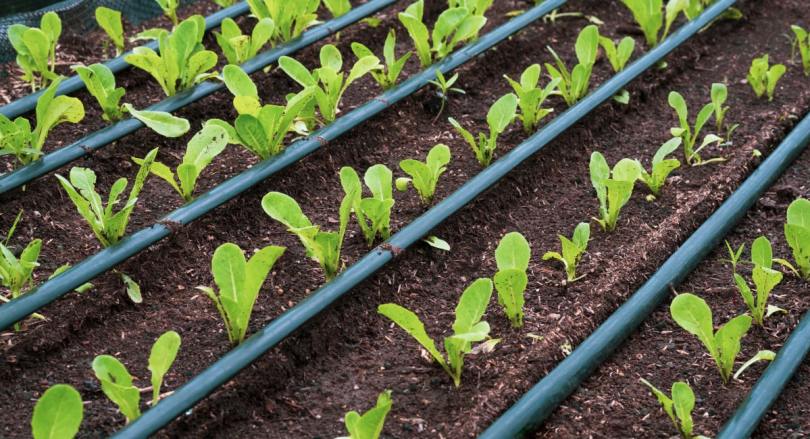
- Irrigation Efficiency: Using modern irrigation techniques like drip irrigation and precision farming to reduce water wastage and improve crop yield.
- Water Recycling: Treating and reusing wastewater for irrigation purposes to minimise freshwater consumption.
- Crop Selection: Choosing drought-resistant crops that require less water input without compromising productivity.
- Soil Conservation: Employing soil conservation methods such as mulching and cover cropping to enhance water retention in the soil.
- Water Harvesting: Collecting rainwater through harvesting systems for agricultural use during dry periods.
The Benefits
By adopting sustainable water management practices, farmers can achieve several benefits:
- Increased Resilience: Sustainable practices help farmers adapt to changing climatic conditions and mitigate the impacts of droughts or floods.
- Cost Savings: Efficient use of water resources reduces operational costs associated with irrigation and boosts overall farm profitability.
- Environmental Protection: Preserving water quality and quantity safeguards ecosystems, biodiversity, and downstream users who rely on clean water sources.
- Farm Sustainability: Long-term sustainability ensures that future generations can continue farming without depleting essential resources like freshwater.
In Conclusion
Sustainable management of water resources in agriculture is not only necessary but also beneficial for farmers, communities, and the environment. By embracing innovative techniques and responsible practices, we can ensure a resilient agricultural sector that thrives while safeguarding our precious water supplies for generations to come.
Key Questions on Sustainable Water Management in Agriculture: Importance, Challenges, and Solutions
- What is sustainable water management in agriculture?
- Why is sustainable water management important for agriculture?
- What are the challenges faced in managing water resources in agriculture sustainably?
- How can farmers improve irrigation efficiency to conserve water?
- What are the benefits of adopting sustainable water management practices in agriculture?
- Are there government policies or initiatives supporting sustainable water management in agricultural practices?
What is sustainable water management in agriculture?
Sustainable water management in agriculture refers to the implementation of practices and strategies that aim to optimise the use of water resources in a way that meets current agricultural needs without compromising the ability of future generations to meet their own needs. It involves adopting efficient irrigation methods, recycling and reusing water, selecting appropriate crops, conserving soil moisture, and harvesting rainwater to minimise water wastage and environmental impact. By prioritising sustainability in water management practices, farmers can enhance resilience to climate change, protect ecosystems, reduce costs, and ensure long-term viability of agricultural activities while preserving valuable water resources for future generations.
Why is sustainable water management important for agriculture?
Sustainable water management is crucial for agriculture due to its profound impact on the environment, food security, and long-term viability of farming practices. By implementing sustainable water management techniques, such as efficient irrigation methods, water recycling, and soil conservation measures, farmers can optimise water use, reduce wastage, and enhance crop productivity. This not only helps in mitigating the effects of water scarcity and climate change but also promotes environmental sustainability by preserving water quality and ecosystems. Ultimately, sustainable water management ensures that agriculture remains resilient in the face of challenges while safeguarding precious water resources for future generations.
What are the challenges faced in managing water resources in agriculture sustainably?
In sustainable management of water resources in agriculture, several challenges are faced. One significant challenge is the increasing competition for water resources among various sectors, leading to potential conflicts and water scarcity issues. Additionally, inefficient irrigation practices and over-extraction of groundwater can deplete water sources, affecting both agricultural productivity and ecosystem health. Pollution from agricultural runoff further exacerbates water quality concerns, impacting not only farming operations but also downstream users and aquatic ecosystems. Addressing these challenges requires a holistic approach that integrates efficient water use practices, conservation measures, and stakeholder collaboration to ensure the long-term sustainability of water resources in agriculture.
How can farmers improve irrigation efficiency to conserve water?
Farmers can enhance irrigation efficiency and conserve water by adopting various sustainable practices. One effective method is the implementation of modern irrigation techniques such as drip irrigation and precision farming, which deliver water directly to the roots of plants, reducing wastage from evaporation and runoff. Additionally, farmers can utilise soil moisture sensors to monitor the water needs of crops accurately, ensuring that irrigation is applied only when necessary. By scheduling irrigation based on plant requirements and using water-saving technologies, farmers can significantly improve efficiency and conserve precious water resources for sustainable agricultural production.
What are the benefits of adopting sustainable water management practices in agriculture?
Adopting sustainable water management practices in agriculture offers a multitude of benefits. By implementing efficient irrigation techniques, such as drip irrigation and precision farming, farmers can reduce water wastage and enhance crop yields. Recycling wastewater for irrigation purposes not only conserves freshwater resources but also minimises environmental pollution. Selecting drought-resistant crops and employing soil conservation methods contribute to water conservation and soil health. Additionally, harvesting rainwater and using it during dry periods helps mitigate the impact of water scarcity. Overall, embracing sustainable water management practices in agriculture leads to increased resilience to climate change, cost savings, environmental protection, and long-term farm sustainability.
Are there government policies or initiatives supporting sustainable water management in agricultural practices?
Government policies and initiatives play a crucial role in supporting sustainable water management in agricultural practices. Many countries have implemented regulations and programmes aimed at promoting efficient water use, reducing water pollution, and preserving water resources for future generations. These policies often include incentives for farmers to adopt water-saving technologies, implement conservation practices, and adhere to sustainable irrigation methods. By aligning agricultural practices with government initiatives, farmers can contribute to the overall goal of ensuring long-term water security and environmental sustainability in agriculture.